On my walk today I passed a black wheelie bin with the number 57 painted boldly across it in white—thick strokes, the sort of handwriting that seems to speak in warning: keep off, or else. What else amounts to in older age I am never entirely sure; as a child it usually implied some immediate threat of violence, vague but convincing enough to be obeyed.
But I digress. The number caught me because I was born in a house numbered 57: a small two-up, two-down terrace on Webster Street, a street that no longer exists. We went to watch it being demolished, sometime around 1968. I remember holding my father’s hand while the great iron ball at the end of a crane swung with careless authority, striking the buildings until they opened in heavy blooms of dust. Rooms we had occupied surrendered one by one. Wallpaper from walls beside which I had played peeled briefly into view before collapsing into heaps of brick and plaster. Men in overalls, boots, hard hats, faces greyed with dirt, gestured upward to the crane driver, directing where the next blow should fall.
Something died for me that day, though I have never fully managed to name it. Even now I struggle to understand the feeling. Perhaps every ending contains a small death and asks for its own measure of grief. Perhaps that is all it was. Or perhaps my mind still arranges these things like an old Rock Hudson film—life once lived in rich colour, but memory projected back in black and white. Certainly, there is no colour in that scene when it returns.
Yet I can still walk through 57 Webster Street in memory with remarkable precision. The stone step before the front door. The dark green wood, the dull black fittings worn by years of touch. Inside, the staircase immediately ahead, and the walls lined with discoloured woodchip wallpaper, curling at the top as though attempting escape. The front room held an open fire, a settee, a single chair, collapsing leaf table and chairs, small wardrobe—nothing remarkable, yet complete in itself.
Beyond that, the kitchen: a large Belfast sing, drawers so badly fitted they required a kind of ritual wrestling before surrendering, and a gas cooker that permanently smelt faintly of escape gas and answered every lit match with a sharp explosion of flame. I still remember watching my parents strike the match, ignite the burner, then instinctively pull their hand away with a curse before calm returned, as though this small domestic violence belonged to the accepted order of things.
Outside was the enclosed yard: the toilet block, coal store, and wash house where a twin-tub machine stood among bottles of chemicals kept firmly out of reach. A tin bath hung from a hook on the wall, waiting its turn. Above, the washing line stretched across the yard with its wooden prop holding the weight of damp sheets against the sky.
Upstairs there were two rooms only, held tightly beneath the roof as though the house itself had little more space to give. In my parents’ room their bed took most of the floor, with my own bed placed at its foot beneath a wood-framed window, leaving barely enough room to edge sideways between the two. In winter the glass gathered cold so completely it felt as though the night itself had leaned against it.
Beside it was the doorway to my sisters’ box room, scarcely larger than the bed it contained, with only a small chest of drawers pressed in beside it, as though furniture and walls had negotiated terms and neither had much won.
A tall cupboard stood crooked in an alcove in my parents’ room, slightly leaning, its door reluctant on its hinges. That was where I hid whenever my father came looking for me after my latest act of upheaval or minor rebellion—holding my breath in the darkness, convinced the thin wood might somehow grant invisibility.
The old fireplace had long since been boarded over, surrendering whatever warmth it once offered, and in the far corner my mother’s dressing table sat awkwardly fitted into the remaining space: a large mirror at its centre, two small drawers either side, and two deeper drawers beneath, all carrying the faint, mixed scent of face powder, hairspray, and old wood.
As a child I would often sit before that mirror and stare at my own face for long stretches, studying it with quiet seriousness, trying somehow to imagine what age would do to it—what shape the years might carve, what kind of man might one day look back at me from the glass.
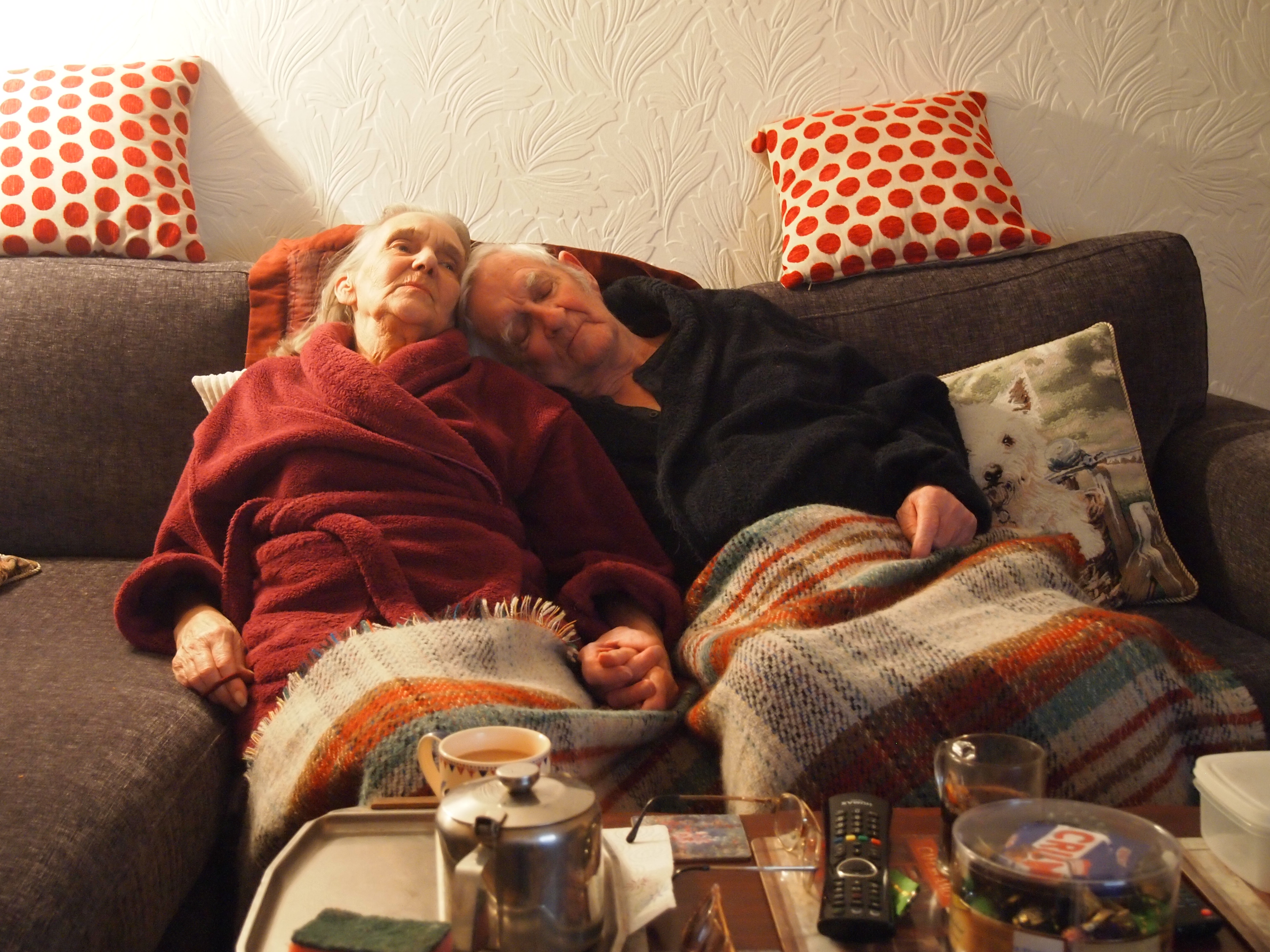
It seemed then an impossible distance, old age belonging to other people entirely. Yet now, when memory returns me to that room, I sometimes think the child looking forward and the man looking back are still measuring one another across the same mirror
 Irregular Frequencies