Tag Archives: 1960s

Public Nuisance – The Psychedelic Ghosts of ’69

The late 1960s was an era of kaleidoscopic shifts — psychedelia in full bloom, garage rock breaking through, and bands pushing the limits of sound as the world outside roiled with political unrest. It’s a period that’s been mythologised in countless films and books. But some stories remain in the margins, whispered rather than sung. One such tale belongs to Public Nuisance.

Formed in 1964, Public Nuisance began as a pop outfit, riding the same wave as countless garage hopefuls. By the decade’s close, they had sharpened their sound into a heavier, more psychedelic edge, sharing stages with the likes of Buffalo Springfield, The Doors, and the Grateful Dead. In late ’68 and early ’69, the band cut an album’s worth of material with heavyweight producer Terry Melcher.

Then history intervened. Melcher, having sub-let his Los Angeles home to Roman Polanski and Dennis Wilson of The Beach Boys, was caught in the dark aftershocks of the Manson Family murders. Polanski’s wife, Sharon Tate, was among the victims; Wilson had been socialising with Manson’s followers. The trauma drove Melcher into seclusion, shuttering his label and leaving Public Nuisance without a lifeline.

By 1970, the band was gone, their recordings shelved and unheard except by a handful of survivors from that drug-fuelled, free-falling era. It would take 35 years before their music finally surfaced — resurrected as Gotta Survive, a double-CD anthology that stands as both a time capsule and a testament to a band that might have been.

Public Nuisance never got their moment in the sun, but their belated debut still burns with the strange, vivid light of 1969 — a ghostly reminder that some of rock’s greatest stories are the ones that almost slipped away.
Going Back – Goldie

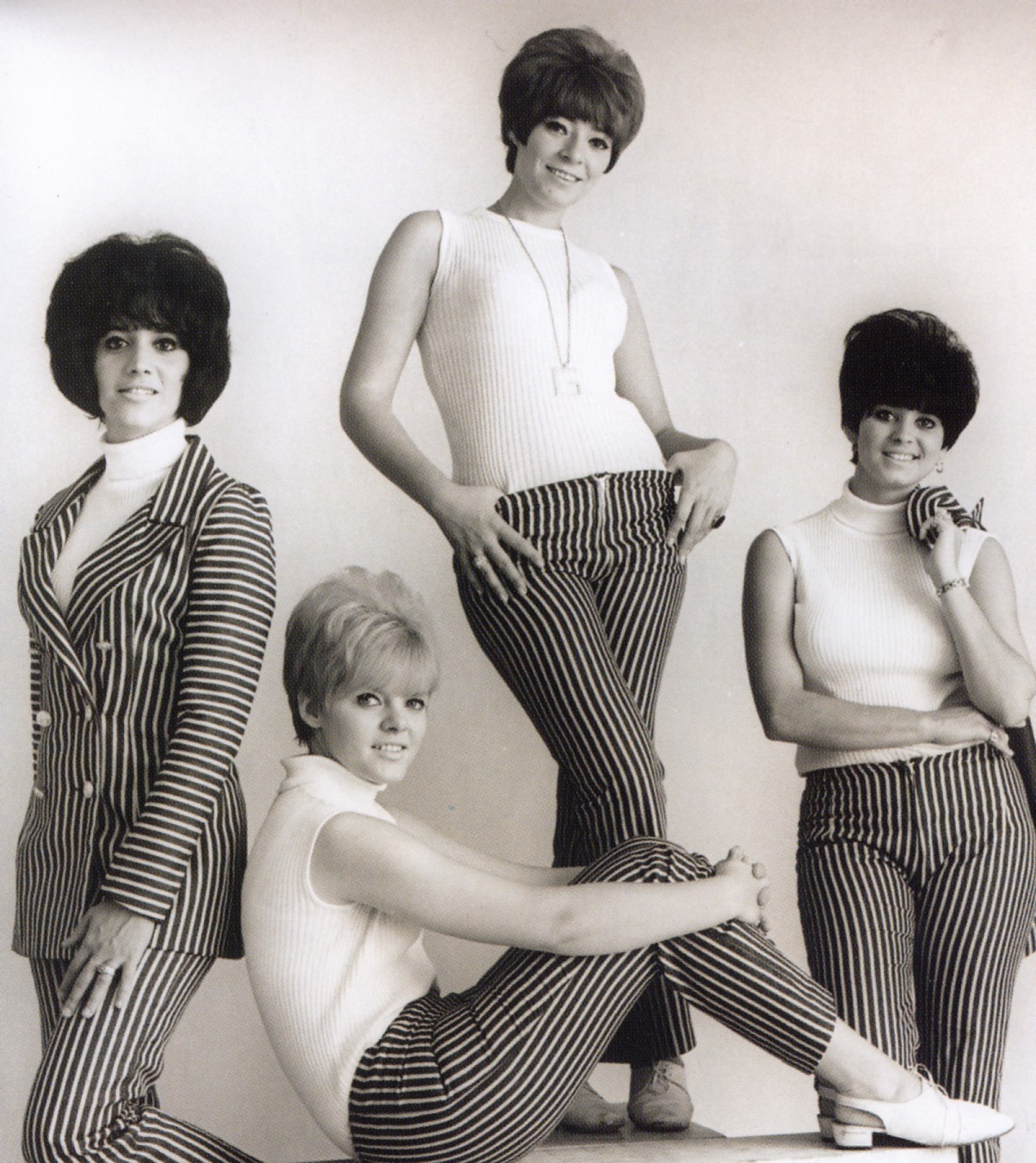
Goldie and the GingerbreadsWhilst all-female rock bands during the 1960s were generally being ignored Goldie & The Gingerbreads were signed to Decca Records in 1963. The band consisted of Genya Ravan (vocals, percussion and sax), Ginger Bianco, (drums, percussion), Margo Lewis, (organ, keyboards) and Carol MacDonald, (guitar, background vocals). In the UK the band went on to tour with The Rolling Stones, The Animals, The Beatles, Manfred Mann, The Yardbirds, The Hollies and The Kinks. The band became resident in the UK for a 2 year period and through their hard work and determination managed to secure a minor hit in 1965  “Can’t You Hear My Heartbeat”  that reached No. 25 on the singles charts. Although extensively touring North America the band failed to achieve similar success in the U.S. where they were generally viewed as a novelty. When “Can’t You Hear My Heartbeat” was released in the U.S. a recording of the same song by Herman’s Hermits was also released with great fanfare the impact of which fatally undermined the chances of them achieving a hit single in their native U.S.  A lesser known fact is that Goldie of Goldie & The Gingerbreads (Genya Ravan) was the first person to record the song “Going Back” which was written in 1966 by Gerry Goffin and Carole King. Over the years “Going Back” has been recorded by many artists, although it’s the Dusty Springfield version most people take as the authentic benchmark.

The Goldie version, which was produced by Andrew Loog Oldham (manager and producer of the Rolling Stones 1963-1967) was withdrawn a week after its release following disagreements between Gerry Goffin and Carole King over lyrical content. To give the lyrics of the song more potency lead singer Genya Ravan, born Genyusha Zelkovicz April 19th, 1940 in Poland, arrived in the U.S. during 1947, accompanied by her parents and one sister. They were the only family members to survive the onslaught of Hitler’s Holocaust.