Category Archives: Blog

Chewing the fat and talking bollocks.

Hey, hey, mama, said the way you move, gonna make you sweat, gonna make you groove.

I was 7 years old when Led Zeppelin were formed in London 1968. Consisting of guitarist Jimmy Page, singer Robert Plant, bassist and keyboardist John Paul Jones, and drummer John Bonham they were the quintessential English rock band who went on to personify the ultimate rock band worldwide. Many have sought to emulate, many have copied, but none have equalled.

A quick listen of the first two Queen albums released in 1973 and 1974 respectively exposes Freddie and the boys original blueprint. Brian May, whilst a highly gifted guitarist could never match the swagger and presence of Jimmy Page strutting his stuff across the stage. Queen went on to become in effect the worlds biggest cabaret act whilst  Led Zeppelin managed to remain solid as a rock even if later albums experimented with funk, disco, or African infused rhythms. They also retained a sense of humour. The final track on the Houses of the Holy album The Crunge with its tongue in cheek nod to James Brown for example.

Rock bands had become so ostentatious during the 1970s that a bedroom poster was the nearest I would came to seeing Led Zeppelin live. There remains the faintest of hopes that they may reform as they did for the one off concert in 2007, but I will not be holding my breath. Yet perversely it was  un-obtainability that seems to have drawn me (and 1000s of others) closer to their enigma. This was in total contrast to my affinity with Pink Floyd, which was shattered by the punk explosion in the UK (1977-78). I did not listen to a full Pink Floyd album for many years afterwards, although I did regain my senses in time for their Pulse Tour resulting in a quite amazing evening on 20th October 1994 at  Earls Court Exhibition Centre, London.

Led Zeppelin where also at the top of their game as both a recording and live band when the UK pop charts were dominated with the likes of the Bay City Rollers singing Bye, Bye, Baby, Pete Shelley, Love Me Love My Dog and even Laurel and Hardy charted with The Trail of the Lonesome Pine. It is clear to see now given the quality of pop music on one hand and the rock dinosaurs on the other that pop and rock music where driving into a car crash that would fuel the brief, but necessary punk period. Punk fizzled out like a damp torturous fart from a septic stomach with its ultimately boring and predictable uniform of wall to wall mohican haircuts, tartan trousers and biker jackets.

Whilst monster bands like Emerson, Lake and Palmer  were never to rediscover their self indulgent status after the punk period Led Zeppelin remained unscathed, which is pretty surprising given their 1979 weak album offering In Through the Out Door. Led Zeppelin had not performed live for two years since the death of Robert Plant’s son during the band’s 1977 North American tour, and they had not performed in the United Kingdom for four years.  It was the bands manager Peter Grant who decided that the band should perform at what is now renowned as the classic Knebworth concerts instead of embarking on a lengthy tour. A estimated 400,000 people attended the two Knebworth events on 4th and 11th August 1979.

The death of drummer John Bonham in 1980 all but brought the curtains down on the band. The reunion (with Phil Collins on drums) at Live Aid 1985 was such a disaster that they refused to allow it to be included on the Live Aid DVD release. Collins still remains sore about his Live Aid jam with Led Zeppelin 25 years after the gig and recently revealed that he almost walked off stage in mid-set. Collins and Chic drummer Tony Thompson had both apparently been drafted in as replacements for the late John Bonham.

Jimmy Page blamed the replacement drummers for not learning their parts, but Collins claims it was Page, Plant and Jones who ruined the experience.  “They weren’t very good and I was made to feel a little uncomfortable by the dribbling Jimmy Page.” Collins concluded recently.

O2 Arena, 2007.

It was an ignominious farewell and one that would dog any potential reunion for years to come. Fans were kept at bay by Jimmy Page’s remastering and repackaging releases of the bands historical material. That was until the Ahmet Ertegun Tribute Concert held in memory of the music executive at The O2 Arena, London on 10th December 2007. The band performed their first full-length concert since the death of Bonham in 1980 and in a fitting touch for this one-off reunion Bonham’s son Jason played drums during the set.

The 02 concert seems to have provided the band with an exorcism of the Live Aid debacle and unlike the Live Aid concert the 02 concert was formally released as both a CD and DVD under the title of Celebration Day, but for the fan it added nothing to what had gone before.

Led Zeppelin IV

The first Zeppelin album I recall buying was 1971s Led Zeppelin IV, although I would have purchased it later circa 1974-75. Over the course of a year I went on to purchase all their available albums, which was no mean feat in those days. Initially attracted to the album through the seminal track ‘Stairway to Heaven.’ which seemed to filter into my brain at night as I lay beneath my bed sheets, transistor radio pressed against ear hoping my parents would not detect the sound of the tuning radio. Inevitably they did and the said radio would be confiscated and so the cycle between generations would turn and grind around.

It was about this time I obtained my first cassette recorder, so with transistor radio perched safety I would hold the small cassette recorder microphone close to the transistor and tape the music. Building up c60 or c90 cassette tape to be traded at school with my fellow spotty, greasy haired and adolescent boys we were like desperate junkies.

What in eck do you do with this?

What in eck do you do with this?

This is how I  was  introduced to the likes of The Beatles, Hendrix, Dylan, The Doors and all those bands that did not penetrate the mainstream pop shows on TV. The cassette case, which housed the tape had self-made inserts normally constructed from a magazine photo that would somehow relate to the music contained on the tape. I still have a few cassettes from those days.
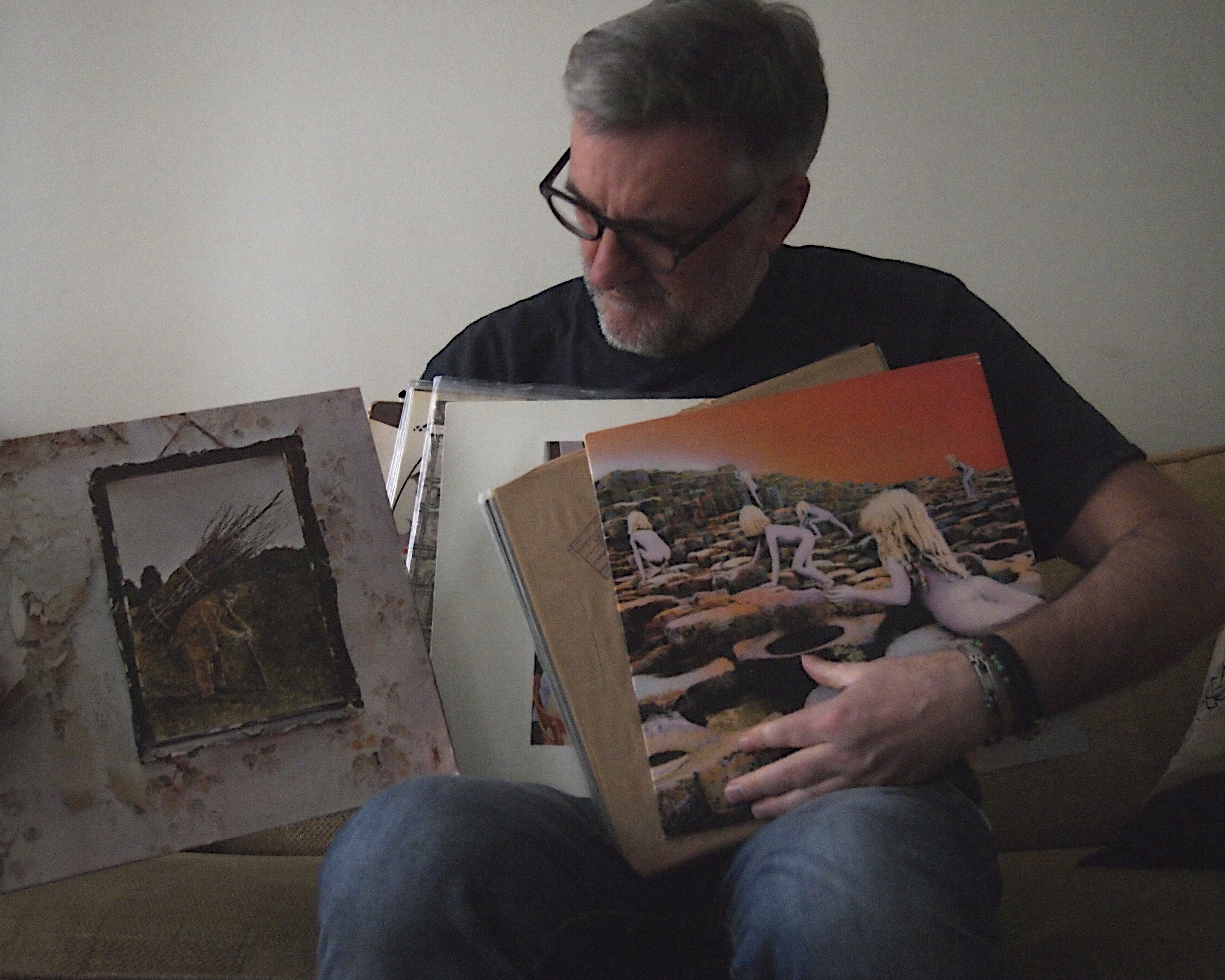
Oh my goodness so much goodness

Oh my goodness so much goodness

Whilst Stairway to Heaven holds a special place. It is a track, which has been slaughtered to many times by warbling tight trousered rock crooners who simply have had too much hair and hairspray at their disposal. Each counterfeiter dreadfully seeks to represent their own interpretation, which makes listening to the original feel like a Vietnam veterans flash back of carnage, panics and cold sweats. Led Zeppelin 4 also has possibly the two finest opening tracks of any rock album in history.  I defy anybody to dispute this.  ‘Black Dog’ and ‘Rock n Roll’ set a standard that has simply not been matched.

It started with the Beatles Anthology where literally anything picked up by the microphone in the recording studio, including instrument tuning, conversations. mistakes, practice warm ups and lack lustre mixes were to be given a formal release. The classic Doors and Hendrix albums were given the same treatment. Pink Floyd’s followed with their immersion box set releases. Now we are to be subjected to yet another repackaged and remastered release of Led Zeppelin’s first three albums with the “super deluxe box set” coming in at a whopping £91.00 ($150.00) each.

When it comes to making money from fans with Led Zeppelin the song definitely remains the same with each “super deluxe box set” the buyer will receive:

  • CD1: Original album newly remastered in vinyl replica gatefold sleeve
  • CD2: Companion audio in a new sleeve, featuring previously unreleased studio outtakes
  • Vinyl 1: Original album newly remastered in gatefold sleeve replicating the original album on 180 gram vinyl
  • Vinyl 2: Companion audio on 180 gram vinyl in a new sleeve featuring negative artwork based on the original album artwork, and featuring previously unreleased studio outtakes
  • HD Download Card with original album and companion audio in 96 kHz/24 bit
  • LP sized, individually numbered, high quality print of the original album cover
  • Album-size hardback book (80 pages)

Led Zeppelin are one of the most successful, innovative and influential rock groups in history. If the 1960s belong to the Beatles then the 1970s belong to Led Zeppelin.  I’ve taken a look at these “super deluxe box set” you know what? I’m going to stick with my old vinyl.

Teenage kicks don’t have to hurt

Saturday 14th December 2013 and the London air is heavy with winter darkness. I’m cold and making a side step shuffle movement to keep warm. The type of side step shuffle normally associated with granddads dancing at wedding parties. I am the lone 52 years old man standing in a long queue that twirls itself around the Camden backstreets streets past a chaotic petrol station where queue members frequently abandon these static ranks to purchase an assortment of chocolate, crisps and dubiously coloured hi velocity caffein drinks.

Tourists armed with bags make their way back to Chalk Farm tube station after perusing Camden market. They take a second glance at the old man standing head and shoulders above his fellow queue participants. The street sweepers battle against the odds as a fine drizzle of rain starts to descend. I find myself surrounded by 1000s of teenage girls, high on their Molotov cocktail of crisps, sugar, caffeine and frenzied excitement.

I recall an interview with Keith Richards where he is asked about his early touring days with the Rolling Stones during the 1960s. Looking into the camera with reflective fear Richards recalled running the gauntlet of young girls after each gig from the backstage to the waiting car. Here I am in the whirlwind Keith, but all I can hear is rather sensible discussions about fashion, music and world events causing concern. Each short advanced movement by the queue is greeted with a collective high pitched shout that bears the capabilities to shatter wine glass in a 3 mile radius.

I am with my 15 year old daughter and her friend and we are about to enter the London Roundhouse to witness an evening with The Black Veil Brides plus support bands. I have been dreading tonight. The age ninja creeps through the undergrowth of life. You know its there because you hear it tussle in the undergrowth occasionally, but you are easily distracted until ‘wham!’ its to late. Running is futile. The age ninja brings many gifts, pot belly, aching joints, declining hairline, corduroy trousers and the graviton pull of the mighty cynicism and no where is this cynicism more revealing than in the world of popular music.

We the 50+ generation smirk with contempt because we are the generation with the musical kaleidoscope, The Beatles, Hendrix, Joplin, The Doors, Smokey Robinson, Sly and the Family Stone, Bob Marley. The glam of David Bowie and T.REX. Musical juggernauts Led Zeppelin, Emerson Lake and Palmer, Pink Floyd. The refreshing blast of punk and the 1000s of 3 chord wonders that followed.

Our principal band or artist became our fashion adviser by proxy. Marc Bolan and David Bowie lookalikes popped up in abundance with their ambiguous sexuality flaunting the nerves of parents and neighbourhoods. These brave lookalikes would often be seen galloping down streets being heckled and chased by older boys with shouts of “get the poof!” A personal musical journey is like a rights of passage. The proprietors of record shops were the the gate keepers of heaven or hell.  A well meaning retailer had the power to provide a gentle nudge towards Dylan. A less informed retailer could slam into the teenage oblivion of Alvin Stardust or mock rock n roll Showaddywaddy train pipe trousers.

My cynical eyes cast over todays popular music landscape and I witness corporate safe niceness penetrating its way through TV screens via the X Factor serving up its cover versions of soppy sugar induced love ballads. I see teenagers walking like zombies with little understanding of individuality who have become mere consumers to be told what to buy and when.

The cold air of London shakes me out of this cynicism and brings me back. I have purposely refrained myself from voicing negative observations in the build up to tonight. This is my daughters musical journey. I am simply carrying out my duty to ensure protection during her first big indoor rock concert.

The drive to London was the first eye opener. My daughter had made a compilation CD, which is to be played on route and prepare the ears for the onslaught. My fears must have been tattooed on my face when news of this CD reached me. I was offered immediate counselling by my wife.

The first internalised sigh of cynicism was swiftly slapped away when the opening vocal lines and chords of Led Zeppelins Black Dog blasts through the car speakers. The CD featured a blend of old and new. My Chemical Romance followed by Zeppelin, followed by Bring Me the Horizon followed by The Ramones, etc. The surprising factor was watching two teenagers in the rear of singing along to each song.

As we make our way towards the venue we increasingly encounter a beautiful rainbow of young people individually dressed in self made outfits, dyed hair, Dr Martin Boots and an attitude that would make the average X Factor fan run to the nearest TK Maxx store for retail safety.

In the venue, sensibly I make the rational decision to stay at the rear and away from the growing mayhem. My daughter and her friend nervously ask permission to go join the crowd, I nervously agree and with a blink of an eye they are gone. My baby whom I have safely tended too over for 15 years is now submerged in army of metal chaos that bounces and sways to every pounding bass, crunching guitar cord and gravel lyrical projectile thrown at them by tattooed muscled musicians.

Occasionally I catch a glimpse of the two teenagers. Their faces totally enthralled with the proceedings as they bond with the crowd  and with growing confidence they push back to protect their space at the front of the stage, which had been hard won.

Two support bands and the pyrotechnic induced Black Veil Brides later I witnesses two sweat drenched, exhausted and beaming faced young ladies stumble back to our prearranged meeting place. Unable to speak due to their shouting back of lyrics, no spoken words are required. I left the Roundhouse that night knowing the musical rights of passage had been navigated. Its not cynicism that creeps up on you as you get older. Its laziness. Laziness that is coupled with being prepared to sit back and absorbing what ever is easily obtained through mainstream media. A sense of adventure and discovery can often be lost.

As a teenager myself the tussle and lengths I endured to buy an allusive vinyl album is simply matched by the complex over supply of downloadable options. Fantastic music and bands exist today, as they did when I was younger. To find them still remains a journey, requiring dedication and determination.

On the 2 and 1/2 hour drive back from London two young ladies have finally drifted into exhausted sleep. I switch the car radio on, tune in and listen to classic FM. Did you know Beethoven was a punk?


Link

I was never a great Lou Reed fan, but did feel a sad loss for one of musics big mavericks, especially when the mainstream seems to increasingly recycle itself . I saw him play live in Bristol many years ago. The memories are quite faded now, but what I recall from the performance had the hallmark of the attitude that influenced generations to come. This was my small photo tribute.LRRIP

Coup d’état of a Song

It is very rare that a coup d’état of a song becomes a magical moment. It only happens when the artists who carries out the coup d’état takes the song on a different adventure envisaged by the original writer and artist. When it does happen it gives the work a fresh emphasis and purpose to the listener. It can also introduce the masses to an unknown, forgotten and often undervalued artist. It also tends to happen best when a song is further compounded by present circumstances, or a certain mythology has developed around the song.

A coup d’état of a song takes place when it is overthrown by an artist who sticks a flag in it like an adventurer on newly discovered land. The impostor goes on to claim the integrity of the song.  A coup d’état of a song goes far beyond the banal multitude of manufactured cover songs that pollute the environment through talentless TV shows. One of the best examples for the coup d’état of a song in recent years is the Leonard Cohen song ‘Hallelujah’.

Legend has it that Cohen wrote around 80 draft verses for the song whilst alone in a hotel room. Apparently the song had reduced him to sitting on the floor, in underwear and alleviating the creative pressure by banging his head on the floor in frustration. Cohen’s original version of Hallelujah emerged on the 1984 album ‘Various Positions’ and was largely ignored until John Cale carried out a song coup d’état in 1991 as part of the Cohen tribute album ‘I’m Your Fan.’

Cohen’s original version went for the choir backing, electric piano, drums and echoed lead vocal – full on production. Cale’s version was structured more delicately around a single vocal and grand piano that gave the song a much more personal, haunting and dramatic production.  Its Cale’s version that is more likely to be performed by artists, including Cohen himself who during his latest round of tours performed Cale’s version. It is also the Cale version that appears in the 2001 Shrek film and not the Jeff Buckley one, as many believe, although interestingly the Cale version did not appear on the soundtrack album for the film.
He never got to meet his musical heroes.

He never got to meet his musical heroes.

The commercially successful coup d’état of the song was of course undertaken by Jeff Buckley who in turn was inspired by the Cale coup d’état rather than Cohen’s original. Buckley’s coup d’état has become the best known and featured on his only complete album, Grace from 1994. The song was released to great commercial success during 2006/07 when it charted around the world.Buckley sadly did not live long enough to witness this success after dying in tragic circumstances at the age of 30 in 1997. His Grace album did not go Gold until 2002, nine years after its original release.

These tragic circumstances added further mystery to the Buckley coup d’état of Hallelujah, which had further intrigue given that Jeff Buckley is the son of Tim Buckley the legendary folk singer from the 1960s/70 who also died young at the age of 28 in 1975.

Musical history is littered with the missed possibilities for creative partnerships caused by egos, untimely deaths, or simply artists not being around and kicking at the same time. So whilst sitting alone one Sunday morning listening to a few CD’s, sipping coffee and pondering aimlessly I thought about some of our sadly demised artists and the songs that were published after their death, which in my view they would have graced with a glorious coup d’état. Here are my top 5 selections.

1. Billie Holiday: The Rolling Stones ‘As Tears Go By’.

By 1959 Billie Holiday’s ravished life of rape, prostitution, alcohol abuse and drug addiction had come to an end. On May 31 of that year Holiday had been taken to Metropolitan Hospital in New York suffering from liver and heart disease. She was arrested for drug possession as she lay dying, and her hospital room was raided by the authorities.

In 1994 the Jazz label Verve released a collection of tracks by Holiday entitled The Great American Songbook, which captures some of her final recordings. The glory days were well and truly gone by now. Holiday struggles to hit the notes and her voice is noticeable cracking, often slurred in delivery. In her glory days Holiday was renowned to be one of the greatest female vocalists in the world with a vocal that could melt an audience into submission with ease. The Great American Songbook collection of songs leaves a harrowing legacy that faced many Black artists, especially Black women who were exploited, abused and ultimately lost their life in pursuit of their art and in the hand of the ruthless men controlling the music business. I can think of no more fitting song than the Rolling Stones ‘As Tears Go By”

This song was written by Jagger, Richards and their then manager. The song was originally given the female treatment by Marianne Faithful and was initially earmarked for the ‘b’ side of her record in the early 1960s, but upon hearing the demo her record company decided to switch the track to the ‘a’ side and it went on to Chart. It took a few years until the Stones actually released their version of the song. Faithful delivered a credible effort, but imagine Holiday with her life experience and lady day voice transforming this song into a pain of beauty and making angels cry.

2. Miles Davis: Radiohead’s ‘The National Anthem’

In 2001 Radiohead released ‘Amnesiac’ their fifth studio album. The final track on the album is entitled, ‘Living in a Glasshouse.’ Radiohead’s Jonny Greenwood wrote to the ageing British jazz trumpeter Humphrey Lyttelton asking him to play on the track because the band was “a bit stuck.” Lyttelton apparently agreed to help after his daughter shared their 1997 classic album OK Computer with him. This event informed my next imaginary venture. I take you back one Radiohead album to set out my next coup d’état of a song.

Kid A Radiohead’s fourth studio album was written, conceived and recorded around the same time as Amnesiac. The 3rd track on Kid A is the thunderous, “The National Anthem’ with is driving bass line and disjointed electronics. It would be absolutely breathtaking to have witnessed a free flowing, at his best, Miles Davis kicking into this track, which would not have been to much out of place given the music styles Davis was experimenting with in the 1970s.

In 1970 Davis released the controversially titled, ‘Bitches Brew’ that continued his experimentation into using electric instruments and a loser rock-influenced improvisational style. The Album received mixed responses and reviews upon its release, due to its unconventional style and sound, although it is now gained recognition as one of jazz’s greatest albums and a progenitor of the jazz rock genre, as well as a major influence on rock musicians…..like Radiohead no doubt.

Davis died in 1991 and is generally recognised as one of the most influential musicians of the 20th century who was at the forefront of major developments in jazz music, including bebop, cool jazz, hard bop, modal jazz, and jazz fusion.

http://vimeo.com/51713268

Davis and Radiohead a marriage made in heaven and divorce played out in hell.

3. Curtis Mayfield: Tom Waits ‘Alice’

Two of my favourite artists of all time. This is a collaboration that sends shivers down my spine and one that if existed would be demanded at my funeral. Curtis Mayfield wrote and sang from the heart with truth, love and passion. Often overlooked and generally only credited by the masses via his soul classic ‘Move on up’ that has gone on to be bastardised through many a TV commercial and dreadful remix.

Mayfield died in 1999 and left a back catalogue, which is enough to put most of today’s recording artists to shame. Recognised as a pioneering soul, funk, R&B, singer and songwriter Mayfield was grounded in the radical politics of the 1960s Civil Rights Movement and composed the soundtrack for the blaxploitation film Super Fly. He was also a multi-instrumentalist who played the guitar, bass, piano, saxophone, and drums. Mayfield was paralysed from the neck down after stage lighting equipment fell on him during an outdoor concert at Wingate Field in Flatbush, Brooklyn, New York. He was unable to play guitar again, but he wrote, sang, and directed the recording of his last album, New World Order. Mayfield’s vocals for the album were painstakingly recorded, usually line-by-line while lying on his back.

Alice is an album by Tom Waits, released in 2002. The album contains the majority of songs written for the play/opera of the same name that was adapted by Robert Wilson. The play/opera explores the obsessive relationship between Lewis Carroll and the little girl who inspired Alice in Wonderland, Alice Liddell.

The opening track of the album entitled Alice guides you into a false sense of security; a lovely, candle-flickering tune, drums brushed around a breathy sax and gently chiming vibes. What comes afterwards is a journey into the darkest regions of obsession, insecurity and personal fears played out in the tone, structure and vocal tortures that Tom Waits is perfect at producing. It is the title track Alice that I can imagine Mayfield bringing glory too.

The creative clash between these completely different artists and style in my view (and imagination) would generate something of immense beauty, equally it could be a right mess just like Joe Strummers duet with Johnny Cash where they jointly warbled the Bob Marley’s classic Redemption Song – what a trio Cash, Strummer and Marley all dead, all legends, yet somethings should never escape the studio.

4. Janis Joplin: The Milks Carton Kid ‘Michigan’

The Milk Carton Kid’s album Prologue, 2011 in my view is a modern folk classic. The album bursts with confidence lyrically from its opening track ‘Michigan’. The band consist of singers and guitarists Kenneth Pattengale and Joey Ryan. At the point of writing their first two albums are free to download from the bands website: http://www.themilkcartonkids.com/

Janis Joplin died in 1970 and was an American singer-songwriter who first rose to prominence in the late 1960s as the lead singer of the psychedelic-acid rock band Big Brother and the Holding Company. On the 4th October 1970 her absence from the recording studio was causing concern. She was found dead on the floor of her bedroom that day with the official cause of death being an overdose of heroin combined with alcohol.

Although Joplin had a remarkable, powerful and distinctive voice, it was also tinged with a fragile tone that could turn a song on its head whilst in the middle of delivering.  Whilst Michigan the place is a place of natural beauty, its largest city is Detroit, with its proud musical heritage has succumb to dramatic industrial and social decline witnessed by on a few major cities. These conflicting dilemmas play out in the song and add to its depth.

http://vimeo.com/28768380

Joplin would have taken this song by its throat and transformed it from its delicate folk interpretation into wailing epitaph in honour of a once great city, its people, families and community. No rock will have been left unturned, every emotion would have been exposed and cast at our feet to ponder.

5. John Lennon: Low ‘Plastic Cup’

There is the Beatles. There is John Lennon as a solo artist and there is the mythology that surrounds Lennon. Personally I’m not a great fan of his solo work, which I often find pretentious, but this of course does not diminish the great man from my reflections. Plastic Cup appears on the Low album Invisible Ways.

Formed in 1993 the music of Low is characterised by slow tempos and minimalist arrangements. The track Plastic Cup represents typical Low territory with it’s brooding, unhurried, dark, but yet warm produced by Wilco’s Jeff Tweedy. Lennon will have been at his best singing the words of Plastic Cup, “And now they make you piss into a plastic cup and give it up. The cup will probably be here long after we’re gone, what’s wrong?” The type of lyric I can image him writing in and around the time the Beatles imploded resulting in his fractured separation from Paul McCartney.

By the early 70s Lennon and McCartney where is creative war with one another. First of the blocks was McCartney with his studio album ‘Ram’ that contained the track “Too Many People” which McCartney confessed was a dig at Lennon. The response was not long in the waiting when Lennon released the ‘Imagine’ album later the same year, which contained the infamous track ‘How do you sleep at night?’ The lyrics of Lennon’s track, “The only thing you done was yesterday alongside “Those freaks was right when they said you was dead” leave little to the imagination as to the festering hatred that was eating away in Lennon.

Lennon was known for his politically left leaning sympathies and his last known act of political activism was a statement in support of the striking sanitation workers in San Francisco on 5 December 1980. He and Ono planned to join the workers’ protest on 14 December. Lennon was shot dead on 8 December 1980 in New York. He was was forty years old and on that day the corporate music elite lost all hope of a Beatles reunion, but it remains a sad note to the world that Lennon and McCartney where not able to work it out.

http://vimeo.com/18623136

Nadine Shah – A Touch of Class

Nadine Shah’s Love Your Dum and Mad is, without question, my standout album of 2013 to date. While critics will no doubt continue to lean on easy comparisons to Radiohead, Nick Cave, and PJ Harvey, such shorthand does a disservice to Shah’s bold and distinct artistry. This isn’t just a nod to her influences—it’s a fully realised, immersive journey that demands to be appreciated on its own terms.

From the opening track, Aching Bones, Shah immediately pulls the listener into a shadowy, almost menacing soundscape anchored by a brooding bass line that sets a compelling, intense tone for the album. This is not music made for casual pop consumers; it’s a deeply textured, richly layered experience that challenges and rewards in equal measure.

Beyond the music itself, Shah occupies a unique and important space in the male-dominated sphere of alternative and indie rock. As a woman of Pakistani heritage, she brings a fresh perspective and an unyielding seriousness to her craft—pushing boundaries and defying clichés with every song. While her cultural background is sometimes reduced to a talking point in reviews, it is Shah’s undeniable talent and vision that should take center stage.

I first discovered Shah on Maya Jane Coles’ album Comfort, where Shah’s vocals perfectly complemented Coles’ electronic beats and flirted confidently with Massive Attack and Tricky’s trip-hop territory. Yet it is Love Your Dum and Mad that truly captures my admiration—a record that asserts Shah’s unique voice in a crowded musical landscape.

In an era saturated with sanitized chart fodder and predictable formulae, Nadine Shah and Maya Jane Coles stand out as two fiercely talented women leading the charge toward something more authentic, compelling, and daring. Do yourself a favor—listen to both albums and experience music that refuses to be ordinary or mundane.

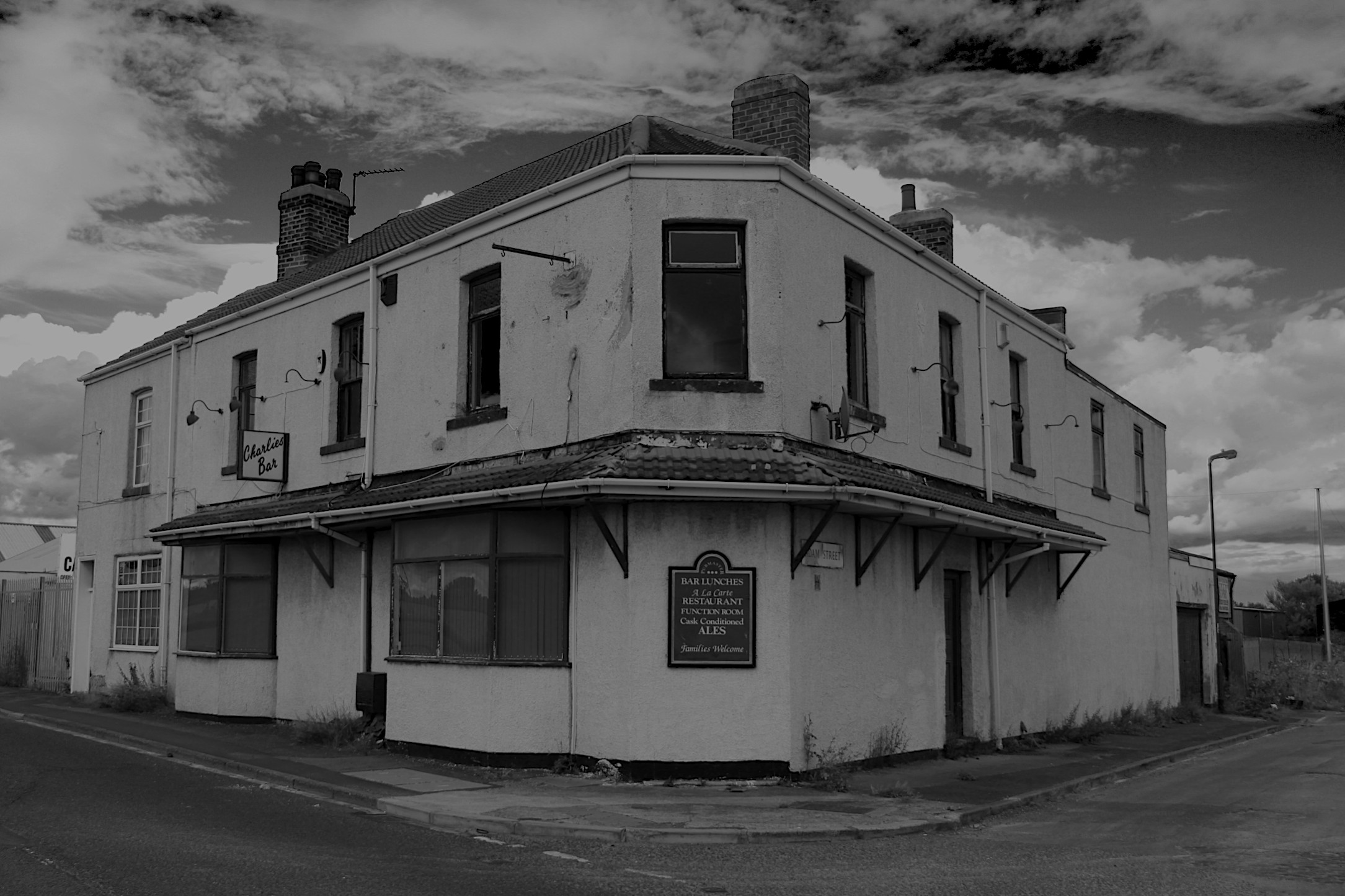
The Drum and Monkey

The old Drum and Monkey Pub sits on the corner of Bowesfield Lane and Adams Street in Stockton on Tees. Once surrounded by a network of thriving and mainly family owned businesses like iron foundries.  At a lunch times the guys working  in the immediate locality would congregate here for a quick pint, sandwich, chat, exchange banter, place their £1 coin on the pool table in the hope they could grab a quick game before heading back to the intense heat and dust of the furnace and the toil of hard labour. The body fluid lost during a 5 hour morning shift would constantly need replenishing and the men would be encouraged to drink a pint of bitter shandy at lunch time. This was before any notion of health and safety regulations and we would often be joined by the foundry owner who on a good day would pay for the drinks (especially on a Friday).

Drum and Monkey

Today not much remains of these industries and indeed the men that toiled often on 12 hour shifts 5 days a week. Working in conditions that would not be tolerated today. Not many people retired from this line of work, the dust, sulphuric fumes and everyday hazards of working with moulting metal took their tole with lung infections, cancers, scares, missing fingers and teeth, burns and dirt that seeped into the skin to leave engrained tattoo like marks on your hands. The afterwork showers and expelling of inhaled dust from the chest and nostrils made for gruesome sounds and a dark tar like effluent running through the communal outflow from the shower cubicles.  A single foundry struggles to survive today, but is highly automated and relies upon a handful of men to operate it. The surrounding area is now awash with car showrooms, office blocks for white collar workers in insurance, legal, or financial services. Large shopping and retail outlets provide their customary part time work opportunities and modern housing developments have sprung up.

When I worked in a foundry during the 1970s new technologies were promoted as the great advancement of the working class. Quality leisure time would be in abundance as robots took up the hardwork. This was of course before the venture capitalist and edge fund fraudsters got their claws into ordinary peoples lives and ripped communities apart in the 1980s. For those too young to know it Bowesfiled Lane is where then PM Margaret Thatcher came to open a new electric furnace and infamously called working people “moaning mini’s.”   2 years later the electric furnace was closed down, knocked down and 100s of men and women joined the dole queue. Today where once proud people worked is a modern housing estate with pretty maintained lawns, whose literal foundations have been built on the sweat of their fathers and mothers.

Progress is good and there are a lot of really exciting things happening in my home town. The local council against the backdrop of the global free market does its best to protect the local economy, but an economic system that pits worker against worker,  enables multinational and faceless industrial owners who no longer see through the lens of community, or indeed national boarders to exploit labour costs.

Long gone is the days when the foundry owner would pop down to the pub with the workers on a Friday afternoon and buy the round. Today that pint you have to buy yourself, the industry you work in, the shoes you are walking in and the money you are spending are all properly supplied by the same faceless and unaccountable bunch of financiers.

One Friday afternoon before the Christmas holiday’s around 1978  we were in the Drum and Monkey and I called the owner of the foundry I was working at a  “greedy tosser” because he only bought one round for the guys. He shrugged, laughed and after some piss taking from the rest of the guys bought two more rounds. Accessibility, democracy and worker power in action and its about time for the multinational financing tossers now.

The Road Between Woolwich to Eltham

Woolwich, a small corner of London often overlooked, tells a tragic story of a community caught between change, division, and neglect.

Like shifting fault lines beneath the surface, Woolwich is vulnerable to social fractures. It shares London’s diversity—a mix of cultures, faiths, and races—but unlike much of the capital, it remains deeply polarised. Here, acceptance often feels reluctant and tolerance begrudged. Despite nearby developments, Woolwich never benefited from the economic boom of the 1980s, and it continues to bear the harsh consequences of austerity measures.

Until the 1960s, Woolwich’s white working-class communities provided much of the labour for the military industries that dominated the area. Today, many have moved away to neighboring areas like Charlton, Eltham, and Plumstead, while new populations have settled in peripheral estates such as Thamesmead—an area defined by stark Brutalist architecture, famously used as the backdrop for Stanley Kubrick’s A Clockwork Orange.

Woolwich’s industrial heritage runs deep. It is the birthplace of Woolwich Arsenal Football Club—known today simply as Arsenal—a club whose nickname, ‘The Gunners,’ remains a reminder of its origins. Football was once the heartbeat of working-class life here, a cheap and accessible escape, tightly woven into community life alongside trade unions, local pubs, and family-run businesses.

However, the collapse of Britain’s industrial base in the 1970s, combined with globalisation and increased migration, radically transformed Woolwich. The area became home to large numbers of immigrants seeking affordable housing and new opportunities. This demographic shift brought cultural richness but also rising tensions—between first, second, and even third-generation immigrants, and between new arrivals and established residents.

Local institutions, including mosques, evolved to serve increasingly diverse congregations. Yet while middle-class Britain has largely embraced multiculturalism through cultural festivals and events, many in Woolwich’s white working-class communities have felt left behind—economically, politically, and socially.

As opportunities vanished and political representation faded, extremist groups found fertile ground. The National Front’s notorious bookshop in nearby Welling was led by Richard Edmonds, a veteran of far-right politics. Racial tensions between youth gangs escalated, culminating in the murder of Stephen Lawrence in 1993—a killing that shocked the nation and exposed deep flaws in policing and race relations.

Twenty years later, Woolwich was once again the scene of a shocking and violent event. On May 22, 2013, Lee Rigby, a 25-year-old soldier and father, was brutally murdered on the streets. Two men attacked him with knives and cleavers in broad daylight. The attack was captured on mobile phones and broadcast widely, leaving the country in stunned disbelief.

I know Woolwich. I lived and worked nearby. I know the streets where Lee Rigby was murdered, where families and colleagues walked safely just days before. Whatever one’s views, nothing justifies this act of violence and horror.

Soldiers often follow orders without control over political decisions. The families in conflict zones who lose loved ones share the same hopes for peace and stability that Woolwich’s residents seek for their children.

In the aftermath, far-right leader Nick Griffin visited Woolwich, a move widely seen as opportunistic and inflammatory.

Now is a time for dignity, reflection, and unity—not division. The wounds in Woolwich remain open—racial and social fault lines that, if left unaddressed, threaten further violence and mistrust. These tensions play out daily in real life—in schools, markets, and neighbourhoods—waiting for the next spark. The murders of Stephen Lawrence and Lee Rigby are grim reminders of this reality.

My deepest respect goes to their families and to the brave Woolwich residents who tried to help on that terrible day. One image stands out: two Black women tending to Lee Rigby’s lifeless body, holding his hand, offering comfort amid horror.

Twenty years on, Woolwich remains a place of challenge—new developments are springing up, big money is changing its face and community once again. Where do the people who can’t afford to buy into this new world go?

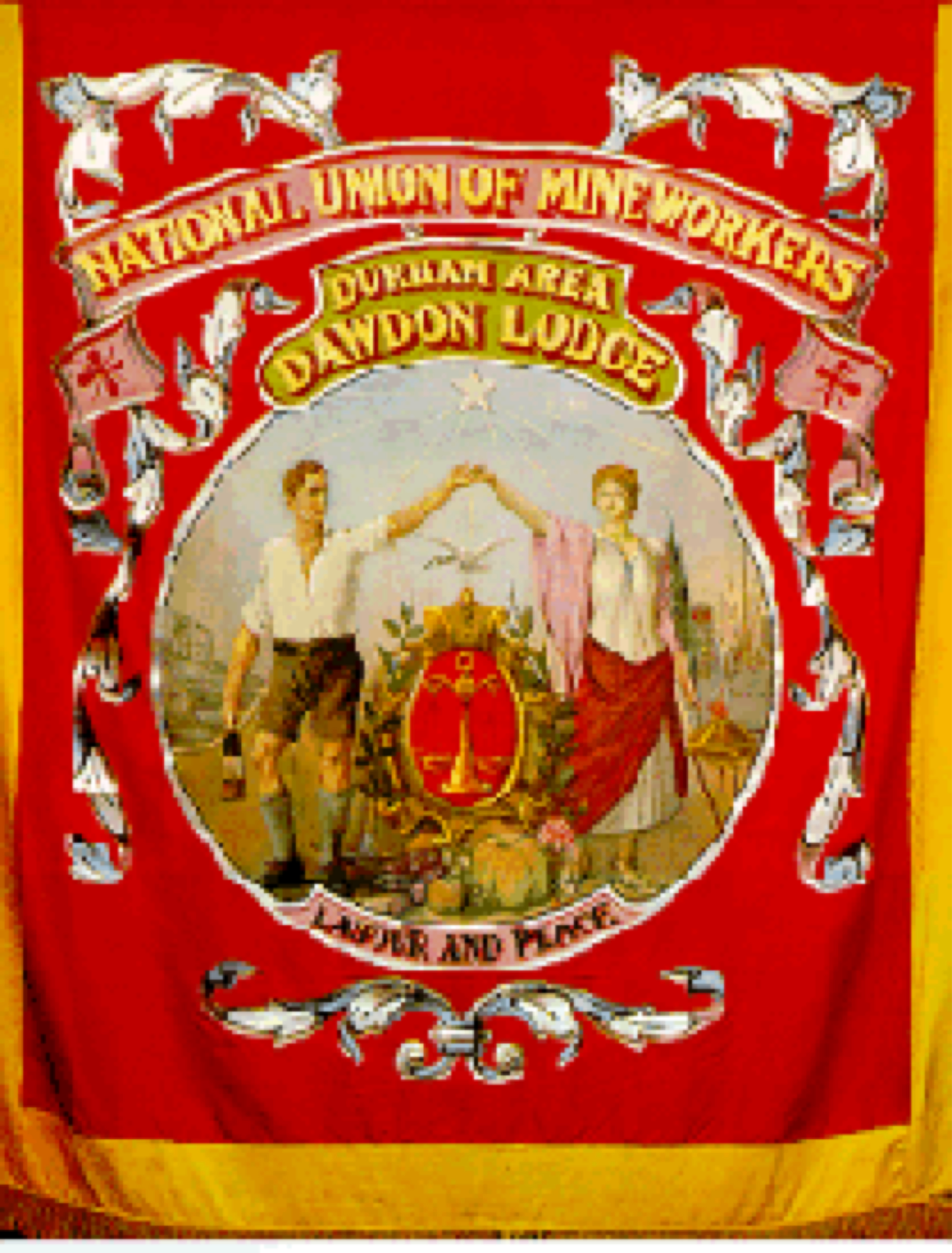
Dawdon Colliery

During the fierce and unforgettable miners’ strikes of the 1980s, I stood alongside the brave families and communities who bore the weight of struggle and sacrifice. I poured my heart into raising funds to support those who refused to be broken, those whose courage echoed through every pit and every home. My solidarity was with the proud men and women of Dawdon Colliery — a place steeped in history and resilience.

Dawdon was no ordinary pit. Born from the vision of the Marquess of Londonderry in the late 19th century, it grew to become a powerhouse of coal production, a lifeblood for generations of families, and a shining jewel in the crown of both the Londonderry legacy and later the National Coal Board. Yet, despite its glory and the sweat of countless pit men, Dawdon was ruthlessly closed in July 1991, crushed under Margaret Thatcher’s relentless campaign to dismantle mining communities.

Today, I remember the pit men and boys who gave everything — some paid with their very lives — at Dawdon Colliery. Their names, their ages, their sacrifices are etched in my heart. To them, and to the communities that still carry their spirit, my thoughts burn with respect, sorrow, and unwavering solidarity. You are not forgotten.

Attwood, George: 34

Bacon, Edward: 51

Barden, James: 34

Baron, Joseph: 32

Black, JA: 27

Boad, G: 60

Bolton, J: 49

Briggs, Robert: 30

Brown, F: 63

Bryan, John: 20

Buckley, J: 16

Carr, S: 62

Casey, Randolph: 44

Close, Francis: 42

Clyde, George: 44

Coates, Thomas: 14

Crake, R: 24

Davis, W: 55

Davison, William: 24

Dodds, Charles: 31

Douglas, Thomas: 26

Duck, Frederick: 15

Dunn, Henry: 27

Edminson, M: 60

Emery, William: 26

Evans, George: 63

Field, John: 51

Fleury, James: 17

Foster, Ralph: 14

Freeman, Thomas: 37

Geddes, W: 57

Glithro, Thomas: 25

Greenwood, George: 44

Grieves, Ralph: 26

Hamilton, Charles: 19

Hasson, Frederick: 20

Hastings, Samuel: 19

Hepworth, Robert: 14

Hockings, W: 15

Hughes, Richard: 14

Hull, James: 26

Jones, S: 34

Judd, T: 43

Kennedy, Robert: 18

Langley, Norman: 47

Lawrence, John: 26

Little, J: 21

Maratty, J: 45

Maratty, Patrick: 18

Marsh, Ed John: 14

McDonald, Alexander: 46

McDonough, Bernard: 14

Mead, William: 36

Muir, JH: 15

Murphy, John: 29

Musgrove, Frank Currie: 17

Nixon, T: 51

Nugent, H: 15

Olley, Edward: 39

Owen, Ralph: 41

Phelan, John: 19

Pigg, F: 17

Potts, George: 22

Preston, John: 17

Robinson, Daniel: 17

Robson, Emmerson: 38

Rodgers, William W: 14

Rogan, Vincent: 48

Rogerson, Frederick: 11

Rudkin, J: 59

Schneider, George: 36

Shepherd, Walter: 14

Simpson, Joseph: 49

Smith, George: 23

Snaith, Alfred: 31

Spence, Randolph: 37

Tempest, W: 51

Thirlwell, William: 44

Turns, David Dick Brown: 50

Walker, W: 38

Walters, Edward: 45

Waugh, Charles: 38

Wheatman, Ralph: 24

Williams, John: 40

Williams, Silas: 53

Nothing but innocence

I am your innocence
Bring the broken bones
Wrapped in woven sack
Tied then opened
Released and spread out

Assembled they are a body
For you to collect again
To gather and place back in woven sack

Placed on shelf
Amongst the past
Awaiting to be opened
In candle light

The footsteps at the door
The handle slowly turns
Take me to your factory
Spread me on the floor
Tell me you understand
For I am nothing but your innocence
I have nothing left to hideImage

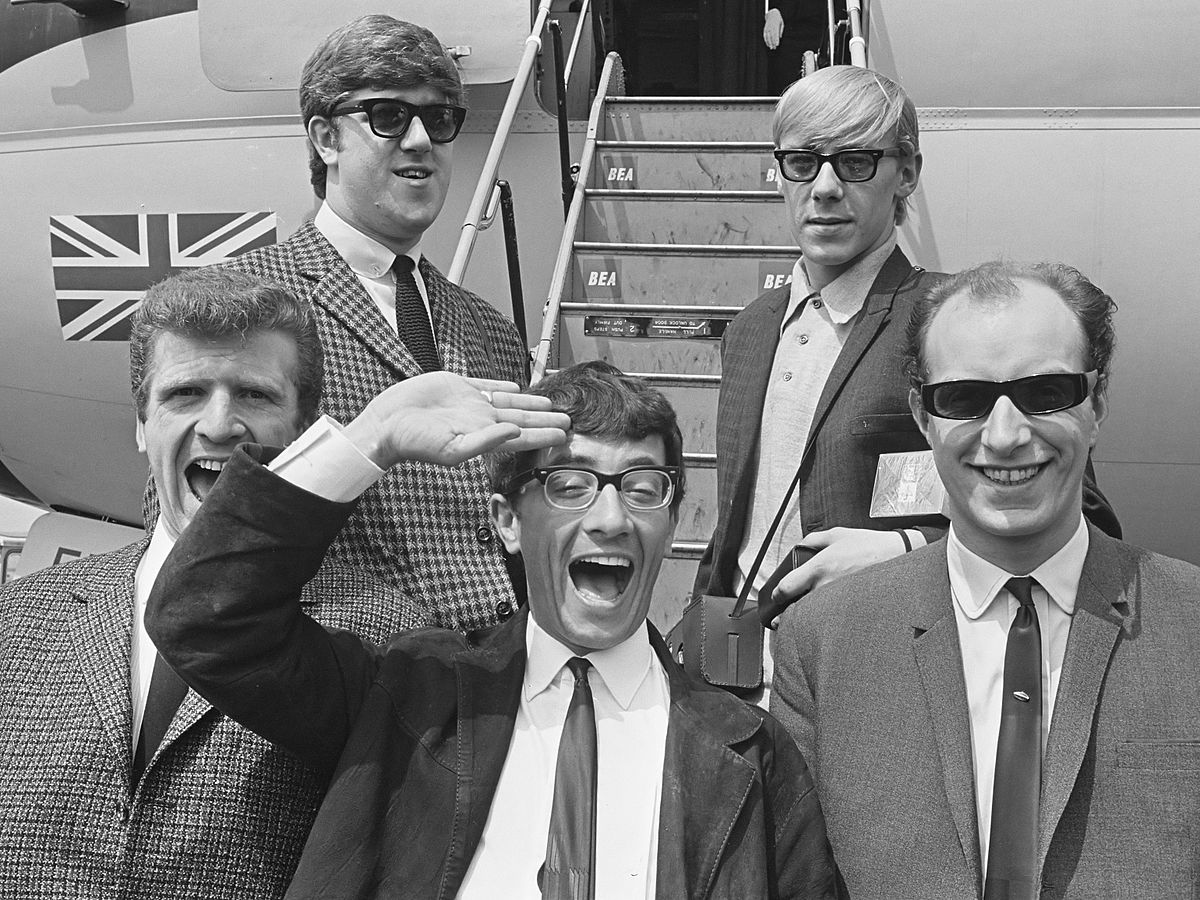
Freddie and the Dreamers V Friedrich Hayek

Freddie and the Dreamers were an English band famous for their string of hits between May 1963 and November 1965. Their secret weapon? The comic chaos of lead singer Freddie Garrity—just 5-foot-3 but bouncing wildly across the stage, arms and legs flailing in full showman mode.

1200px-freddie_en_the_dreamers_1964

Their biggest hit, If You Gotta Make a Fool of Somebody (1963), climbed to number 3 in the UK charts. But at the same time, another “Freddie” — were dreaming up a far darker hit. A tune that would take nearly 50 years to explode: the 2007 global financial meltdown. This crisis threw millions out of work and wreaked irreversible damage on economies and lives worldwide. Enter the University of Freiburg, a European research hub where Freddie (Friedrich) August Hayek began shaping his neoliberal economic theories.

By 1984, Hayek had been honoured by Queen Elizabeth II, on Margaret Thatcher’s recommendation, for his “services to economics.” The U.S. followed suit, awarding him the Presidential Medal of Freedom. Revered by followers as one of the greatest modern economic thinkers, Hayek left a deep ideological footprint.

In his essay Why I Am Not a Conservative, Hayek slammed traditional ‘one nation’ conservatism. Post-WWII, this moderate wing embraced social consensus on issues like employment and housing. But Hayek dismissed it, warning, “conservatism is only as good as what it conserves.” His message was a call to shake up centre-right parties and reject old compromises.

Once a leftist, Hayek now fiercely opposed government economic planning as a threat to freedom and a barrier to free markets. In 1974, the Centre for Policy Studies was founded by Sir Keith Joseph and Margaret Thatcher to promote his free-market ideas—the birth of neoliberal politics, with Hayek as its first director.

In 1975, during a visit to the Conservative Research Department, Thatcher stunned party aides by slamming Hayek’s Constitution and Liberty on the table, declaring, “This is what we believe in.” Sir Keith Joseph later admitted he only fully embraced Conservatism after 1974, acknowledging the profound shift underway.

Over the next decade, ‘one nation’ conservatives were sidelined, replaced by Thatcher’s hardline neoliberals. Even when Michael Heseltine helped end Thatcher’s reign, the damage was done—a quiet Conservative coup with consequences far beyond party politics.

Across the Atlantic, Hayek’s influence took hold at the University of Chicago (1950-62), alongside economists like Robert Fogel and Milton Friedman. Fogel infamously argued that slave owners treated slavery as business and slaves were better off than northern industrial workers—a controversial, cold calculation based on plantation records.

Friedman advised Reagan and Thatcher, and even Chile’s brutal dictator Augusto Pinochet, whose regime tortured and killed thousands.

Together, Hayek, Fogel, and Friedman forged the backbone of neoliberal policies in the UK and USA post-1979. Their obsession with unregulated markets is summed up by Hayek’s chilling claim: “free choice is to be exercised more in the marketplace than in the ballot box.” For him, markets trumped democracy.

This toxic trio’s dogma ignored the realities of everyday life, laying the groundwork for today’s economic chaos—deregulated banks and stock markets running wild, greed supplanting productive industry, replaced by complex financial derivatives that serve only the wealthy elite.

When disaster struck, governments flung open the doors to bail out the rich—an obscure form of socialism for the privileged few—while workers faced global competition and widening inequality.

The UK’s “Big Bang” on October 27, 1986, symbolized this shift: deregulating financial markets, abolishing fixed commissions, and unleashing new financial products. Money flowed freely—home loans, credit, refinancing—but the nation stopped making things. Public assets were sold off in privatizations, effectively selling what we already owned back to us.

The 2011 U.S. Senate Levin-Coburn Report blamed the 2007 crash on risky financial products, conflicts of interest, and regulatory failure. Yet no government dared challenge the neoliberal orthodoxy laid down by Hayek, Friedman, and Fogel. Even Labour under Tony Blair embraced it, championing the same market-driven framework.

That worked—until the money ran out.

Now, as we face a new dawn, the question is: can we break free from this cycle? Can we truly change the rules instead of remixing the old hits? Because no one needs another version of If You Gotta Make a Fool of Somebody blaring through the modern day X Factor of economic folly.