 Silence. The fragility of stillness is like numb and paralysed limbs void of energy, redundant. Disturbed only by the rhythm of breathing. Life’s ever-decreasing cycle, unachieved ambitions. Closed eyes and memory flickered dreams projected like old camera films on stained wood chip walls. The taught rituals of work from the first day to first weeks pay. Good days, the bad days and the in-between days, but always the grind. Homemade sandwiches, canteen-banter. Dirt pitted hands, stewed tea, page 3 and practical jokes. Dust in the hot foundry that told no lies and hid no secrets. Shudders and cries of sweat covered men as splashes from molting metal discovered unprotected skin. The cranking cogs that churn day in and day out. Sulfated sands. Weakened lungs are wheezing accidental poetry. Now speeches are made, and words evaporate from unintended lips. A £250.00 gift voucher. A shake of hands. A promise of continued friendships followed by a thoughtful,“ goodbye.”
Awaken. The first sense is confirmation of surrounds. Open eyes. Traffic was passing without intent. A chilly June morning beckons as the 6 am alarm sounds. The first domino of the day falls for Stanley, and the momentum starts anew. A routine of acceptances had to be maintained. A deceiving Sunbeam has penetrated the gaps of his faded paisley curtains. Across the polka dot duvet, it searches up the chimney breast, glancing the photograph of his parents who offer warmth in returning judgments.
The bookshelves constructed while listening to a transistor radio and interruptions from his mother with offers of tea, one sugar, tuna fish sandwiches, and a custard cream biscuit. The shelves crammed with diaries, poetry books, autobiographies, George Orwell novels, photograph albums and the occasional treasure discovered in second-hand bookshops. A shower and piss down the plughole. Watching the yellow whirlpool dilute and disappear.
Dressed, tea, two pieces of toast. Stanley stands by the front door, pauses, inhales a profound conscious breath, turns the lock, and opens the door and steps outside. The housing estate is quiet. It’s young inhabitants whose lives seem full of noise and disputes sleep, recharging their batteries like the mobile phones they possess on pay as you go contracts with unlimited texts. Stanley stands motionless. The bus is late. The glass panels of the shelter lay shattered and, like the fragmented lives, he witnesses on most days nobody was keen to pick up the pieces and put it back together again. Warm breath lifts like clouds. The shattered glass grates under his feet as he steps onto the bus. He nods to the driver who nods back; no words are exchanged, none is necessary, and the bus pass is presented.
Faraway places were to remain distant places for Stanley. Although he envied those who travelled he was not bitter, he celebrated their fortune and sought any opportunity to find travellers to discuss their experiences. Often disappointed with tales of cheap alcohol, crowded beaches, and industrialised hotels. Since his redundancy from work five years ago Stanley had been volunteering three days a week at a local charity bookshop. The shop had become his universe where he learned and explored faraway cultures from abandoned books delivered to the stores from house clearances after an elderly death.
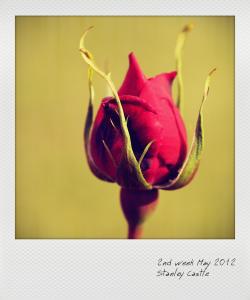
2nd week in May 2012, It was 3 years ago when cleaning old stock from the dark basement that he came across a book entitled ‘Physic Transformational Meditation, as Practiced by the North Korean Talesi Monks.’ Little is known of the Talesi Monks, and it was the only book Stanley discovered on the subject after extensive searches of local libraries, the Internet and retail bookshops.
Feared by their Japanese rulers in the early 1900s and the secretive North Korean regime all Talesi monasteries had been systematically destroyed, their practices outlawed, old monks sent to isolation camps and the separated young to state re-education programmes. The book brought instant warmth to his hands when he picked it up, which had encouraged him to set it aside. Upon opening the book, he discovered a small white-foiled package, which was acting as a bookmark for the section entitled ‘Teaki the practice of dreaming and dying.’
The little white-foiled packet contained a single seed. An individual child Stanley was born to parents who were much older than any of his peers. By 15, he became the part-time carer for his aging parents. His parents had both died while Stanley was in his 50s. Now he found himself at 71 years old living alone in the house where he was born, brought up and no doubt one day would die in. Reflecting on his circumstances, he knew his choices, which he had made without regret.
To avoid the constant disputes between neighbours, children beavering away like a colony of worker ants intent on dismantling the housing estate brick by brick and the regular intrusion of police raids seeking to extract the latest suspect for questioning Stanley timed his arrival home in the early evening. It was March when Stanley planted the seed and placed the small pot by the kitchen window. He had tendered to its every need with daily dedication. When the foliage was about 2 inches long, he feeds the plant a high nitrogen food to encourage foliage and stem growth. When the stems started to elongate, he had decreased the nitrogen feed to promote a full bloom. During late May, the buds began to open and expose the delicate dark red petals.
The following morning Stanley had followed his routine. With a spade in one hand and potted rose in the other Stanley made his way to the large grassed common area that lay in the centre of the housing estate. In the heart of the common area, he dug a small hole, knelt down, planted the rose and stood back. Immediately the sun’s rays broke through the morning clouds. A tender, sweet smell emerged from the rose and entered Stanley’s nostrils. He stood perfectly still. It was one hour before his neighbour Angie Ward, who had been peering at Stanley for 45 minutes through her bedroom curtains, came over to see what he was doing.
2nd-week June 2012When Angie Ward caught a smell of the tender fragrance she too immediately stood still, relaxed, let out a deep sigh and closed her eyes.Next, it’s was Tom Ridbridge, the neighbourhood thug who was to succumb then Jenny Heartbelt, one by one this reoccurrence was maintained until 11.45am. By this time every resident of the estate was standing in a large circle 100 people deep, in a state of total bliss and calm.
By 12noon the police were in attendance, but were powerless due to the numbers and density of the residents they could not access the centre of the circle to ascertain the cause nor were they able to smell the fragrance of the red rose. No matter how many times they demanded information the residents did not respond and only continued to remain silent, head slightly bowed, as if in deep sleep.
TV crews from the local media arrived. Politicians, who had not been seen on the estate for many years pronounced theories and point accusations at their opponents. Noble people from the town hall held discussions into the phenomena, which was taking place in their jurisdiction and without their consent. They passed emergency resolutions demanding the residents to disband and return home, but to no avail. As the day slowly became, night police helicopters hovered above with piercing searchlights scanning the crowd below. Barriers were erected to prevent people from entering or leaving the estate. At 11 pm the chief of police Edmond Clarke addressed the residents through his standard police issue loudhailer, “I have been ordered to disperse you all from this unlicensed gathering. I will give you until midnight to do so. If needed, I will use force, so please disperse peacefully now,” but no response was forthcoming.
At 11.55pm, Stanley opened his eyes, bent down and removed the red rose from the soil and placed it back into the pot. He stood up and like a regimented army his fellow residents slowly came to their senses, smiled, turned and calmly started to make their way back to their homes in silence.
10 am the day after; Stanley was sitting in his front room enjoying a cup of tea when he realised a calmness he had not felt for a long time was emanating from the streets outside. Calmness he had not experienced since before his parents had died. He glanced at the rose, which he had placed on the living room table. Its colour had drained. Leaning forwards Stanley took a photograph with his Polaroid Camera and wrote a single word and the date on the photo.
He sat back, closed his eyes, inhaled gently, smiled, and exhaled a deep sigh followed by a low murmur. His hands relaxed and opened on each arm of the chair. His body eased into the contours of the seat. A warm glow appeared in front of him.


 Somethings have explanations, some things take belief, while others just leave you pondering for a rational reason for them to exist. They capture a moment, like stars when they align. On this damp, chilly September morning in the corner of my kitchen, a corner where the plants do their best to thrive, of all these days, a blooming flower stretches out seeking the sky. It’s the last flower, my father planted before he died on the 3rd March 2017, which is exactly, to the day, 12 months after my mum had passed away. The significance of this solitary flower that blooms on this damp, chilly September morning is what causes the pause, as I make a breakfast tea and say happy birthday to my mum.

 So colourful.
 Irregular Frequencies