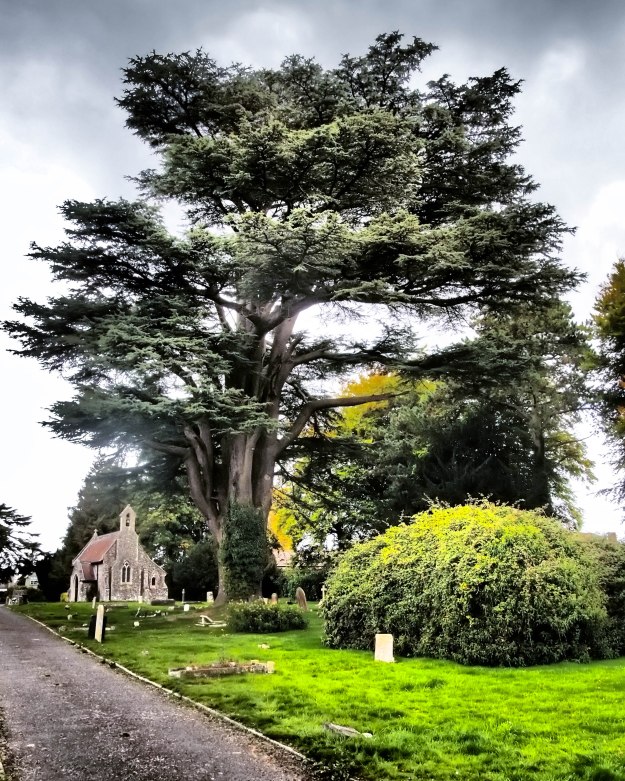
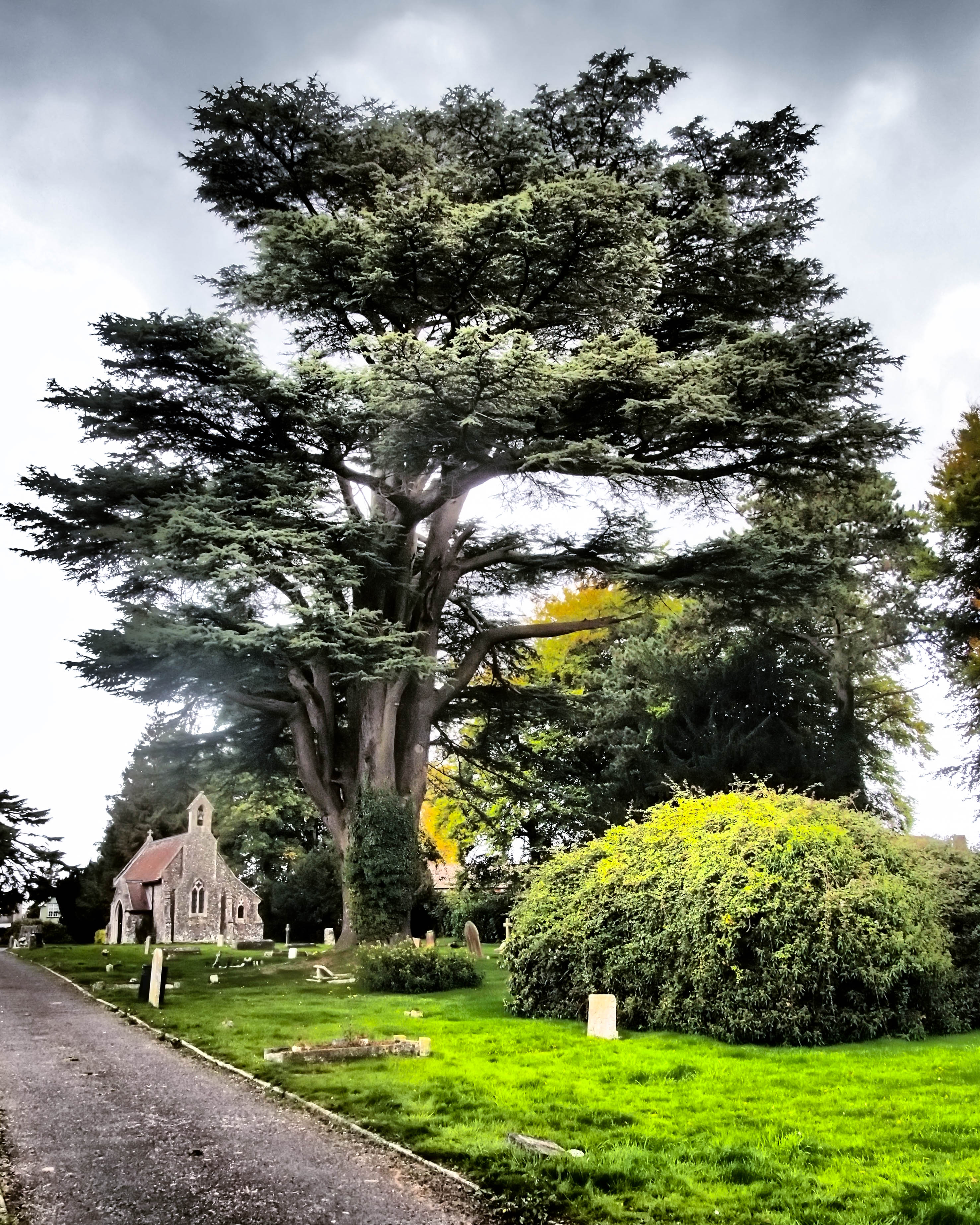
Devizes Road is a busy artery shuffling vehicles to and from the heart of Salisbury. Houses lined like lego on both sides with intermittent shops, occasional commercial garage and the oblitory public house that seem to have seen better days. Frustrated drivers sound their horns as they navigate the obstacle of illegally parked cars, radios and banter from builders, a young tired couple argue intensively whilst their offspring peers out from the relative safety of his pushchair absorbing the chaotic sounds. Built before the advent of mass car use it takes little to bring Devizes Road to an halt, especially when large delivery trucks thunder down towards the city centre ladened with commodities from faraway lands to be sold to ever demanding consumers. Eight brand new cars vibrant and shake like charms on a Pandora bracelet as the truck carrying them slows down. The big beast stops. Its tremors burst along the footpath and cause vibrations under my feet. An elderly resident steps out from her home, closes the wooden gate behind her, looks up at the sky and with no expression slowly walks past me. Opened in 1856, with its small chapel it would only take a flicker of an eye to miss the cemetery on Devizes Road, which is closed to full earth burials.
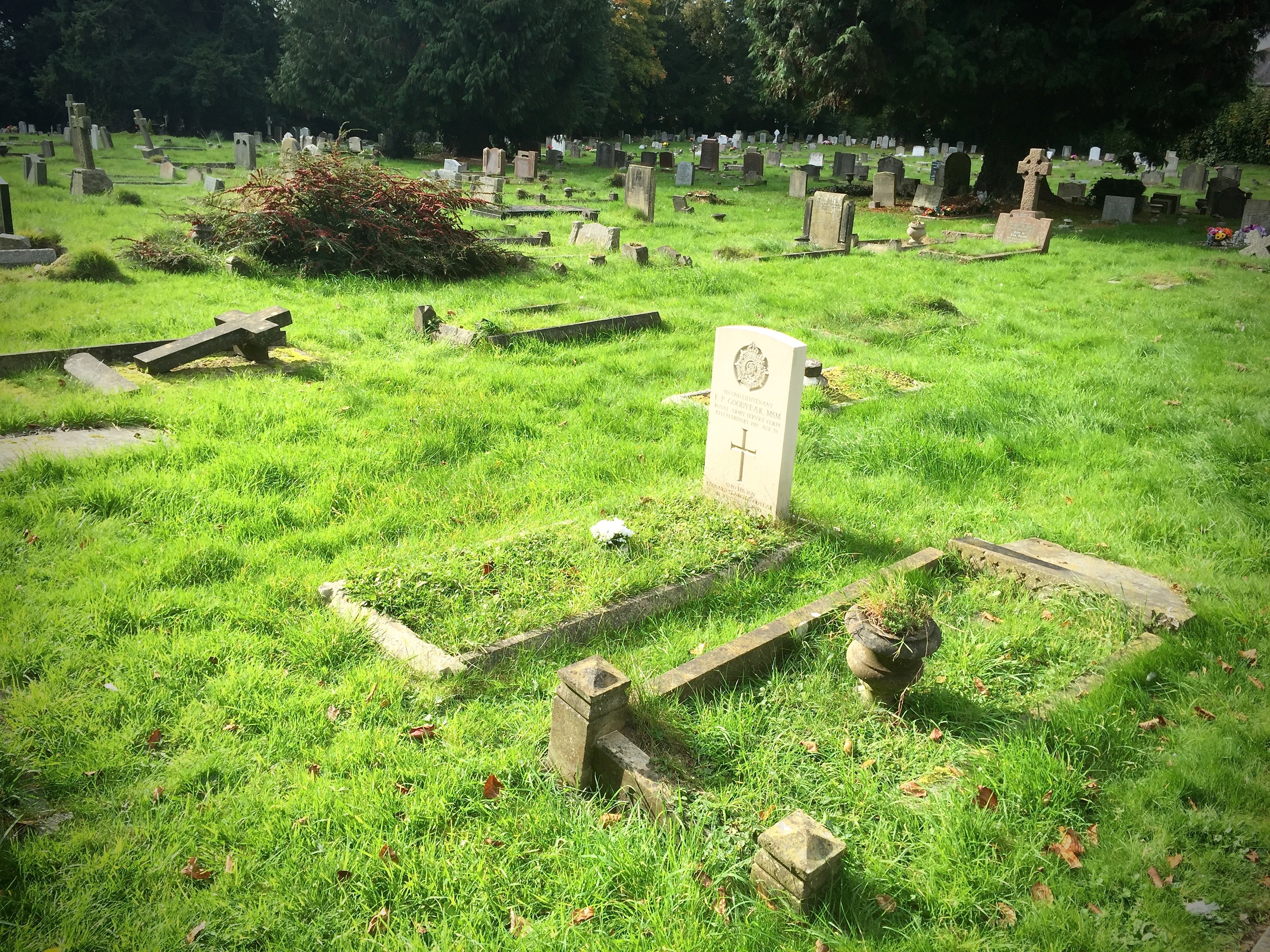
Upon entering its gates one is suddenly embraced by the mythical silence cemeteries bring, which is coupled 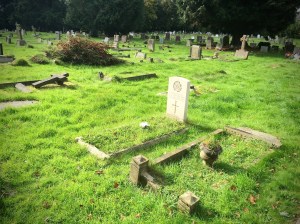 with a feeling of unease and humbleness. So many stories of love, loss and sadness. Husbands, wives, children to their journey’s end. An elderly lady is attending a grave, she is the only person I come across. A childs windmill is spinning, weathered, standing slightly askew, pinned down near a small grave. Sitting amongst the scattered, ageing and often crumbling memorials are new headstones, sand coloured, identical in size and shape. Maybe 30 of them shattered around the site each inscribed with a crucifix, reference number, name, rank, date of death and if known date of birth, “34593 Edward Daniel Curtin, Army Medical Corps, 11th April 1915 Age 21. Second Lieutenant Goodyear….also his son Leonard….” Whatever one things about the cause, process or purpose of war the sacrifices these people have made is beyond calculation. As I walked through the uneven grounds, taking care and pausing to read the inscriptions, trying to imagine the impossible, their fleeting lives, fears, the horrors that they must have witnessed. Towards the rear of the cemetery I find 4 distinctively different headstones marking the resting places for Ulrich Helma, Adolf Dolejš, Antonin Plocek and Richard Hapala. I was intrigued given their foreign names to discover more and so a small journey began.
On the night of the 1st and 2nd July 1941 Ulrich Helma, Adolf Dolejš, Antonin Plocek and Richard Hapala were part of a six-member crew and RAF squadron tasked with carrying out a bombing raid on the port of Cherbourg, northwestern occupied French. Whilst the team was led by Ulrich Helm, an experienced pilot amassing 18  previous air raids the remainder of the crew were young rookies. Their target that night was the Prinz Eugen, a battle cruiser, which had arrived in Cherbourg after leaving the ill fated Bismarck that had been sunk. According to reports there was at least one direct hit, which crashed through the deck of the ship preventing its from leaving port until vital repairs were undertaken. Returning to British shores after their mission the British Royal Air Force picked up the returning plane on radar defence and made several attempts to contact the crew, but with no success. The plane’s identification, friend or foe system, which was designed to make home stations recognise incoming friendly aircraft was malfunctioning. The plane was considered hostile and shot down. The stricken plane crashed at Lower Park Farm, southeast of the town of Mere, Wiltshire. The entire crew consisting of Sgt. Ulrich Helm (pilot), Sgt. Anthony Plocek, (copilot) P.O Richard Hapala, (navigator), Sgt. Adolf Dolejš, (radio operator), Sgt. Jaroslav Petrucha, (leading scorer) and Sgt. Jaroslav Lančík, (rear gunner) died. Ulrich Helma, Adolf Dolejš, Antonin Plocek and Richard Hapala were buried in a Devizes Road Cemetery, Salisbury.

Richard Hapala

Antonin Plocek

Adolf Dolejš (far left standing)

Ulrich Helma
They were all members of No 311 (Czechoslovak) Squadron RAF, which at the end of world war 2 was disbanded as an RAF unit and became part of the reformed Czechoslovak Air Force. That day I walked back home, along Devizes Road opened up my laptop and pieced together this story. 4 brave men who escaped the tyranny of hate spreading across their homeland 1000 miles away in what is now known as the Czech Republic. In these turbulent times we live where we can casually dismiss the suffering of others through the flick of a TV remote we can also easily forget the sacrifices of people like Ulrich Helma, Adolf Dolejš, Antonin Plocek and Richard Hapala who laid down their lives for a better Europe and indeed a better world.




 Irregular Frequencies