Tag Archives: photography

Camera

I don’t remember much from that day—just fragments, impressions—but it must have been summer 1971. I was about ten years old, and Scarborough was the kind of holiday spot that working-class families from the North-East could afford. The battleships of Peasmole Park, the thrill of getting drenched by the high tide, and my stubborn refusal to ride the infamous cable car—these were the threads of so many joyful childhood memories.

But what I vividly recall is my dad calling me over with that quiet authority he always had. He handed me his small Kodak camera and gave a careful demonstration. “I want you to take a photo of me and your mum, son,” he said. “When I say, don’t just press the button—make sure you can see both of us in the picture.”

I stood ready, heart pounding with importance. My parents arranged themselves—Dad leaning casually against the wall, Mum standing beside him, looking like tin rabbits waiting to be shot in one of those penny arcades we used to visit in the evenings.

“Not yet, son,” came Dad’s voice, patient but firm.

He took Mum’s hand and gently pulled her in front of him. She leaned back slightly as he wrapped his arms around her. “Now,” he said.

I pressed the button.

That simple moment—captured in a frame—holds a world of love, care, and quiet tenderness. It’s a picture of two people who built a life together, who gave me roots and wings. And every time I think of that day, I feel grateful for that brief lesson in how to see, how to hold on, and how to love.

Forgotten Spaces

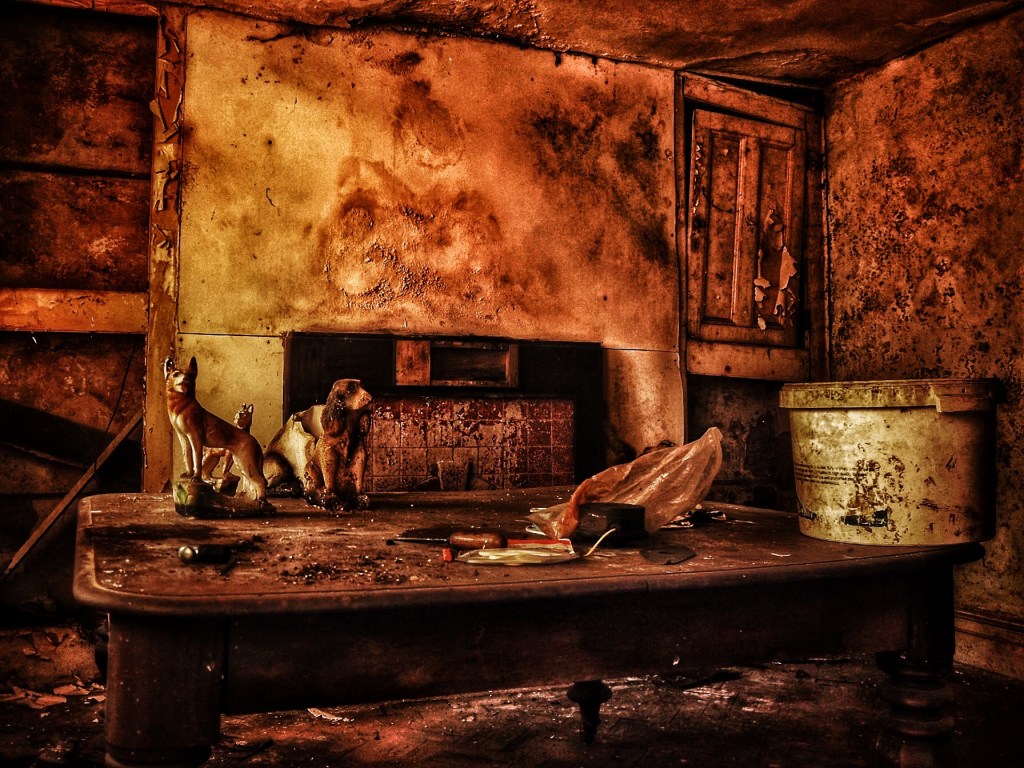
I’ve always been drawn to empty houses, especially those left to decay. This fascination has been with me since childhood, and it resurfaces every time I wander the South West countryside. On these spontaneous explorations, I frequently stumble upon abandoned farm buildings. Crossing their thresholds often feels like stepping into a silent intrusion—there’s a strange intimacy in finding personal items left behind. An old tie hanging in a cupboard recess, a rusted oil lamp on a windowsill—each object quietly holds its own story. They are fragments of past lives, mirrors reflecting not only those who lived there before but also my own memories.

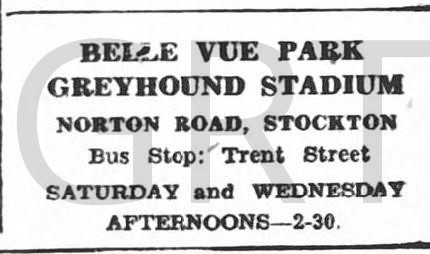
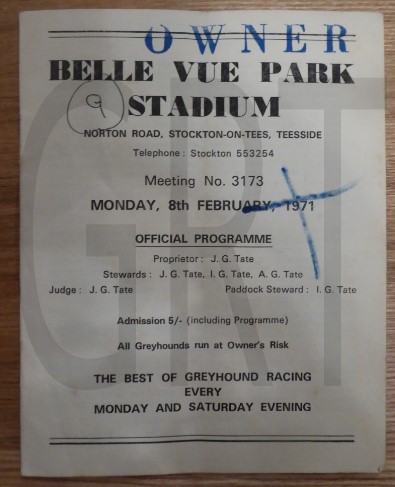
Back in my hometown of Stockton-on-Tees, there was once an old dog racing track—Belle Vue Park—that opened in 1946 and closed around 1974. Nestled within its grounds was a grand old house with a large garage. After the stadium shuttered, it didn’t take long for us kids to find a way in, sneaking under the flimsy fencing to explore this forgotten world.

We raced our bikes around the stadium, chasing the electric course hare that zipped endlessly inside the track as the dogs frantically pursued it. We found our way into the house and offices, discovering the antiquated telecom and public address system. Singing the latest Slade single into the PA, taking turns shouting swear words to rouse the local neighborhood, and inevitably drawing the attention of the police car was our version of mischief and joy.

Belle Vue Park is long gone now, much like the men who once gave us threepence to watch over their cars during race nights. In its place stand rows of tidy two-story flats, filled with inhabitants enjoying their evenings. And yet, somewhere beneath their TV dinners linger the ghosts of memories, the echoes of lives that once pulsed through those grounds.


LIFE IN THE MARGINS

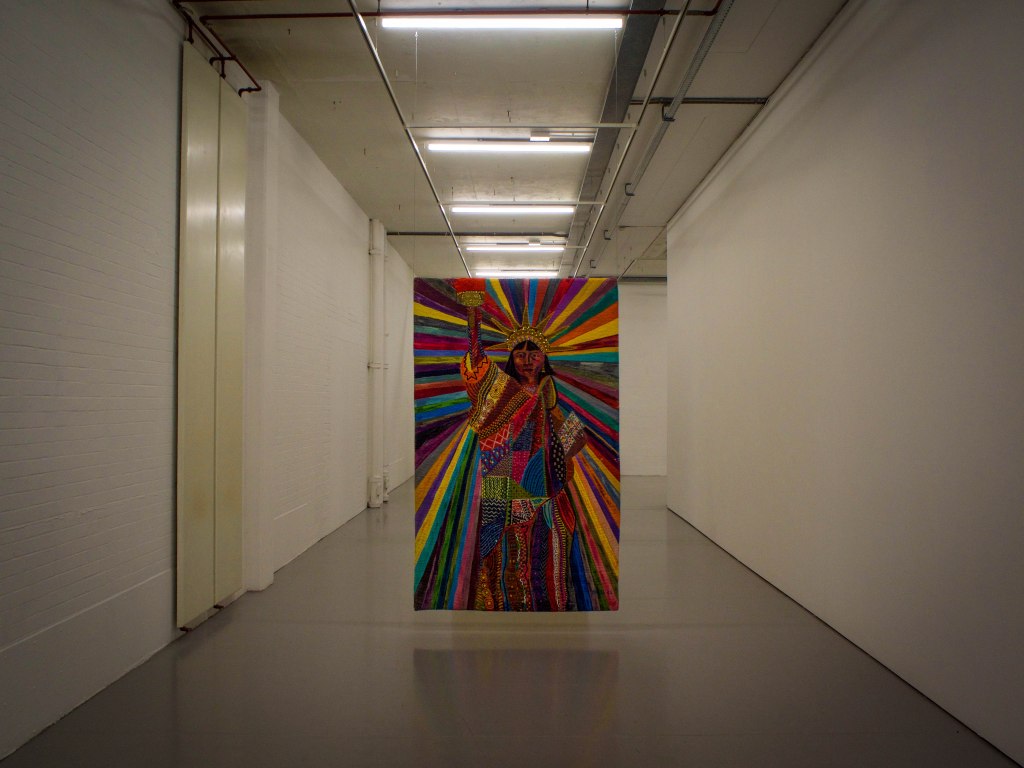
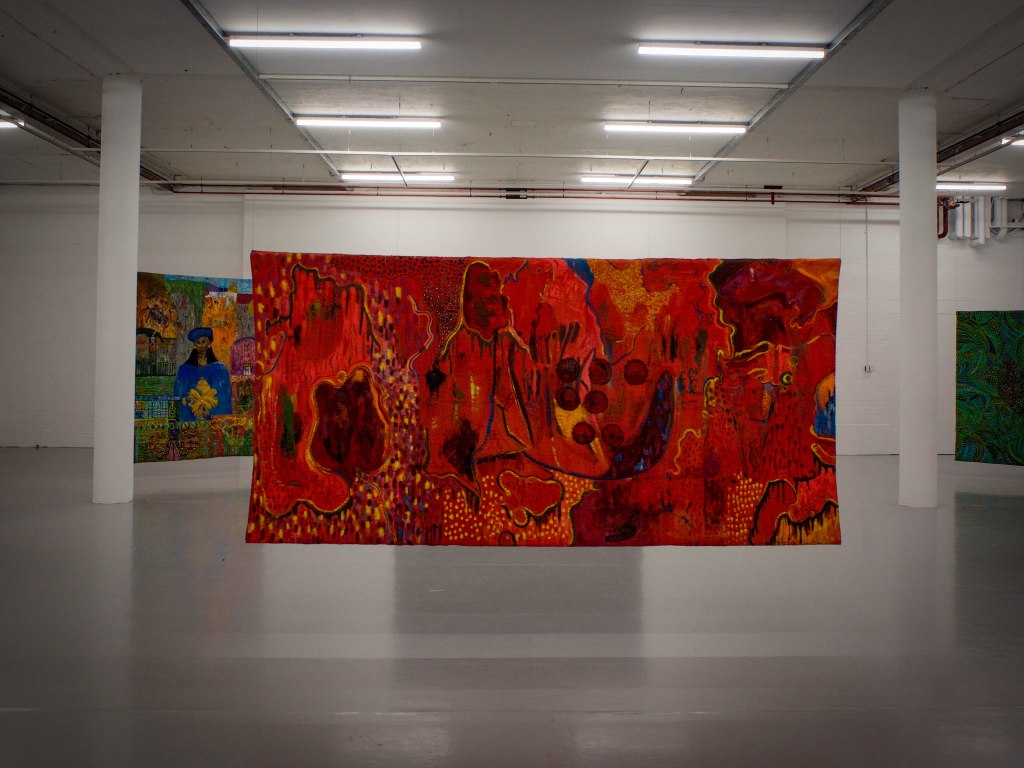
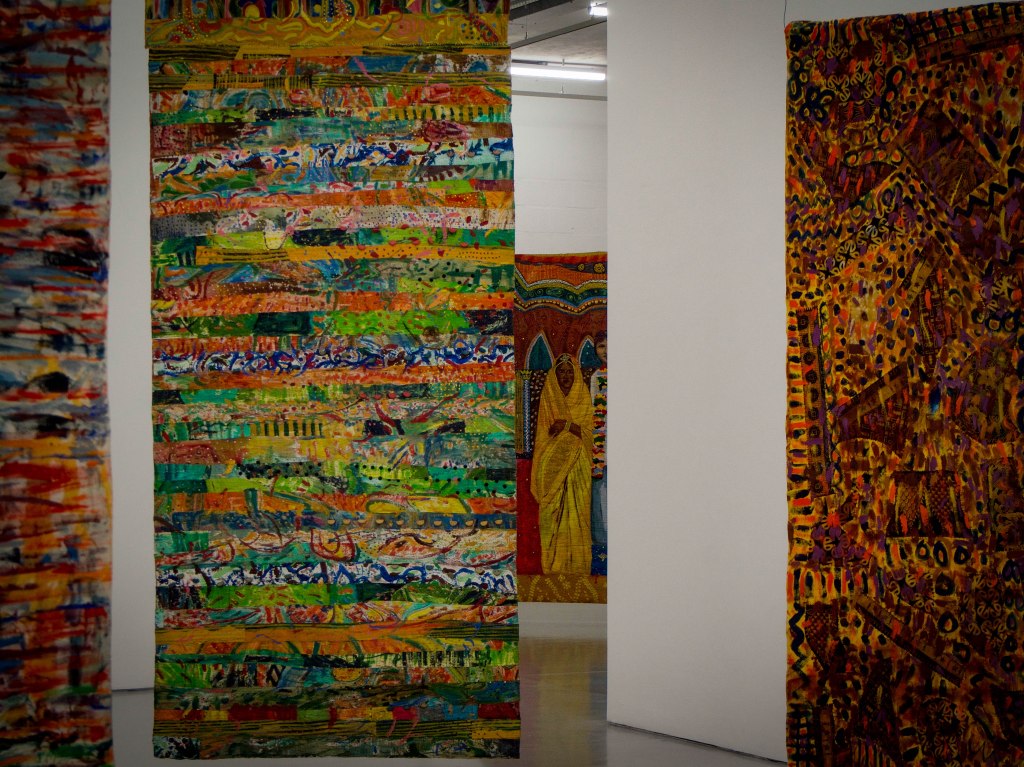
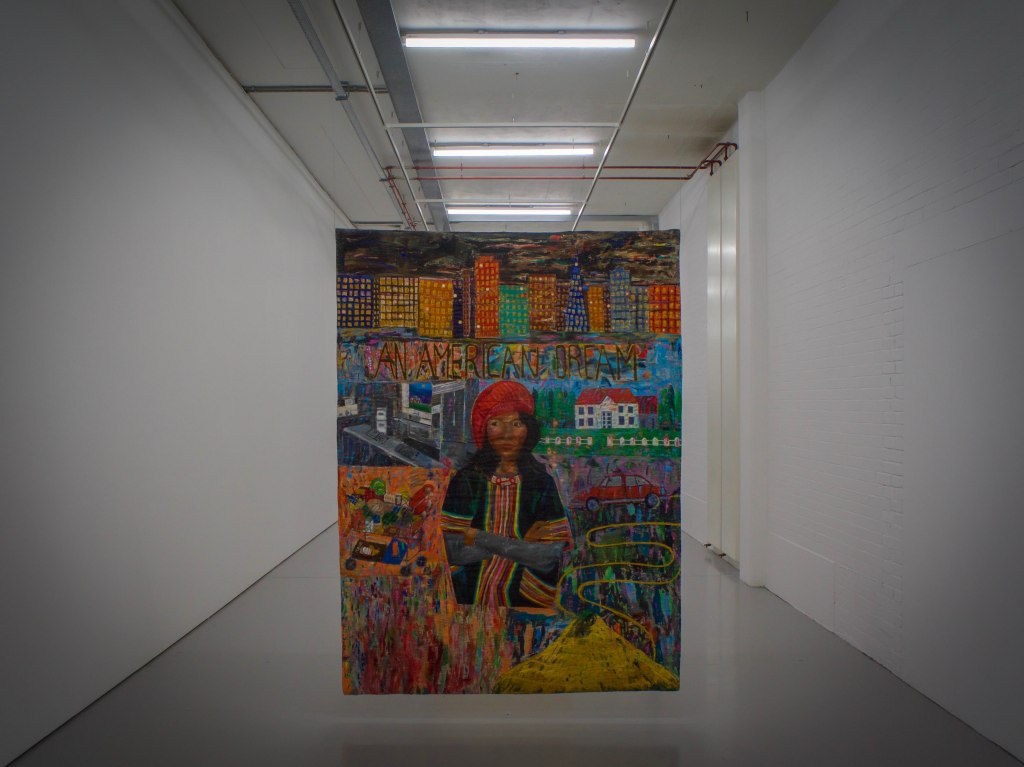
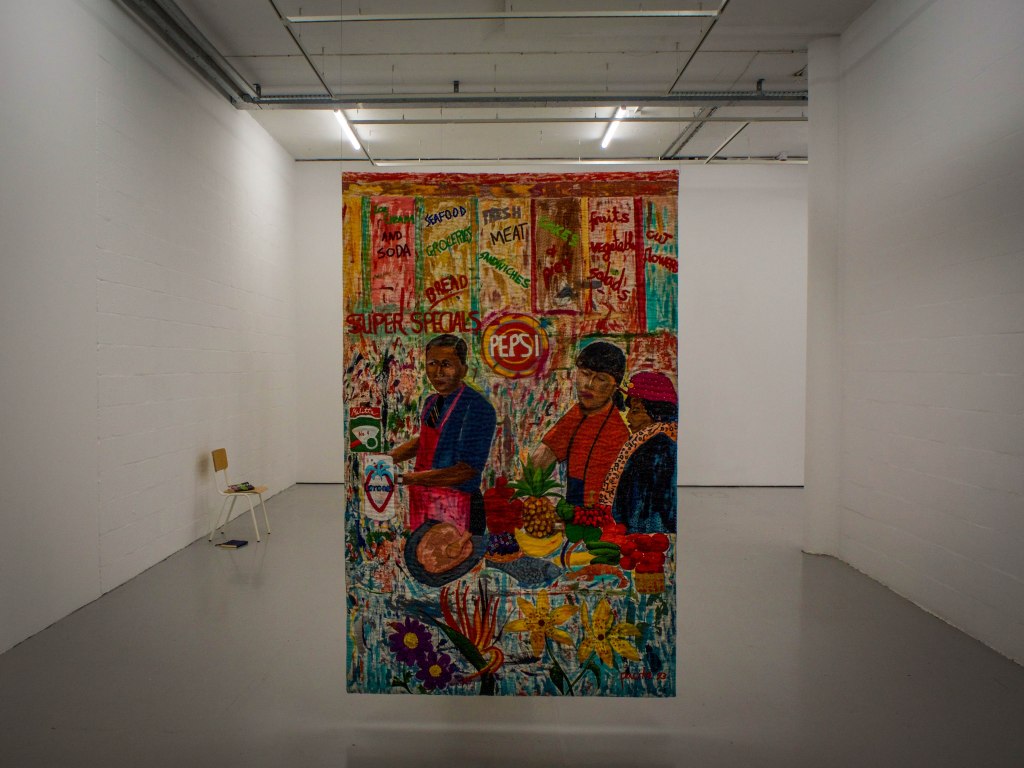
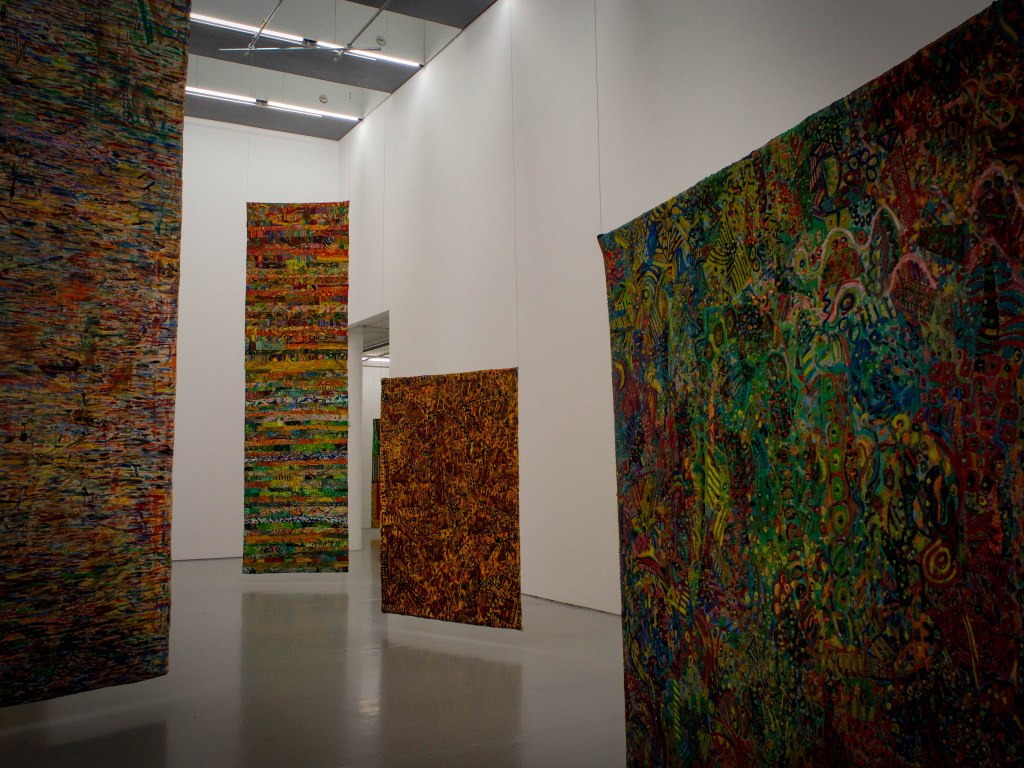
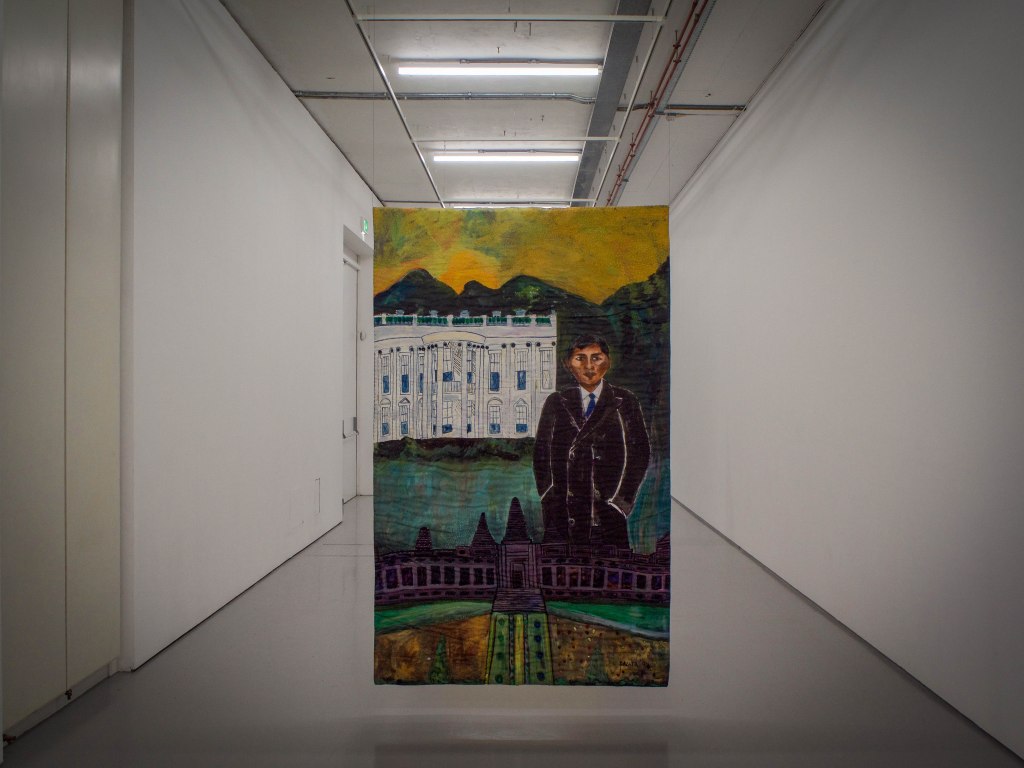
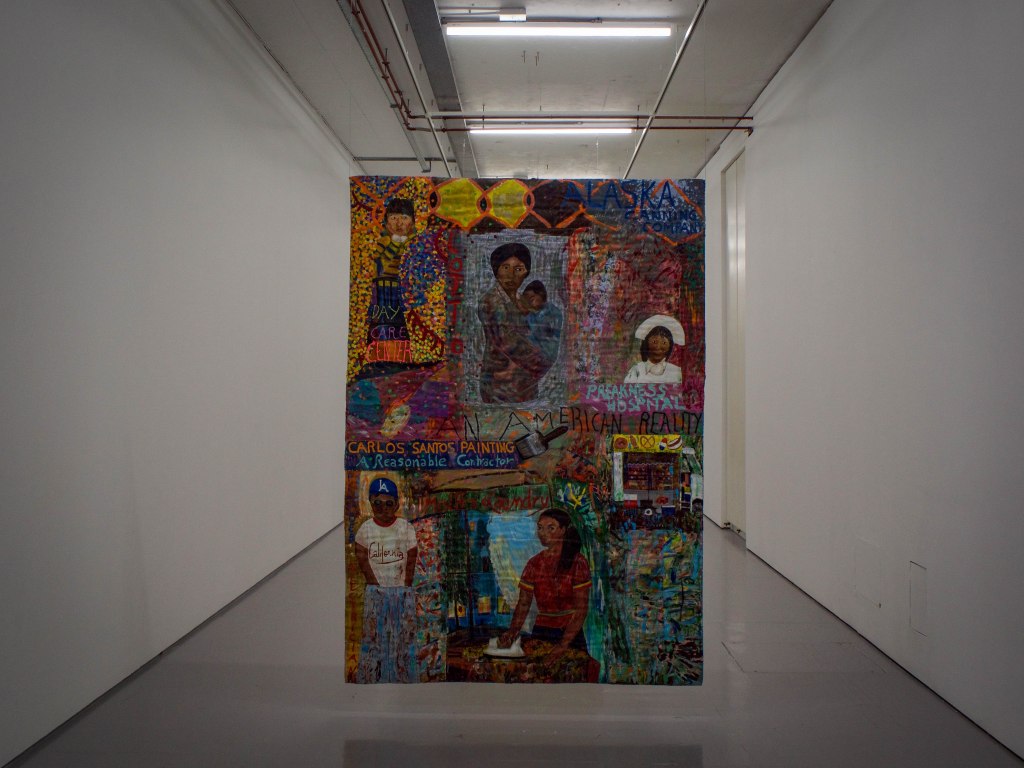
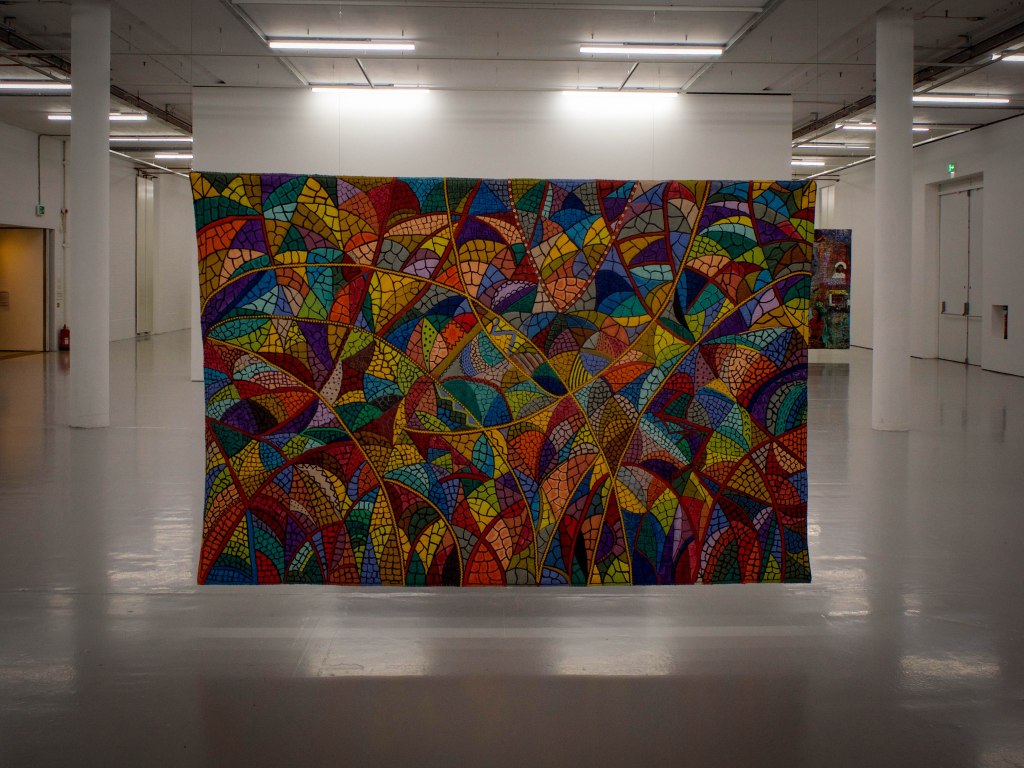
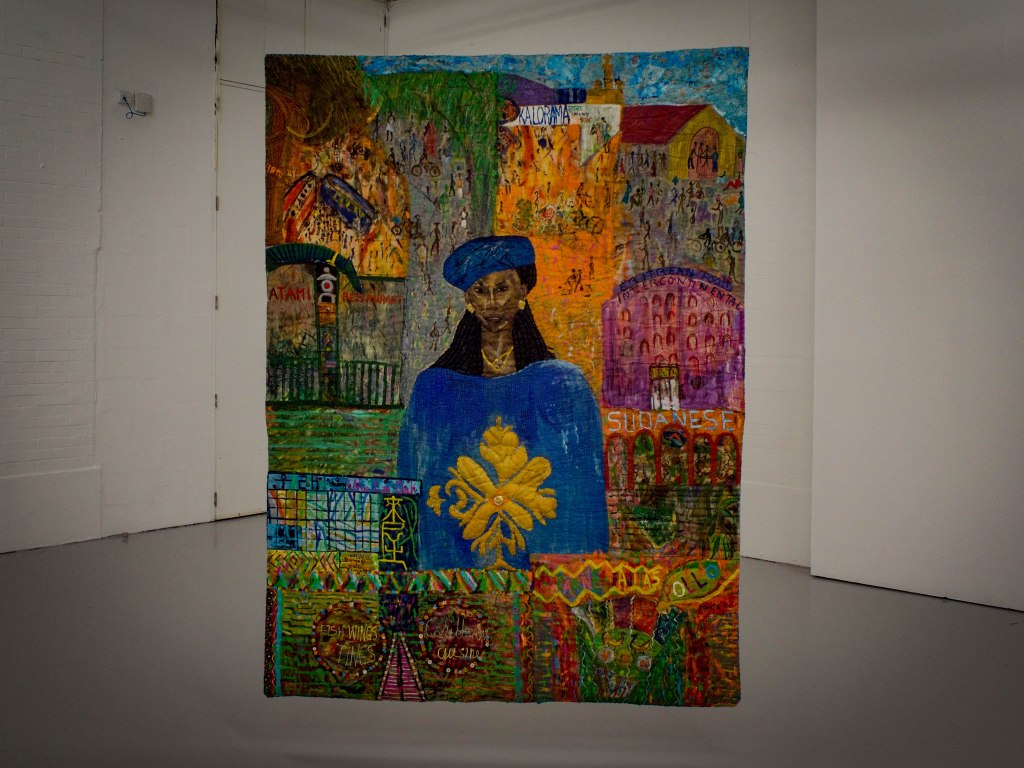
If you find yourself in Bristol before the 5th of April 2020, do not miss the opportunity to visit Spike Island and experience Pacita Abad: Life in the Margins. This remarkable exhibition is a vibrant celebration of the Filipino artist’s daring vision and unflinching exploration of identity, migration, and social margins.

From the moment you step inside, you are enveloped in a kaleidoscope of colors, textures, and narratives that pulse with life and resilience. Pacita Abad’s work, renowned for its intricate patchworks and vivid use of mixed media, challenges the boundaries of traditional art forms while giving voice to those often overlooked by society.

During my visit, I captured a selection of photographs, though they scarcely capture the profound energy and beauty of the exhibition itself. The walls hum with stories of displacement, cultural hybridity, and hope—each piece a testament to Abad’s ability to transform the margins into powerful centers of meaning.

This exhibition is not only a visual feast but also an immersive, thought-provoking experience. It invites you to reflect on the complexities of human connection and the resilience found in lives lived on the edges. For art lovers and curious minds alike, Life in the Margins at Spike Island is a must-see—an unforgettable journey through the vibrant world of one of the most compelling contemporary artists of our time.

Let’s go on a journey and never come back.