From Punjab with Love (and Synths): Vee’s Sonic Postcard
The line crackles, carrying the faint hum of cicadas and the occasional honk of a passing truck. Somewhere in rural Punjab, in a weatherworn telephone booth that’s seen more monsoon rains than missed calls, the ever-enigmatic Vee dials in her latest transmission for Lost in a Wide Open Field.
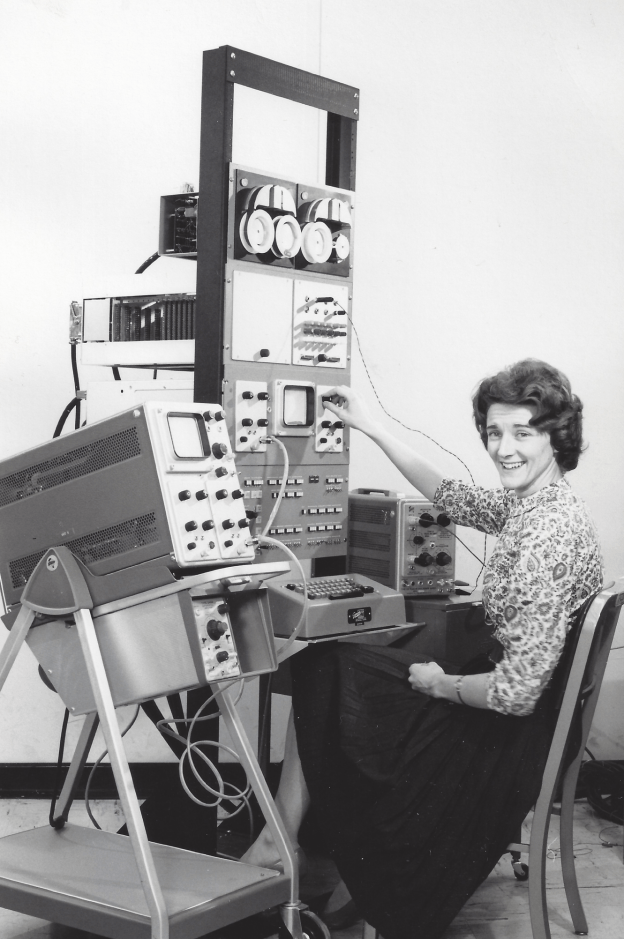
This time, her compass spins toward a single, shimmering point of obsession: the synth. Not the cold, mechanical caricature of ‘80s clichés, but the warm-blooded, story-telling kind — the one that can both punch you in the chest and pull at your heartstrings in the same breath.
Vee’s latest set is a curated constellation: established names whose fingerprints are already etched into the circuitry of modern sound, and hidden gems whose work hums like a secret power source waiting to be discovered. Each track, whether wrapped in neon gloss or stripped to minimalist pulse, celebrates the honourable synth as both instrument and alchemist, capable of turning the mundane into the transcendent.
It’s more than a playlist — it’s a late-night drive across sonic landscapes, from city skylines blinking in electronic Morse code to wide open fields where the stars themselves seem sequenced. And like that crackling phone line from Punjab, Vee’s voice is the tether: intimate, knowing, and just mysterious enough to keep you hooked for the next call.









 Irregular Frequencies