Category Archives: Blog

the Cost of Complacency

Public exposure to government missteps has steadily mounted. Just over a week ago, officials admitted a “communications mix-up” caused the UK to miss a critical deadline to join an EU scheme for acquiring additional ventilators — a glaring failure that exposed the cracks beneath the polished surface.

Until then, No. 10 had appeared ahead of the curve, buoyed by a new Chancellor adept at managing the public message. But such fiscal and rhetorical sleight of hand can only cover so much before the illusion fades.

Let us recall that as early as January 2020, governments worldwide were aware of the severity of COVID-19. Countries that responded quickly — taking decisive early action — now find themselves better positioned to manage the crisis. While no one claims the challenge is simple or painless, these nations report proportionally fewer deaths and have deployed strategies such as lockdowns, clear public health advice, and significant economic stimulus packages to cushion the blow.

At the heart of effective response lies mass testing — a vital tool to hunt down the virus, trace its spread, and impose targeted restrictions where necessary. Germany epitomises this approach, with its rigorous testing programme enabling swift, informed decision-making and a more controlled outbreak.

Herein lies a stark contrast in leadership styles and preparedness between Germany and the UK. German Chancellor Angela Merkel, armed with a doctorate in quantum chemistry, possesses the scientific literacy and intellectual discipline to understand and trust the counsel of experts. Germany benefits from a well-resourced healthcare system and a robust industrial base, equipping it with both the capacity and capability to mount a measured response.

In the UK, by contrast, we have a Prime Minister better known for his populist rhetoric and a penchant for a “pound-shop Churchill” performance than for grounded, evidence-based leadership. This style may rally certain segments of the public but does little to inspire confidence in the complex task of pandemic management.

The consequences are tangible and grave. The government’s hesitancy to ramp up testing, the delayed lockdown, and the absence of clear, consistent communication have all contributed to a response less effective than it could have been.

This is not merely a question of political style but one of lives saved or lost. As the crisis unfolds, the gulf between countries that acted decisively and those that hesitated becomes clearer, with real human costs.

In a moment that demands clarity, competence, and humility, political theatre and spin will not suffice. The UK’s future will depend on learning from these missteps, embracing scientific expertise, and rebuilding public trust — all of which begin with honest accountability.

For those willing to look beyond the headlines and memes, the real story is far from over.

From January to March 2020, the Johnson administration was marked by an unusual blend of unorthodox advisers — a self-styled cadre of “weirdos and misfits.” These mavericks, operating with skepticism toward the traditional Whitehall civil service, appeared to fixate on a controversial and deeply flawed strategy: herd immunity.

It has been widely reported — though the veracity remains debated — that Dominic Cummings, the Prime Minister’s chief adviser, suggested a brutal calculus: “if a few old people die, so be it. The priority is to protect the economy.” Whether true or not, the broader narrative remains clear. During this critical period, Boris Johnson publicly spoke about herd immunity, seemingly advocating for the virus to be allowed to “take it on the chin.” He famously encouraged handshakes in the early days, downplaying the severity of the threat and treating COVID-19 as little more than a seasonal flu.

To understand why this approach was so perilous, we must revisit the concept of herd immunity. Herd immunity occurs when a sufficient portion of a population becomes immune to an infectious disease, either through previous infection or vaccination, thereby reducing its spread. For diseases like measles, herd immunity protects vulnerable individuals because the virus cannot propagate effectively once a critical mass is immune.

Johnson’s inner circle apparently believed that allowing the virus to sweep through roughly 60 per cent of the UK’s population would confer herd immunity and end the epidemic naturally. This “let it run” strategy ignored a fundamental reality: unregulated viral spread risks overwhelming healthcare systems with catastrophic consequences.

With a population of approximately 70 million, 60 per cent equates to 42 million people. Even with a conservative 1 per cent mortality rate, this implies 400,000 deaths. Current estimates suggest the COVID-19 mortality rate in the UK hovers closer to 5 per cent, potentially translating to a staggering 2 million deaths under this scenario.

The moment of reckoning came as the severity of the virus’s impact became undeniable. Johnson appeared to recognize the catastrophic consequences of his initial approach — the misplaced confidence in a herd immunity strategy promulgated by his “weirdos and misfits,” whose disturbing fascination with eugenics seemed to overshadow the immediate imperative to save lives.

While many governments were already mounting decisive responses, Johnson remained caught up in a world of privilege and university nostalgia — social circles where discussions of “progressive eugenics,” a term coined by fellow Tory Toby Young, were not unheard of.

Faced with mounting criticism and an escalating crisis, Johnson shifted gears, retreating from public scrutiny as he isolated due to his own infection. From his confinement, he sought to regain control of the narrative, proclaiming that “testing would unlock the puzzle.”

The question remains: how many lives might have been saved had he acted decisively from the outset, heeding scientific advice rather than political ideology? The early months of the pandemic exposed a fatal combination of complacency, misplaced priorities, and political calculation — a lesson with profound implications for public trust and future crisis management.

Faced with mounting criticism and the stark reality of the crisis, Boris Johnson abruptly shifted course, backtracking on his earlier policies while retreating from public view. Now self-isolating and effectively shielded from scrutiny, he has placed himself beyond direct accountability. From this isolation, he continues to issue proclamations—his latest being the assertion that “testing would unlock the puzzle.”

Firstly, this is not some inscrutable puzzle—it is a virus. Like all viruses, the only way to defeat it is to track it relentlessly and eradicate it. And to do that, you need one critical thing: information. That information comes solely through mass testing.

Secondly, Johnson now appears to be spinning out of control, repeating phrases and ideas he clearly does not grasp. This approach echoes the Trump playbook—repeat a claim often enough, and some will accept it as truth. In times of fear and uncertainty, people crave reassurance, and many will cling to any narrative that offers hope, however unfounded.

Yet, the stark reality is that the UK lags behind other nations in testing capacity. Take South Korea, for instance. With a slightly smaller population, South Korea operates twice as many testing laboratories and processes roughly two and a half times the number of tests per week. This disparity underscores the missed opportunities and the urgent need for a clear, science-led strategy in the UK.

At the end of the day, people have died as a direct consequence of Boris Johnson’s misjudgments and mismanagement. While thankfully the majority will not face the heartbreak of losing a loved one due to these failings, the human cost remains undeniable. Any reasonable observer disillusioned by Johnson’s handling of the crisis may be forgiven for questioning his fitness to lead on the world stage once this ordeal has passed.

This critique targets his policies and competency, not the man himself. I sincerely wish Johnson and his partner a full and speedy recovery.

Don’t Pause the Film

Today would have been my parents’ 64th wedding anniversary. Every year around this time, I share a photograph I’ve taken—not in sadness, but in celebration. A quiet footnote in the annuals of life, where a child pauses to recognise the incredible luck of having good parents.

I’m deeply aware that not every child has that foundation. My heart goes out to those who didn’t. It’s important to acknowledge the world’s failings, but equally vital to honour when things simply go right.

It’s now four years since my Mum passed, and three since my Dad. Yes, I miss them every single day. But I refuse to let that overshadow the lovely people they were—both as individuals and together as parents.

Life was never perfect. And I never got to fulfill those later-life plans I dreamed up for them. Time is a bugger like that—the one resource we so often take for granted, yet always runs out too soon.

If life is a film:

Don’t pause it.

Don’t rewind it.

Live it.

Embrace every frame as if it’s the last before the credits roll.

And remember—you don’t get to write those credits.

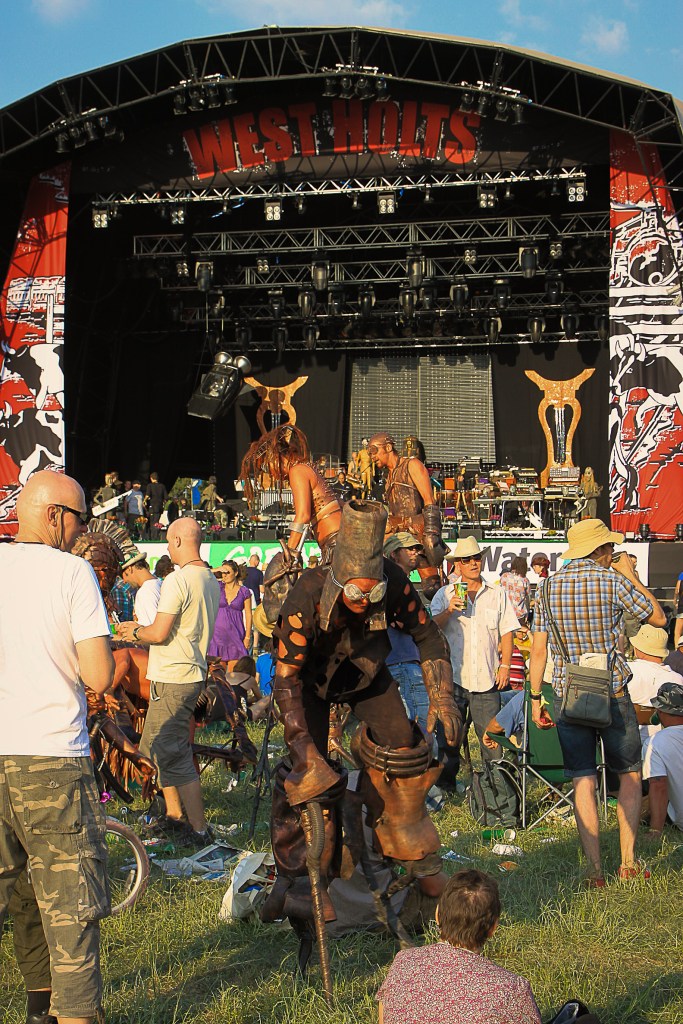
After all, what is a festival or concert without its audience, but an empty field or room? The communal celebration as a gathering of people engrossed in the celebration of music has no equal. Attempts at explanation fall short, words expressing themselves as self-indulgent jibberish, yet we know that sense of connection is real. A short period when I become us. The moment of realisation that a single purchase sitting amongst a collection, the downloaded file occupying your hard-drive, or a streaming code reassembling itself on your mobile is connected to a community. It’s the discovery of a new sound, the uncertainty and doubtful expressions shared with a stranger. The connection and consciousness that we share much more in common than what divides us.

A collection of West Holts audience photographs taken during the 2017 festival. 

Tonight the Streets Are Ours

By 1963, Duane Eddy had already etched his name into music history, having sold over 12 million records—an astonishing feat that marked him as one of the true pioneers of rock ‘n’ roll guitar. What makes the West Holts Stage so uniquely special is its ability to bridge generations through music. It’s a place where the legends who may have slipped quietly past the radar of younger audiences can still shine brightly, and where emerging artists step forward to pay homage to those who shaped their own musical journeys.

On Sunday, 26th June 2011, this beautiful tradition unfolded in a memorable moment when Richard Hawley, a modern torchbearer of guitar-driven storytelling, joined Duane Eddy on the West Holts Stage. Together, they created a magical celebration—a meeting of past and present, respect and inspiration, showing how timeless influence can be when true artists come together.

Sound Propagation

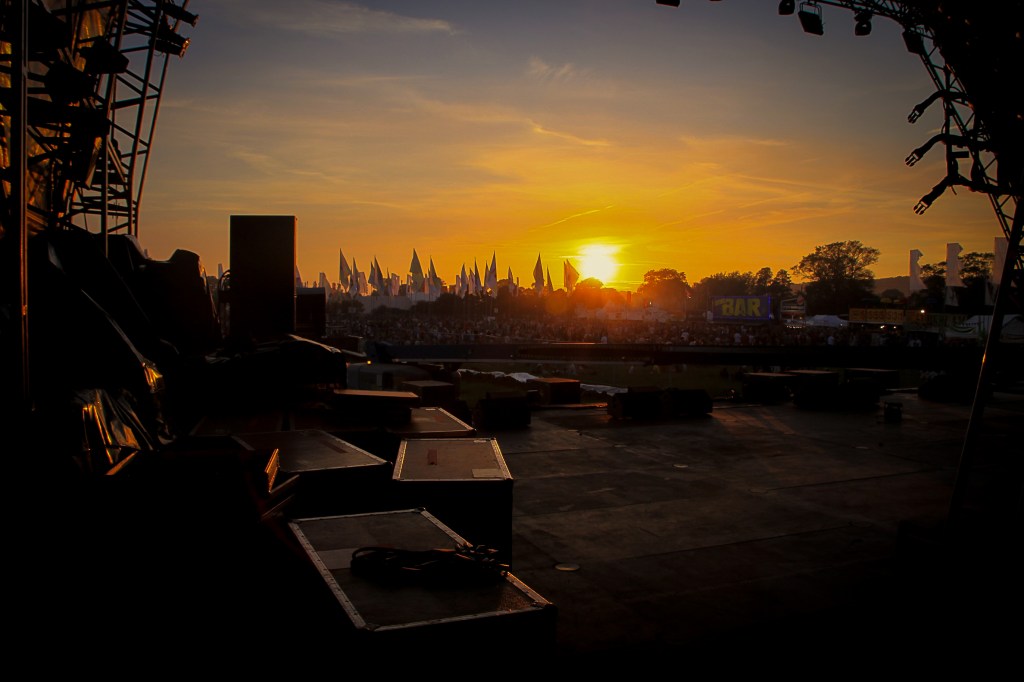
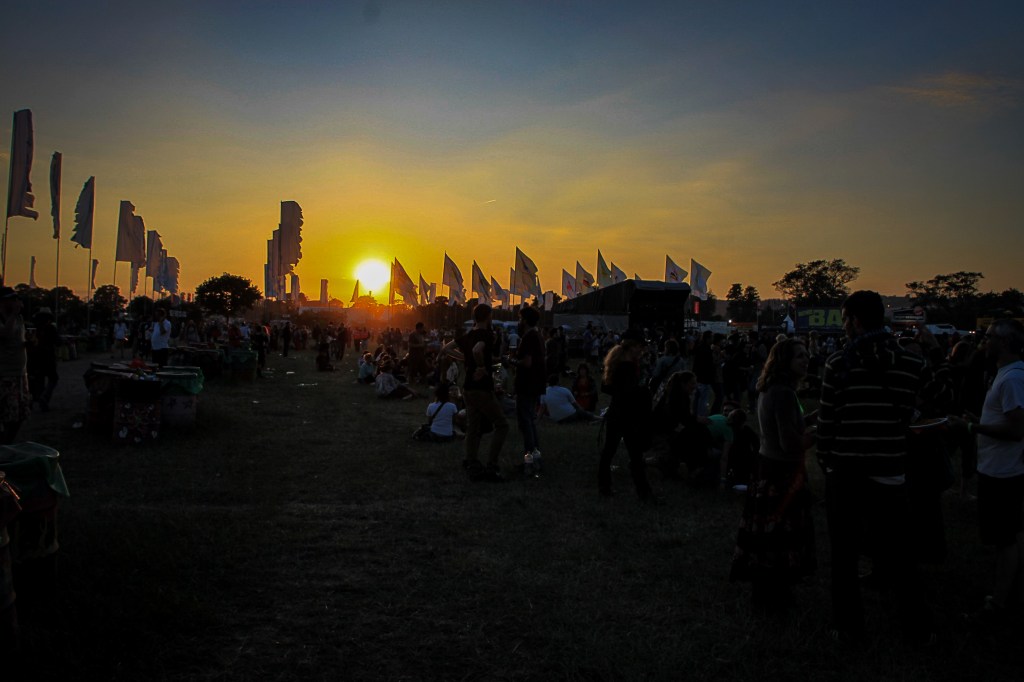
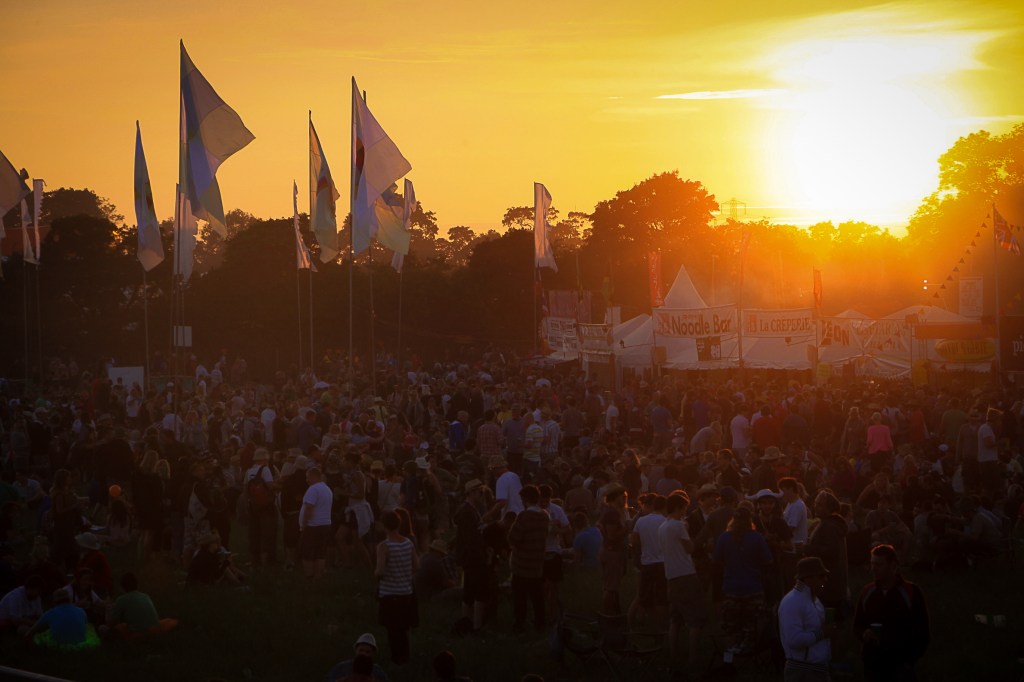
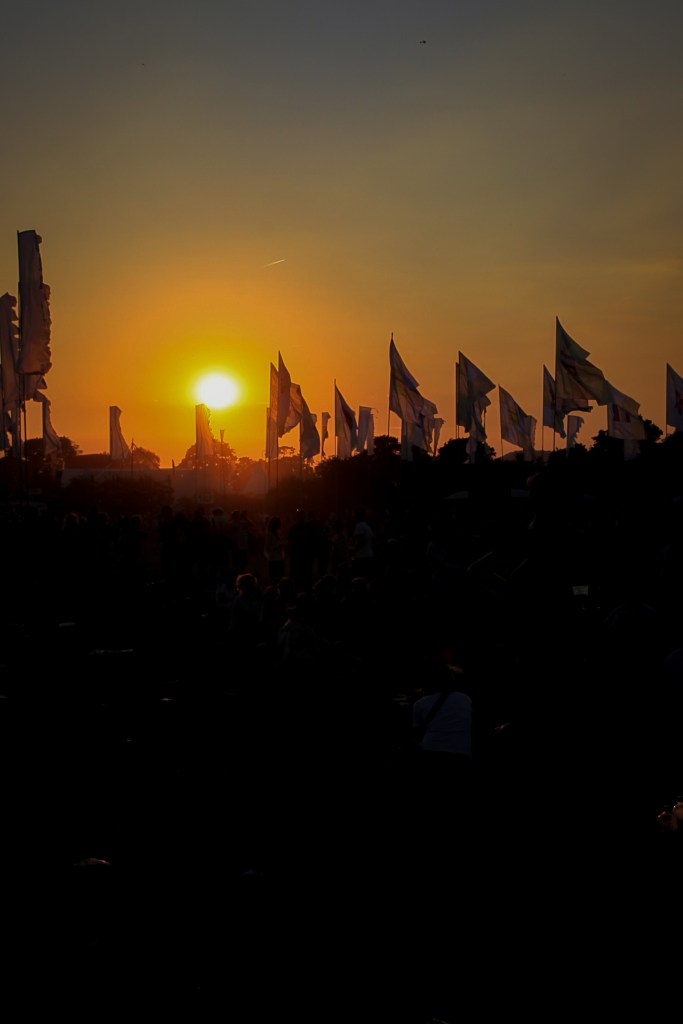
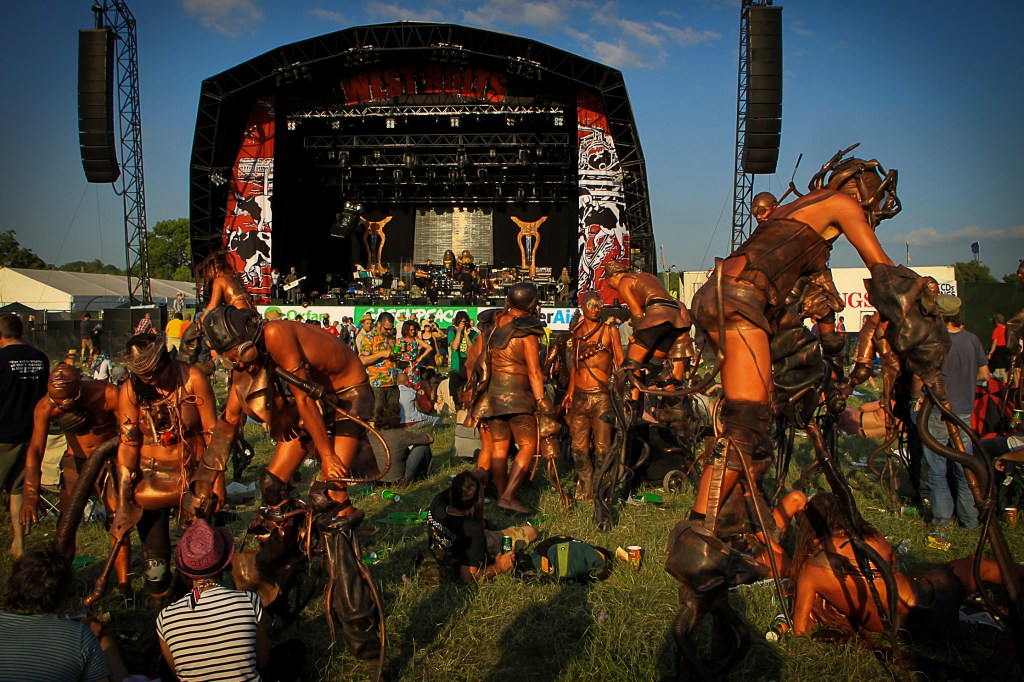
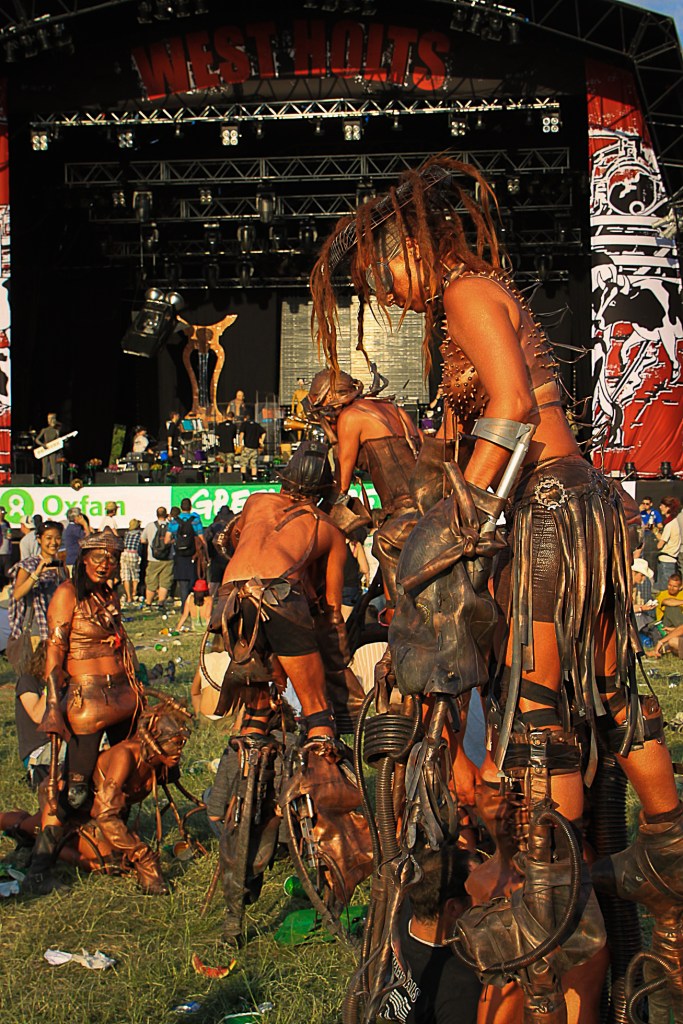
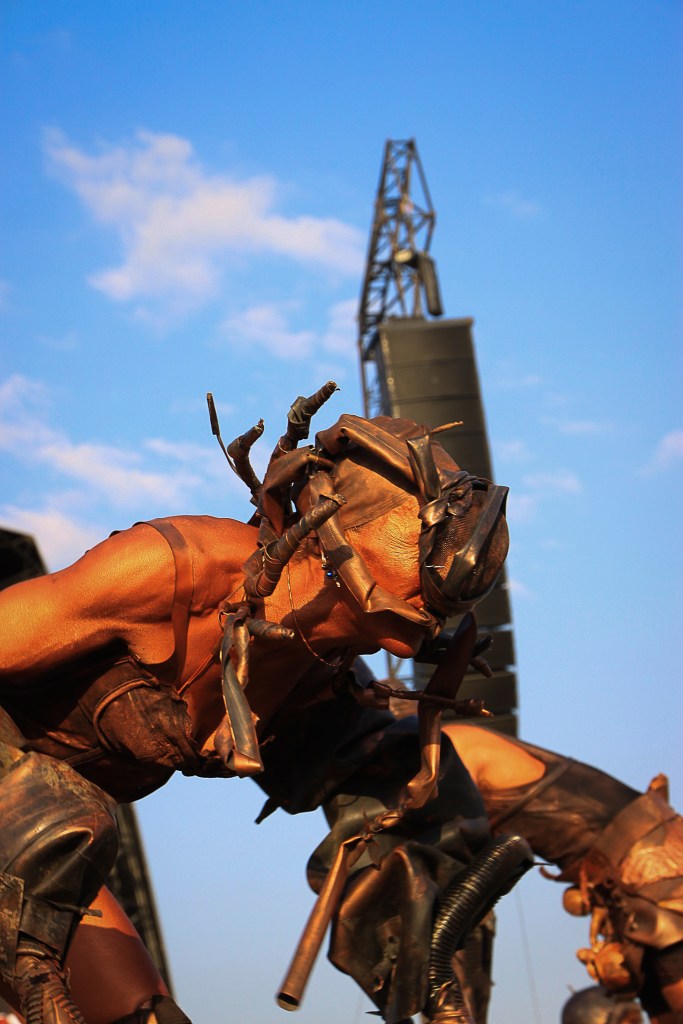
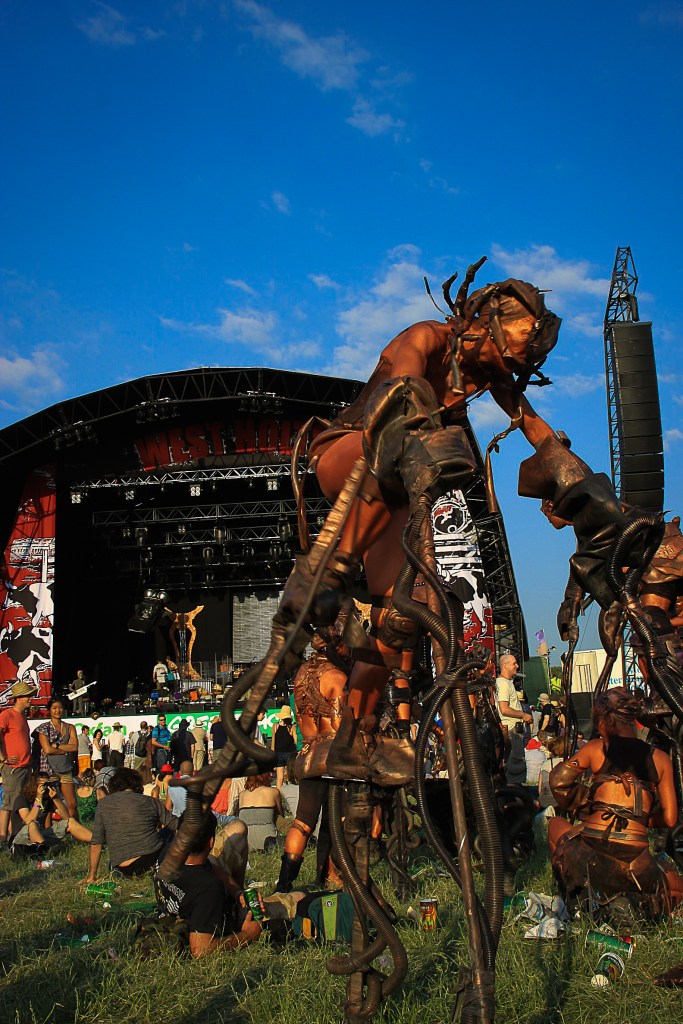
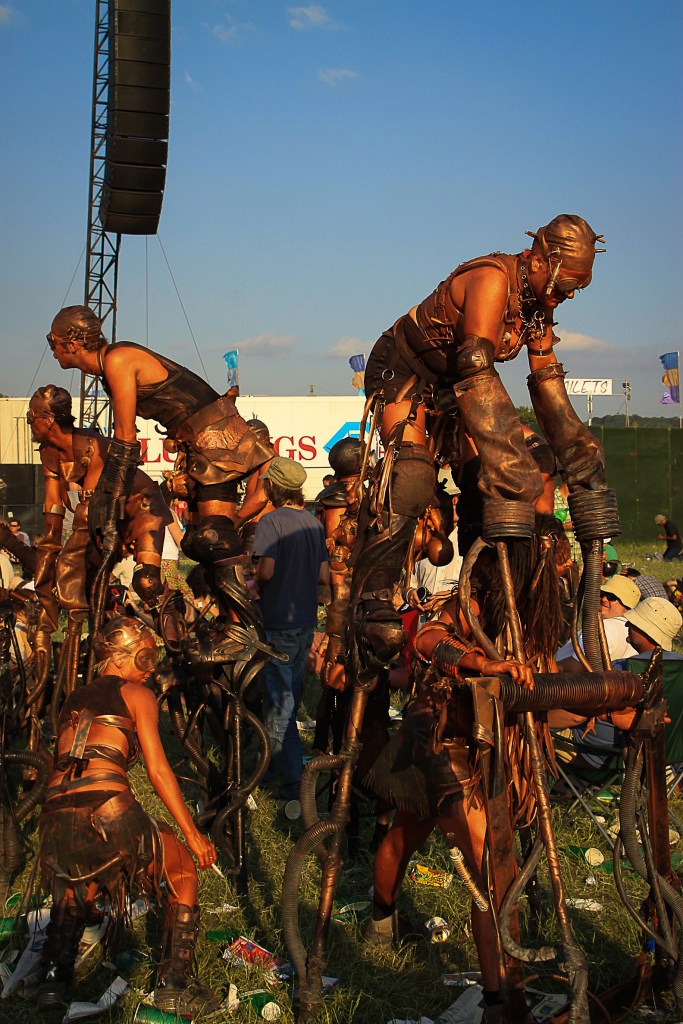
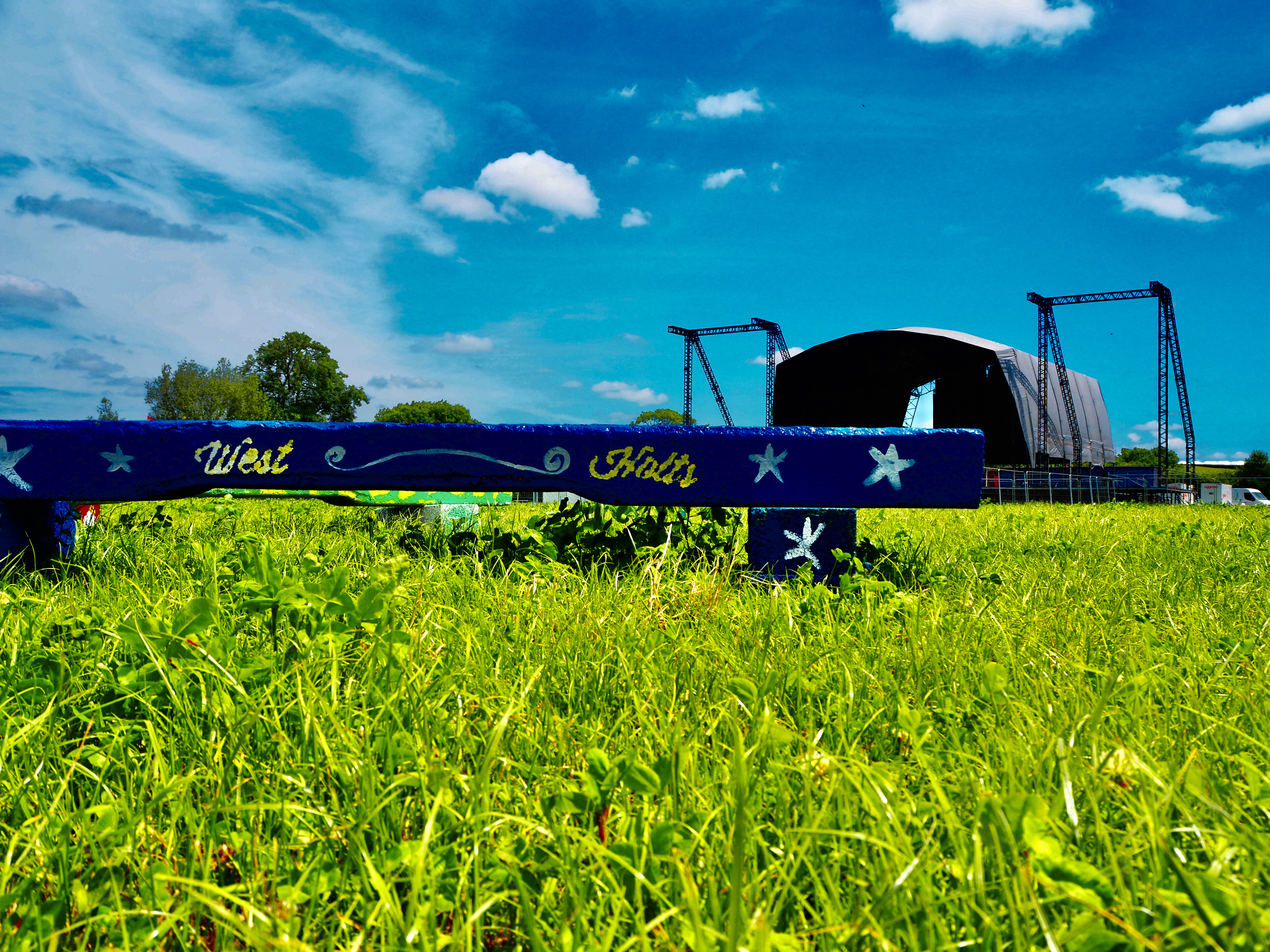
The heat of June settles over the fields as the crowds begin to gather for the beloved West Holts ritual: a crisp cider in hand, catching up with old friends, and hunting down something delicious to eat. These photographs, taken on a Thursday in 2010, capture a moment just before the magic unfolds. The stage is 99% ready for the opening band the next day, and the air hums with a quiet anticipation. As the sun dips lower, a gentle chill rolls in, coaxing everyone to shed the weight of their everyday lives and ease into the festival spirit.

There’s a special moment here that the crew hold dear — the Sound Propagation Test. Usually happening early Thursday evening, once the PA rig is set up, it’s when the system is fired up with some recorded music for a short while. To the crowd, the first notes crackling through the speakers ignite a cheer — for some, it’s like a medieval horn, a beckoning call to gather and celebrate. It’s the unofficial signal that West Holts is coming alive.

Jazz

The transition from Jazz World to the West Holts Stage happened in 2010 — a year that, digging through old hard drives, clearly lives up to its memory as a scorchingly hot summer. The photos from that time reveal a festival crowd not just ready to soak up the music but also inventively deploying every creative means to find—or fashion—their own patch of shade. We’ll dive into those sun-smart snapshots soon enough, but for now, let’s start here.

That year marked a turning point behind the scenes, with a series of technical upgrades introduced to support our ever-growing audience. The stage itself saw fresh new dressings that added a fresh visual flair, though the much-anticipated side screens were still absent. The evolution was underway, setting the stage for what West Holts would soon become.

Black Moon

The last time we spoke, beneath a moon swallowed whole by night—a black orb hung heavy in the sky. Cold whispered beneath our feet, pebbles shifting softly as we walked toward the water’s waiting edge. Darkness wrapped us, a cloak sewn from all the miles we’d traveled, each step a silent testament to the journey that brought us here. Around us, breath and tide held sway—the gentle sigh of waves kissing shore, the murmured dance of rigging ropes, swaying in time with restless waters.

And then—

in the stillness between heartbeats,

our thoughts, like fragile boats,

paused on the horizon.

“These moments don’t last forever,

and nor should they,” you whispered—

and with that,

our last words floated out

to mingle with the night.


Wheels Turning

Reflections on Conservative Britain Then and Now. There is no greater truth in politics than the inevitability of cycles: what goes around, ultimately comes around. For those disillusioned and dispirited by the current state of British politics, this should serve as a cautious reminder rather than a consolation. Many look back through rose-tinted lenses at the Conservative-Thatcher era of the 1980s—the decade when the unleashed dog of unfettered greed barked loudest and reshaped the nation. But forty years on, striking parallels emerge between that turbulent era and the present day.

I grew up in the North East of England—the so-called heartland of Labour’s “red wall,” a phrase that lazy political commentators brandish with little understanding, whether from London studios or the steps of Downing Street. Yet right-wing, working-class patriotism has long been a complex, often overlooked reality behind those walls, just as it exists behind the so-called “blue wall” of places like Christchurch.

Then as now, the Conservative Party has regularly installed leaders from its elite ranks—born into privilege and crowned by birthright—whose personas are carefully crafted by spin doctors and advisors. In the 1980s, that leader was Margaret Thatcher; today, it is Boris Johnson, a man who revels in the performative trappings of populism—driving garbage trucks, swapping banter with his flat-capped mates in local pubs, and railing against foreigners across the Channel.

But the 1970s and ’80s in the UK were far more than fashion trends, pop music, or flashy consumerism. Beneath the neon lights and padded shoulders, they were a period marked by social fracture and violent unrest. Poverty soared, the gap between rich and poor widened to unprecedented levels, and cities like Brixton, Liverpool, Leeds, Manchester, and Birmingham erupted in protest and revolt.

The death of Blair Peach, killed by the Metropolitan Police’s Special Patrol Group—an infamous unit operating with near impunity—exemplified the brutal state repression of the time. Laws such as the Vagrancy Act 1824 and Clause 28 exploited ignorance and fear, targeting marginalized communities, particularly LGBTQ+ people.

Meanwhile, Thatcher’s government forged cynical alliances with apartheid South Africa, welcoming its leaders as friends while extremist voices within the Conservative Party—some linked by business interests—denounced the African National Congress as terrorists. Calls for the execution of Nelson Mandela echoed at party conferences as violence and unrest shook the country again in 1990 with the poll tax riots. A pattern repeated decades later in 2011 under David Cameron, when riots once again gripped cities across the UK.

Today, the script may be updated, spun, and tailored for the digital age—disseminated through targeted social media ads and disinformation campaigns—but the underlying narrative remains unaltered. The Johnson administration is testing boundaries, deliberately stoking tensions to gauge resistance. The deportations of Jamaicans under his watch echo the playbook of reactionary populists like Trump—dividing communities to consolidate power.

Johnson is a puppet, complicit in a reactionary political project funded by billionaires and oligarchs intent on destabilizing oversight and accountability—most visibly through their war on the EU. Unfettered greed, history tells us, will ultimately self-destruct, but not before poisoning the social fabric in ways that will take years to undo.

Looking back to the 1980s and placing them in today’s context, it is clear that the extent of the coming damage depends largely on the resistance of the younger generations. Until that resistance crystallizes, Johnson will continue to push forward, indifferent to the social consequences. Violence and unrest may not be the inevitable outcome, but given the Conservative Party’s track record, any fallout is too often treated as mere collateral damage.

The wheels keep turning—and so must we, with vigilance and resolve.