Tag Archives: Bristol

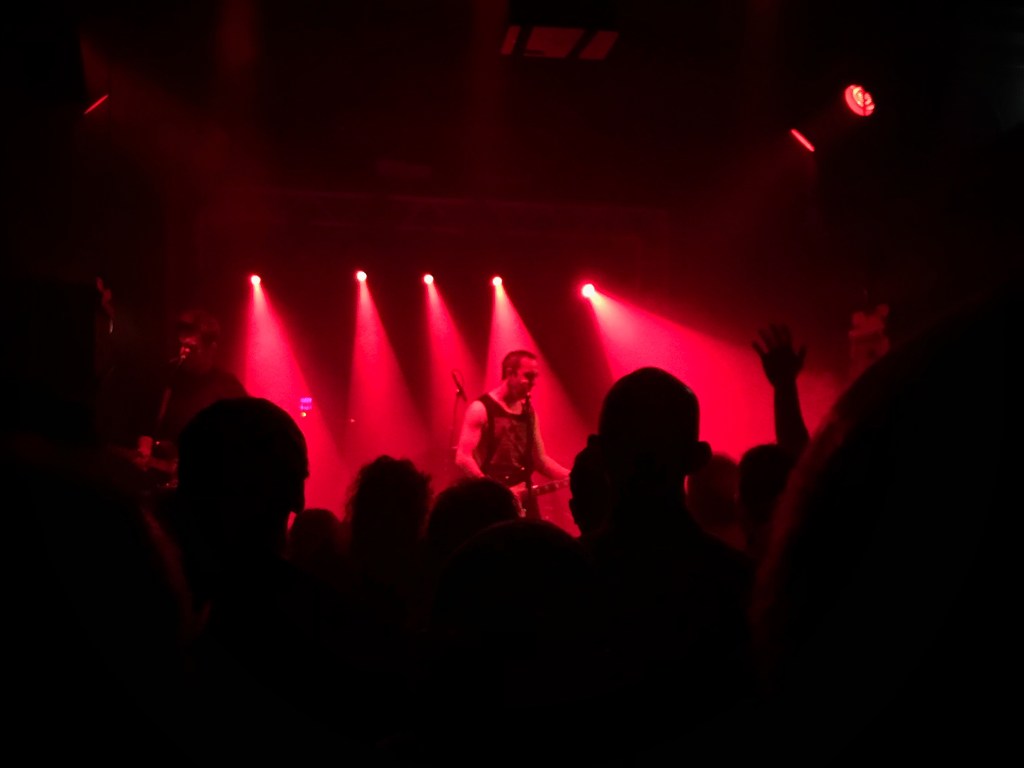
Glasvagas: The Thekla, Bristol 17.10.18

— a vessel both unforgiving and electrifying.

For those who haven’t yet experienced the raw, gritty soul of Bristol’s Thekla, imagine an old ship moored deep in the Mud Dock, its wooden bones creaking under the weight of decades of music history. Bands who step on its stage shed any illusions of comfort — there’s no hiding here. Over the years, I’ve witnessed countless artists emerge from bedrooms, garages, and studios only to have their craft tested, stretched, and laid bare against the harsh, unforgiving elements of this floating fortress.

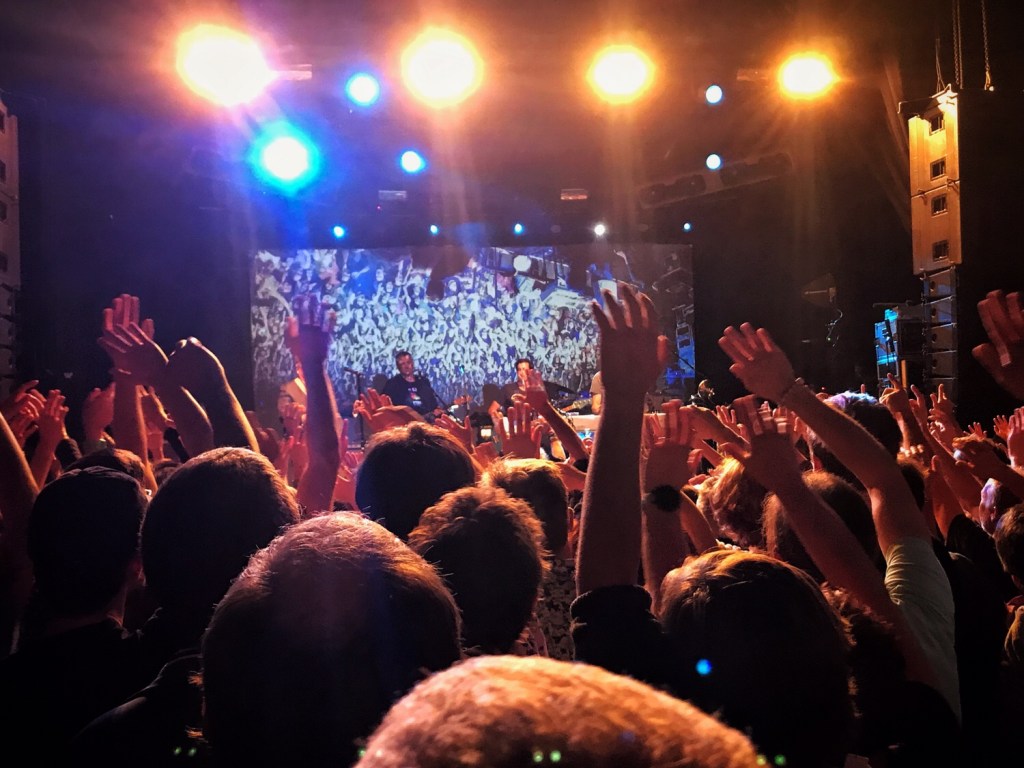
Tonight, the atmosphere buzzes with a tangible electricity. The 400-capacity room is packed to the rafters, a sell-out crowd buzzing with anticipation for Glasvegas—a band returning to the stage to perform their self-titled, platinum-selling debut album from 2008 in its entirety. A decade has slipped away since that landmark release, yet the album still resonates like a classic, effortlessly blending layers of swirling guitar feedback with harmonies reminiscent of the Ronettes. Frontman James Allan’s lyrics—brittle, raw, and steeped in loneliness, love, and loss—cut deep, proving timeless in their emotional weight.

From the moment the first chords ring out, there’s no sinking into the depths tonight. The opening thirty minutes unfold as near-perfect rock ‘n’ roll theater—tight, passionate, and filled with a palpable urgency. As the night progresses, something extraordinary happens. Four hundred voices rise in unison, singing word for word, line for line. The crowd’s devotion is so overwhelming that the band themselves pause, stepping back from their instruments to soak in the moment, the feedback, the powerful connection.

Glasvegas hasn’t just played their seminal album—they’ve resurrected it, reminding everyone in the room why this record still matters, why these songs still cut to the bone. Tonight, the old ship didn’t creak under the weight of nostalgia—it soared.


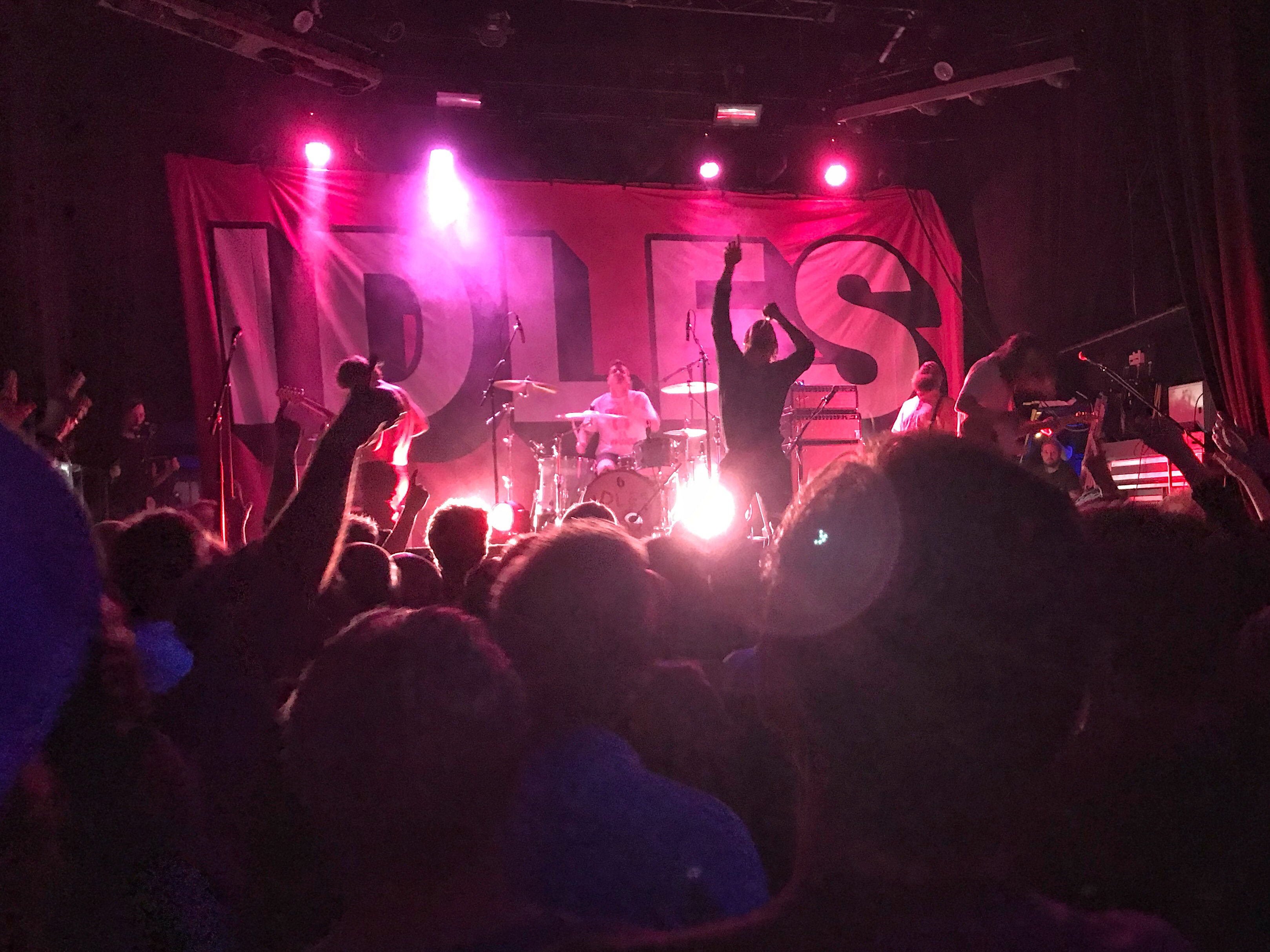
Idles, Bristol SWX: 16.10.18

Ding, ding — round two. Back in the ring with Idles.

After first catching their incendiary performance on April 8th at the Komedia in Bath, six months later it’s clear: this band is on a rocket-fueled trajectory. Since then, Idles have dropped their second album, smashing into the UK Top Five, stormed the globe on tour, flooded TV and radio waves, and now, with a sold-out UK tour under their belt, they’ve firmly cemented themselves as the most vital band to emerge from these shores in recent memory.

Tonight, at SWX in Bristol, the volume is cranked, the pace relentless. Support band, Heavy Lungs impress with their raw, jagged sound, but it’s clear where the night’s true pulse lies. Idles tear through their set with the manic energy of the Village People on acid — chaotic, exuberant, utterly uncontainable.

At Bath, their live energy carried them through, but here? With an ever-growing and wildly responsive crowd, their confidence is sky-high — and rightly so. It takes guts to invite fans onstage; it takes pure, unshakeable confidence to hand over your instruments to them. What follows is glorious mayhem — a glorious, beautiful shambles — feeding the band’s raw, unfiltered energy, making this performance feel like a living, breathing beast.

There’s a rare and electric bond between band and audience tonight, a connection that harks back to punk’s wild heyday in the late ’70s, or the anarchic stage invasions at early Smiths gigs. Idles shows are celebrations of life — raw, flawed, unapologetic — a much-needed antidote in an era where hate and division have become disturbingly mainstream.

Sure, rock bands have always had their audiences eating from their hands. But in today’s sterile, overproduced musical landscape, it’s a rare gift to witness a band that means more than just the product they sell. Tonight, that gift belongs to Idles.

Thank fuck for Idles.

Narrow Screen

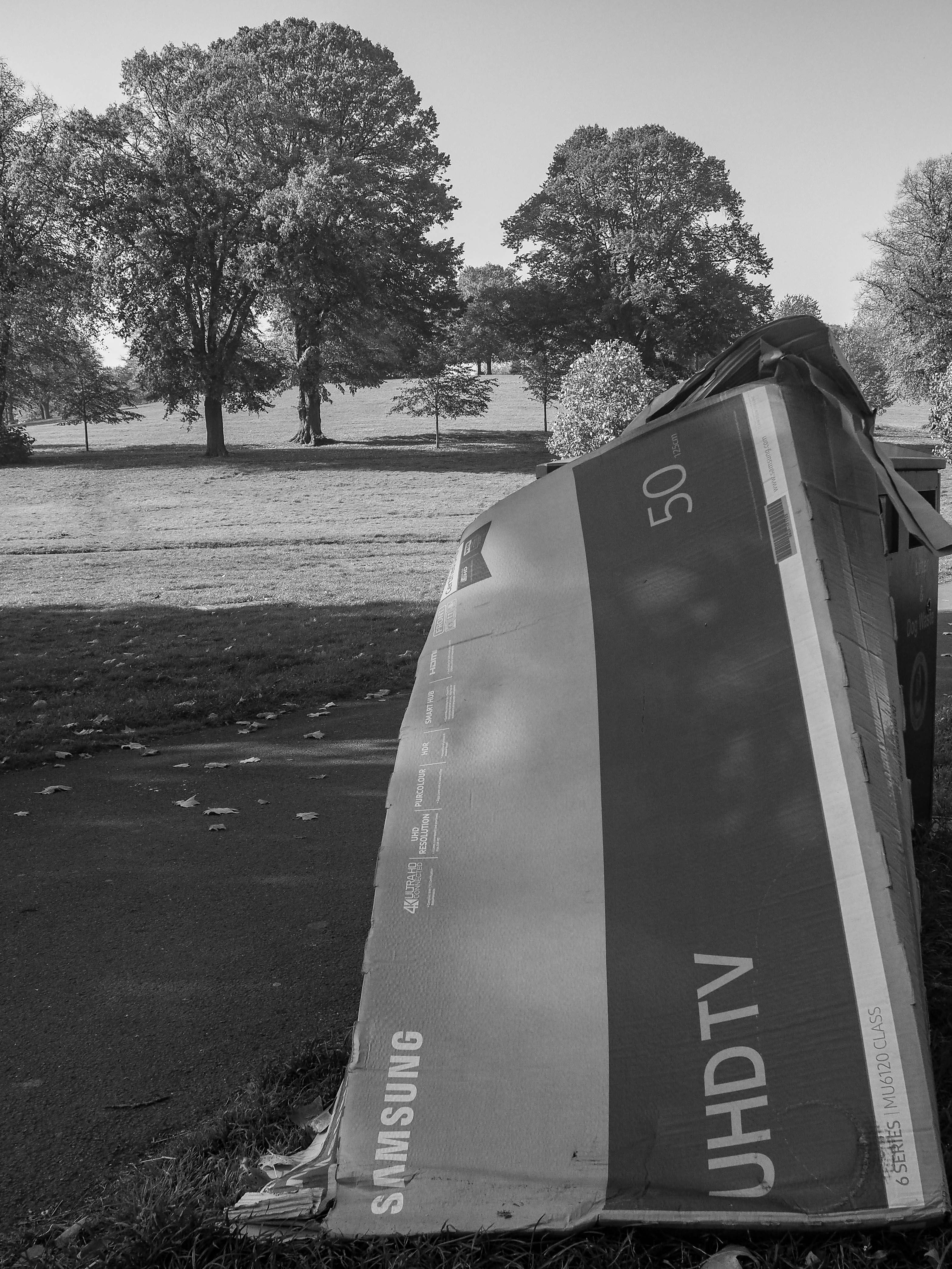
Our hero strides away from the retail park, a grin tugging at the corners of his mouth, excitement prickling through his veins. A small, involuntary drip of pee seeps down the inside of his left thigh—an unspoken testament to his anticipation. He’s just secured his prize: a gleaming 50-inch Samsung widescreen, a portal to endless pleasure and distraction.

That cool, slightly damp feeling against his skin only fuels the eagerness. He can barely wait to wrestle this beast inside, to peel back its black-tinted glass doors and unleash a flood of colour and sound. There, waiting like a treasure trove behind those sleek panels, lies a marathon of action-packed shows, Netflix’s glossy revivals of wars long past, and a world of Xbox adventures begging to be conquered.

Clutching his fragile, slightly bent joystick—his trusty sword in these digital crusades—he’s ready to journey through mythical lands and storm enemy fortresses, all from the sanctity of his living room.

But first: the cardboard box. A looming mountain of packaging, bulky and conspicuous. Where to stash it without inviting the gaze of neighbours or the prying eyes of postmen? Then, a flicker of inspiration sparks in his reptilian brain. Slithering through shadows, he slips to the nearby public park under the cloak of night, abandoning the box like a guilty secret in the moonlight.

Back home, pride swelling in his chest, our self-made hero lets out a satisfied sigh. The screen flickers alive—radiating artificial light, exploding in bursts of radiant green, red, and pulsating blue. The room comes alive with electric energy.

And there he is—the wanker, king of his castle, ruler of pixels and cardboard kingdoms alike.

Michael Nau & The Mighty Thread: Louisiana, Bristol: 24.09.18

Quiet Brilliance Unfolded

I first crossed paths with Michael Nau back in his early days as the frontman of Cotton Jones. Their 2009 album Paranoid Cocoon remains one of my all-time favorites, especially the hauntingly majestic track I Am the Changer—a song that still sneaks into my playlists when I need a quiet moment of wonder. Nau’s style feels effortless on the surface, almost casual, like he’s barely fazed by the world around him. But beneath that laid-back demeanor pulses the heart of a deeply gifted musician and songwriter.

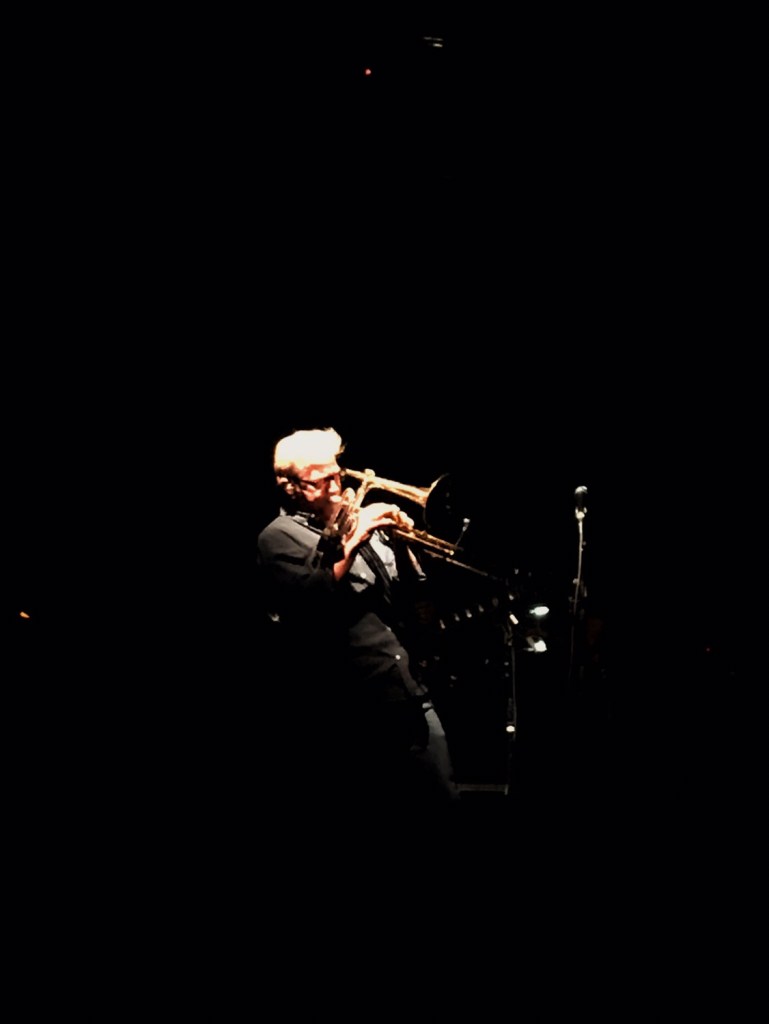
Tonight, at the intimate Louie venue, I find myself drawn into that quiet magic once again. Michael Nau takes the stage with his band, The Mighty Thread, sharing songs from their self-titled new album—a collection of beautifully uplifting tunes that feel both timeless and fresh.

There’s something profoundly intimate about watching Nau perform live. It’s as if he’s gently inviting you into his world—a world where vulnerability meets strength, where simplicity reveals complexity. Each note and lyric hangs in the air like a whispered secret meant just for you.

For those yet to discover Michael Nau, tonight’s show is a warm invitation to lean in closer, listen harder, and experience music that’s quietly brilliant in every sense.

Check out the link below.

They Might Be Giants: SWX Bristol: 23.09.18

Quirky Legends Finally Land in Bristol

They Might Be Giants have always occupied a wonderfully strange corner of my music collection. I’ve adored their 1990 album Flood for decades — a brilliant, quirky tapestry of songs that range from the irresistibly catchy Birdhouse in Your Soul to the biting, timely anthem Your Racist Friend. That track, especially coming from a band across the pond, rings even louder in the age of America’s 45th President.

Their music has danced through the background of iconic TV shows like Malcolm in the Middle, scored the whimsical world of SpongeBob SquarePants, and earned them not one but two Grammy Awards, alongside a Tony nomination for Best Original Score. Despite all this, it took me years to finally catch them live.

Tonight, at Bristol’s SWX, Brooklyn’s self-styled ambassadors of love and eccentricity deliver their first hometown show for me — a two-set extravaganza spanning their vast back catalogue and fresh tracks from their upcoming album. The result? A storming success.

There’s humor at every turn, musicianship tight and playful, and a sense of camaraderie that feels as genuine as it is effortless. A highlight is their playful dubbing of Aerosmith and Run DMC’s classic Walk This Way video — a cheeky nod that delights the crowd and showcases their clever wit.

If you haven’t yet experienced TMBG live, do yourself a favor and catch them on tour (dates and info linked below). Walk away with anything less than a sly smile and a spring in your step the next day? Then, my friend, you might just need professional help.


Gina Miller: Bristol Festival Ideas: 04.10.18

A Portrait of Division and Defiance Tuesday evening found me in the company of Gina Miller, a figure best known for her landmark legal challenge that forced the UK Government to seek Parliamentary approval before triggering Article 50 and beginning the Brexit process. In today’s fractured political landscape, Miller has, willingly or not, become a beacon for those desperate for leadership and clarity amid the chaos.

But the price of such visibility has been horrific. Miller has endured an unrelenting torrent of abuse—threats of violence, racial harassment, and vile misogyny. Her personal office has received dangerous packages, her legal team harassed outside their workplaces. Even members of the aristocracy have targeted her with vile, hate-filled public remarks, including the 4th Viscount St Davids, who called her a “boat jumper” and offered a bounty for someone to “accidentally” run her over. The vitriol is a stark and disturbing reminder of the dark undercurrents roiling beneath our society.

How did we get here? It’s a question that haunts me, no matter what side of the political divide you stand on. What has stirred such profound hostility, such a corrosive bitterness? This isn’t mere political disagreement—it is a deep, painful darkness that strikes at the heart of community and civility. It is the ugly resentment of the “grumpy uncle” or the neighbour who blames everyone but refuses to reflect.

Just last Sunday, I spent over two hours at a public meeting discussing a proposed winter shelter for the homeless in my neighbourhood. Such topics are always delicate, often inflaming frustrations about local governance and the fear of change. Yet none of that could excuse the venom directed not only at the council but, heartbreakingly, at those most vulnerable in our community—the homeless men and women who face the real threat of freezing to death this winter.

Concerns over property values and personal safety are understandable, and the council must address them calmly and clearly. But the atmosphere of the meeting was poisoned by hostility—a relentless, almost physical rage. Hands clenched, faces reddened, and interruptions were constant. This was not debate, but a display of emboldened intolerance and disregard for others. It mirrored the wider social fracturing Gina Miller speaks of—our inability to listen, empathize, and engage with each other as fellow citizens.

Miller’s analysis tonight resonated deeply. She spoke candidly about Brexit, the erosion of political accountability, and the urgent need to open dialogues across our fractured nation. Yet, some of her hopes—like the promise of a kinder, more socially aware capitalism—felt, at times, overly optimistic. Waiting for the financial elite to embrace genuine reform is a hope long deferred, especially for those who have borne the brunt of failed market-based solutions since the 1980s.

The mood in the room was one of grief and bewilderment, particularly during the Q&A when Miller called for outreach to those who voted for Brexit. An elderly man’s question, “How do we get into their heads to change their minds?” spoke volumes—not just about political division, but about a profound misunderstanding. It’s not about “getting into heads,” but about listening, showing empathy, and supporting policies that address real economic injustice.

Gina Miller is an extraordinary woman—a symbol of courage and common decency in an age where both are in short supply. The hatred she endures is despicable and must be condemned unequivocally. While her recent switch from Labour to the Liberal Democrats may disappoint some, it reflects her commitment to an ethos of “kinder capitalism,” even as we acknowledge the irony of austerity policies that sowed seeds of Brexit under the previous coalition government.

Perhaps, in the aftermath of Brexit’s tumult, we will better appreciate the value of Miller’s work. For now, as I finish this reflection, a new report from the Institute for Public Policy Research lands in my inbox. It calls for a “radical overhaul” of Britain’s economy comparable to post-war reforms or Thatcher’s revolution, to confront decades of stagnation since the 2008 crash.

Insightful, well-meaning—but for many, it feels like a call made while Rome burns.