Category Archives: The Sound of Music

Today I Stumbled Upon: You’ll Never Get To Heaven

The snap of the letter box and a cassette lands on the doormat following my latest purchase from Bandcamp, which is the first cassette I’ve bought in many years. There is something subversive about cassette music, which can either label you a pretentious anorak or the member of a cool club. Whatever your preference I feel like a member of the cool club today.  I find myself  in Canada on the next stop of my adventure and I have arrived at the delicate ambient haze of Chuck Blazevic and Alice Hansen better known as You’ll Never Get to Heaven. They have recently issued the EP Adorn on a limited cassette format release, as well as download.
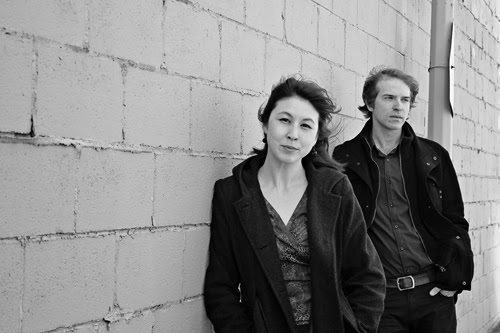
You'll Never Get to Heaven - prevuing walls from falling down

You’ll Never Get to Heaven prevent another wall from crashing down

You’ll Never Get to Heaven are from London, Ontario and like the name sake on this side of the pond London is a melting pot of creative energy and influences. To the east we find New York, to the west Detroit to the north Toronto. London, Ontario is no stranger to musical innovation being home to the rather brilliant and eccentric Nihilist Spasm Band. A band with the ability to make the listener excited, laugh, cover their ears and appreciate all at the same time. Think of Captain Beefheart’s classic album Trout Face Replica in warped condition, playing backwards, at the wrong speed and you start to get the picture. I mention this purely to draw attention to the rich tapestry and creative environment You’ll Never Get to Heaven inhabit, which must surely provide immense influence.

You’ll Never Get to Heaven are the type of electronic band I enjoy greatly, but I must start with my prejudices. Having lived through the 1980s and the onslaught of synth drums infused in over produced medico music. At best this was  highly regrettable, but thankfully quickly forgettable. For every Joy Division sat a myriad of New Romantic lost souls who sought self indulged enjoyment from wearing  stupid customs, donning silly haircuts, trained like monkeys to press a few buttons rather than create music that would be savoured beyond its immediate sell by date. It is true the likes of Gary Numan, Orchestra Manoeuvres in the Dark and the Human League provided some initial interest, but you can only pretend to be a droid for so long until people start treating you like an elaborate teas-maid.
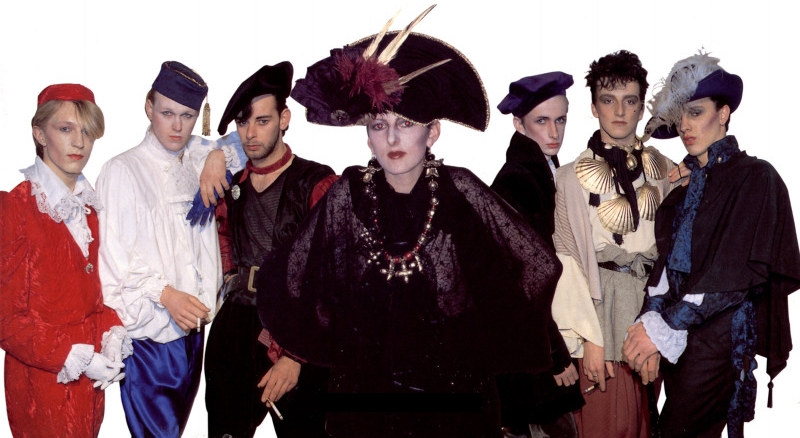
Not a good luck

New Romantic bad

My key contention is aimed at the producers of the time who simply sought to replicate traditional instruments and song structures rather then use new technology to innovate. The effects of this bastardisation left scars in my psyche resulting in me instantly rejecting electronic music as a serious force other than Kraftwerk, Eno, Rodion G.A, Harold Budd, etc. Rightly, or wrongly my record collection would occasionally submit to the odd electronic based track, but nothing substantial. There was little change in my mindset until Aphex Twin’s sublime 1994  Selected Ambient Works Vol 2, which went on to unlock  my ears to groups like Autechre.
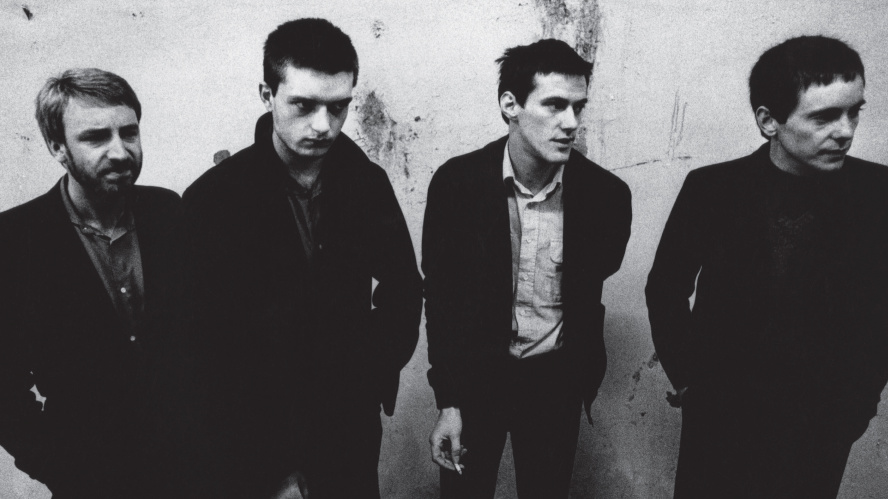
How it should be done

Joy Division good

More recently the increased accessibility to make electronic music with little effort through most computers has delivered a variety of outcomes from the sublime to the largely predictable. In this democratisation of music production it is refreshing to stumble across bands like You’ll Never Get to Heaven whose influences can be seen and heard, but importantly do not simply seek to replicate what has gone before.

The gentle distorted soundscapes, twisted samples and warped beats create a dream like platform for Alice Hansen’s fragile vocal to drift aimlessly like a child exploring a lost magical world. Firstly the influences I hear in their music.  My record collection includes a variety of early Brian Eno albums and given the Adorn release makes reference to Eno this would be a rather lazy reference to make. Vocally I hear hints of early Elizabeth Fraser (The Cocteau Twins) or Tracey Thorn (Everything But The Girl), especially the tracks Thorn recorded with Massive Attack for the Protection album. The overall production I find interesting because whilst the aforementioned bands utilised more traditional beat and melody structures to create catchy pop songs You’ll Never Get to Heaven have ventured down a different lane. The result is creative tensions, which provide the freedom for the duo to roam, explore and experiment endlessly.

Lurking under the soundscape structures I find fragmental influences from the Boards of Canada (Geogaddi album) and early Sigur Ros (Lek album), which leans more to the structures of classical music than pop. Beats are deployed with intelligence, sometimes sparingly leaving silence to contribute effortlessly to the overall effect (especially when listening through headphones). Via my trusted laptop and the powers of email I managed to hook up with Chuck Blazevic and presented him with the Old Man Adventure questions.

JK:     What was the main influences behind the album?

CB:    We’re often inspired, either directly or indirectly, by the music we listen to on regular basis. We highly enjoyed listening            to the following artists at various points during the making of Adorn: Jeunesse D’ivoire, Anna Domino, Antena, Brenda Ray, Ennio Morricone, Belong, X-Ray Pop, Durutti Column, Chromatics, & Cleaners From Venus.

JK:     Which is favourite track and why?

CB:    ‘Caught in Time, So Far Away’ is the most recent track on the EP, so, in this respect, it feels a bit more exciting to us than some of the older tracks on this release.

JK:     If you could have a guest artist to appear on your next venture who would it be (dead or alive) and why?

CB:    We’d love to work with Brenda Ray (of Naffi/Brenda and the Beachballs) if given the opportunity. She has the best vocals and her productions often strike that delicate balance between raw immediacy and ornate elegance.

You’ll Never Get To Heaven – Adorn
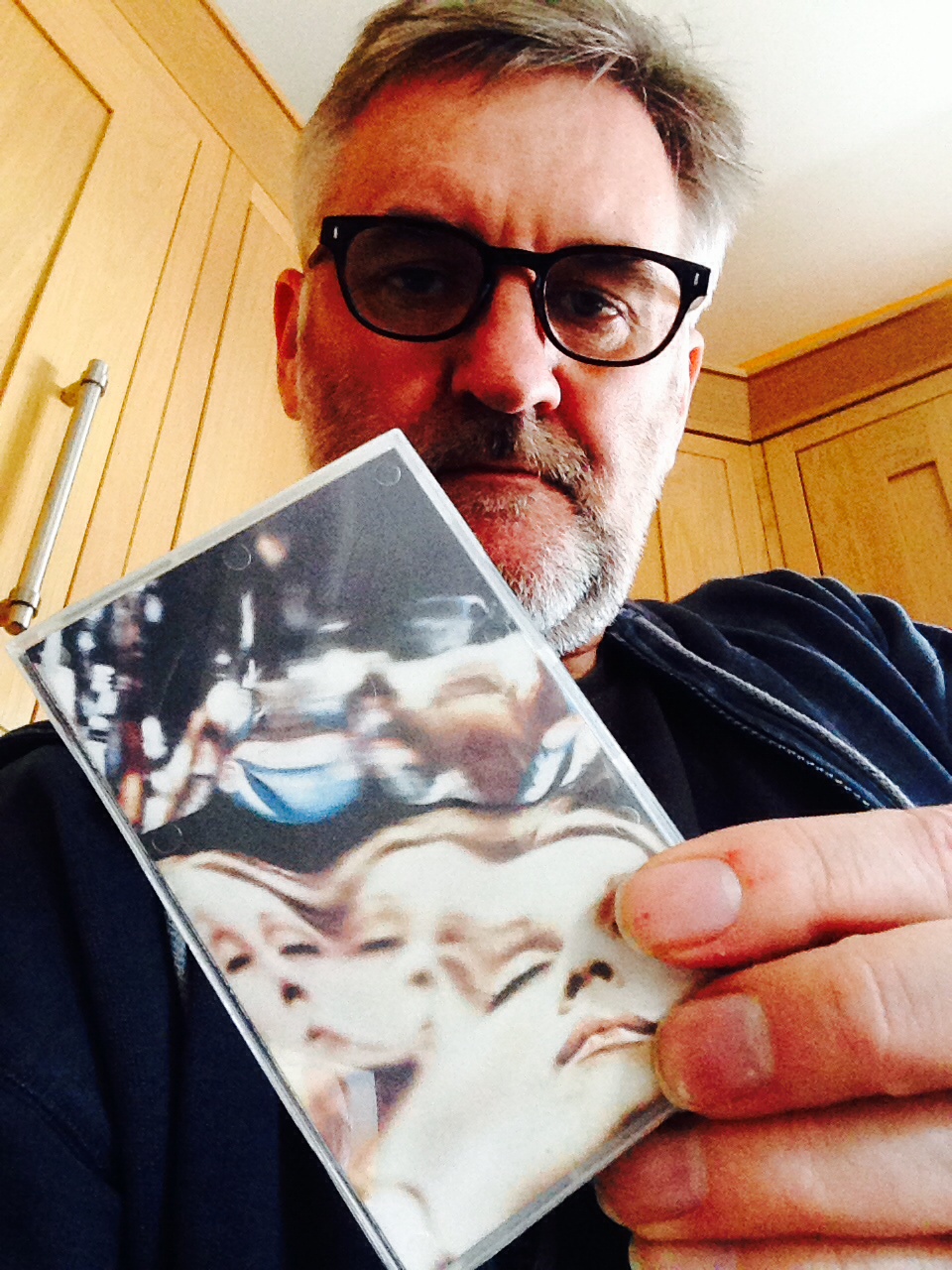
"If you're happy and you know it claps your hands"

“If you’re happy and you know it clap your hands”

The Adorn EP opens with Caught in Time, So Far Away with its carefully crafted synth drum beat, textured layers and pitch perfect vocals make this a mighty and clever pop laden introduction. Whilst the track is highly enjoyable it also misleads the listener into a false sense of ease as we enter the deeper material contained on the EP.

By This River is a slower and more thoughtful piece all together. Simple and devastatingly in delivery.  Unravel  takes us deeper down like a gramophone record playing effortlessly in a cabin on the sinking Titanic. Adorn is a magnificent, dense textured 4.25 minutes of shoe gazing brilliance. The beat plays perfectly with the vocals to leave the listener slightly disorientated. Enfantillages Pittoresques: Berceuse is an intoxicating music box with slightly out of synchronised keys. Derived from the Erik Satie’s piece, which can also be found on the David Bowie ‘The Man Who Fell To Earth’ film. The result is truly haunting and  beautiful.

The EP comes to an end with Closer, which is a further 2.44 minutes of soundscapes, but on this  occasion the Titanic sits broken on the seabed until its discovery some 73 years later. Together this  is one of the most beautiful set of tracks I have heard in this genre for a long time. Almost impeccable in making the listener warm, distant and slightly disorientated. It comes highly recommended from this adventurer.Buy it now.

Hey, hey, mama, said the way you move, gonna make you sweat, gonna make you groove.

I was 7 years old when Led Zeppelin were formed in London 1968. Consisting of guitarist Jimmy Page, singer Robert Plant, bassist and keyboardist John Paul Jones, and drummer John Bonham they were the quintessential English rock band who went on to personify the ultimate rock band worldwide. Many have sought to emulate, many have copied, but none have equalled.

A quick listen of the first two Queen albums released in 1973 and 1974 respectively exposes Freddie and the boys original blueprint. Brian May, whilst a highly gifted guitarist could never match the swagger and presence of Jimmy Page strutting his stuff across the stage. Queen went on to become in effect the worlds biggest cabaret act whilst  Led Zeppelin managed to remain solid as a rock even if later albums experimented with funk, disco, or African infused rhythms. They also retained a sense of humour. The final track on the Houses of the Holy album The Crunge with its tongue in cheek nod to James Brown for example.

Rock bands had become so ostentatious during the 1970s that a bedroom poster was the nearest I would came to seeing Led Zeppelin live. There remains the faintest of hopes that they may reform as they did for the one off concert in 2007, but I will not be holding my breath. Yet perversely it was  un-obtainability that seems to have drawn me (and 1000s of others) closer to their enigma. This was in total contrast to my affinity with Pink Floyd, which was shattered by the punk explosion in the UK (1977-78). I did not listen to a full Pink Floyd album for many years afterwards, although I did regain my senses in time for their Pulse Tour resulting in a quite amazing evening on 20th October 1994 at  Earls Court Exhibition Centre, London.

Led Zeppelin where also at the top of their game as both a recording and live band when the UK pop charts were dominated with the likes of the Bay City Rollers singing Bye, Bye, Baby, Pete Shelley, Love Me Love My Dog and even Laurel and Hardy charted with The Trail of the Lonesome Pine. It is clear to see now given the quality of pop music on one hand and the rock dinosaurs on the other that pop and rock music where driving into a car crash that would fuel the brief, but necessary punk period. Punk fizzled out like a damp torturous fart from a septic stomach with its ultimately boring and predictable uniform of wall to wall mohican haircuts, tartan trousers and biker jackets.

Whilst monster bands like Emerson, Lake and Palmer  were never to rediscover their self indulgent status after the punk period Led Zeppelin remained unscathed, which is pretty surprising given their 1979 weak album offering In Through the Out Door. Led Zeppelin had not performed live for two years since the death of Robert Plant’s son during the band’s 1977 North American tour, and they had not performed in the United Kingdom for four years.  It was the bands manager Peter Grant who decided that the band should perform at what is now renowned as the classic Knebworth concerts instead of embarking on a lengthy tour. A estimated 400,000 people attended the two Knebworth events on 4th and 11th August 1979.

The death of drummer John Bonham in 1980 all but brought the curtains down on the band. The reunion (with Phil Collins on drums) at Live Aid 1985 was such a disaster that they refused to allow it to be included on the Live Aid DVD release. Collins still remains sore about his Live Aid jam with Led Zeppelin 25 years after the gig and recently revealed that he almost walked off stage in mid-set. Collins and Chic drummer Tony Thompson had both apparently been drafted in as replacements for the late John Bonham.

Jimmy Page blamed the replacement drummers for not learning their parts, but Collins claims it was Page, Plant and Jones who ruined the experience.  “They weren’t very good and I was made to feel a little uncomfortable by the dribbling Jimmy Page.” Collins concluded recently.

O2 Arena, 2007.

It was an ignominious farewell and one that would dog any potential reunion for years to come. Fans were kept at bay by Jimmy Page’s remastering and repackaging releases of the bands historical material. That was until the Ahmet Ertegun Tribute Concert held in memory of the music executive at The O2 Arena, London on 10th December 2007. The band performed their first full-length concert since the death of Bonham in 1980 and in a fitting touch for this one-off reunion Bonham’s son Jason played drums during the set.

The 02 concert seems to have provided the band with an exorcism of the Live Aid debacle and unlike the Live Aid concert the 02 concert was formally released as both a CD and DVD under the title of Celebration Day, but for the fan it added nothing to what had gone before.

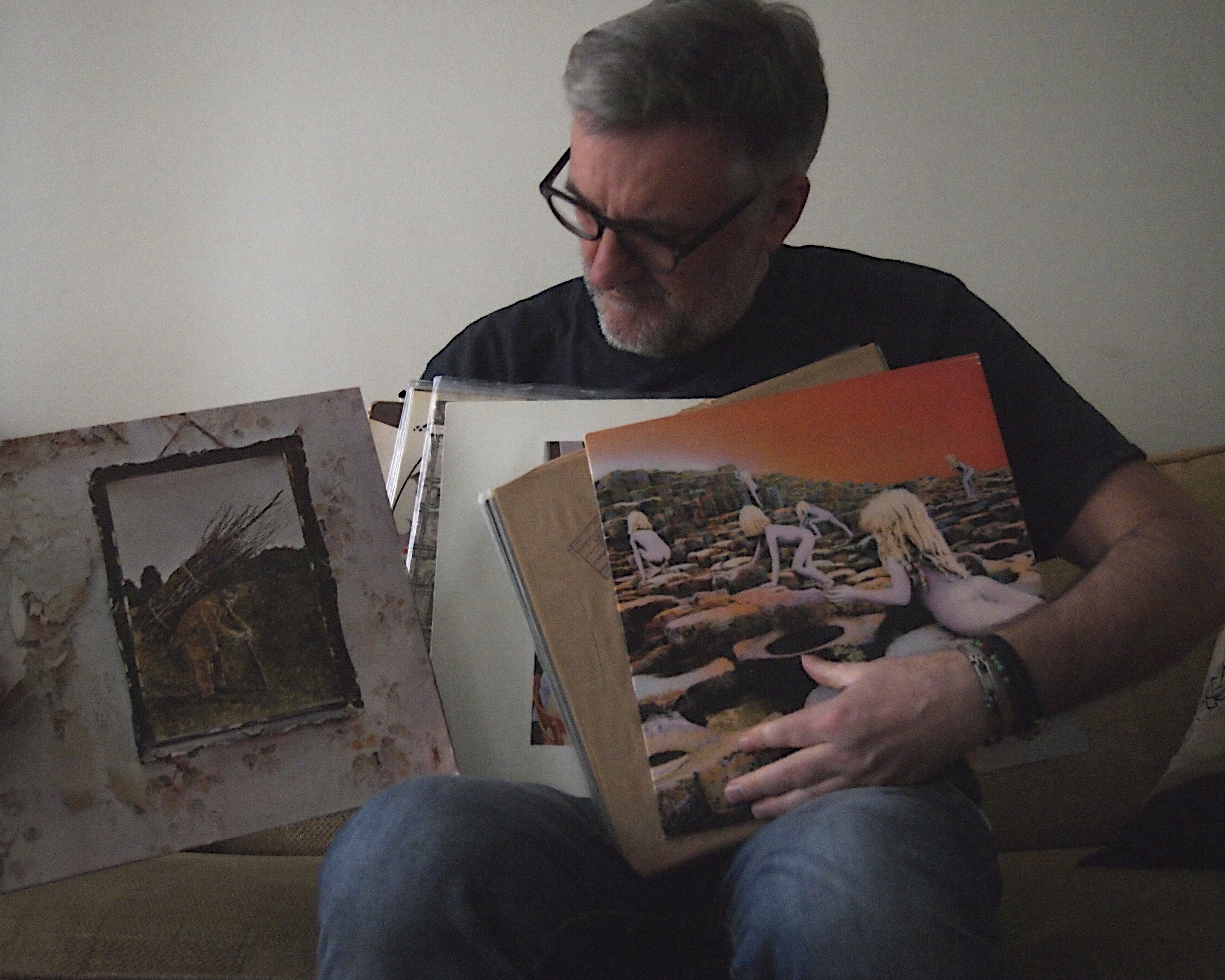
Led Zeppelin IV

The first Zeppelin album I recall buying was 1971s Led Zeppelin IV, although I would have purchased it later circa 1974-75. Over the course of a year I went on to purchase all their available albums, which was no mean feat in those days. Initially attracted to the album through the seminal track ‘Stairway to Heaven.’ which seemed to filter into my brain at night as I lay beneath my bed sheets, transistor radio pressed against ear hoping my parents would not detect the sound of the tuning radio. Inevitably they did and the said radio would be confiscated and so the cycle between generations would turn and grind around.

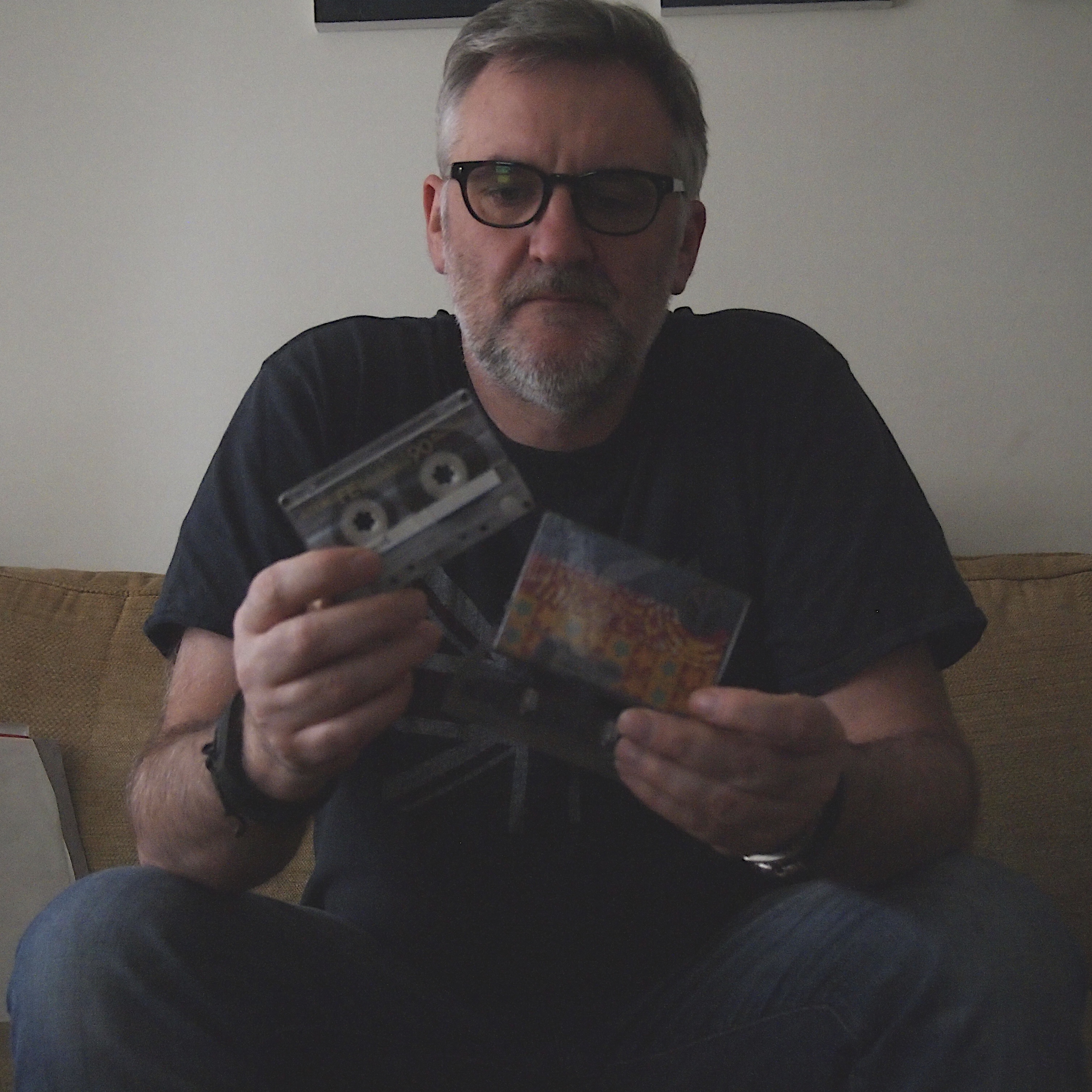
It was about this time I obtained my first cassette recorder, so with transistor radio perched safety I would hold the small cassette recorder microphone close to the transistor and tape the music. Building up c60 or c90 cassette tape to be traded at school with my fellow spotty, greasy haired and adolescent boys we were like desperate junkies.

What in eck do you do with this?

What in eck do you do with this?

This is how I  was  introduced to the likes of The Beatles, Hendrix, Dylan, The Doors and all those bands that did not penetrate the mainstream pop shows on TV. The cassette case, which housed the tape had self-made inserts normally constructed from a magazine photo that would somehow relate to the music contained on the tape. I still have a few cassettes from those days.

Oh my goodness so much goodness

Oh my goodness so much goodness

Whilst Stairway to Heaven holds a special place. It is a track, which has been slaughtered to many times by warbling tight trousered rock crooners who simply have had too much hair and hairspray at their disposal. Each counterfeiter dreadfully seeks to represent their own interpretation, which makes listening to the original feel like a Vietnam veterans flash back of carnage, panics and cold sweats. Led Zeppelin 4 also has possibly the two finest opening tracks of any rock album in history.  I defy anybody to dispute this.  ‘Black Dog’ and ‘Rock n Roll’ set a standard that has simply not been matched.

It started with the Beatles Anthology where literally anything picked up by the microphone in the recording studio, including instrument tuning, conversations. mistakes, practice warm ups and lack lustre mixes were to be given a formal release. The classic Doors and Hendrix albums were given the same treatment. Pink Floyd’s followed with their immersion box set releases. Now we are to be subjected to yet another repackaged and remastered release of Led Zeppelin’s first three albums with the “super deluxe box set” coming in at a whopping £91.00 ($150.00) each.

When it comes to making money from fans with Led Zeppelin the song definitely remains the same with each “super deluxe box set” the buyer will receive:

  • CD1: Original album newly remastered in vinyl replica gatefold sleeve
  • CD2: Companion audio in a new sleeve, featuring previously unreleased studio outtakes
  • Vinyl 1: Original album newly remastered in gatefold sleeve replicating the original album on 180 gram vinyl
  • Vinyl 2: Companion audio on 180 gram vinyl in a new sleeve featuring negative artwork based on the original album artwork, and featuring previously unreleased studio outtakes
  • HD Download Card with original album and companion audio in 96 kHz/24 bit
  • LP sized, individually numbered, high quality print of the original album cover
  • Album-size hardback book (80 pages)

Led Zeppelin are one of the most successful, innovative and influential rock groups in history. If the 1960s belong to the Beatles then the 1970s belong to Led Zeppelin.  I’ve taken a look at these “super deluxe box set” you know what? I’m going to stick with my old vinyl.

Today I Stumbled Upon: The Lone Crows

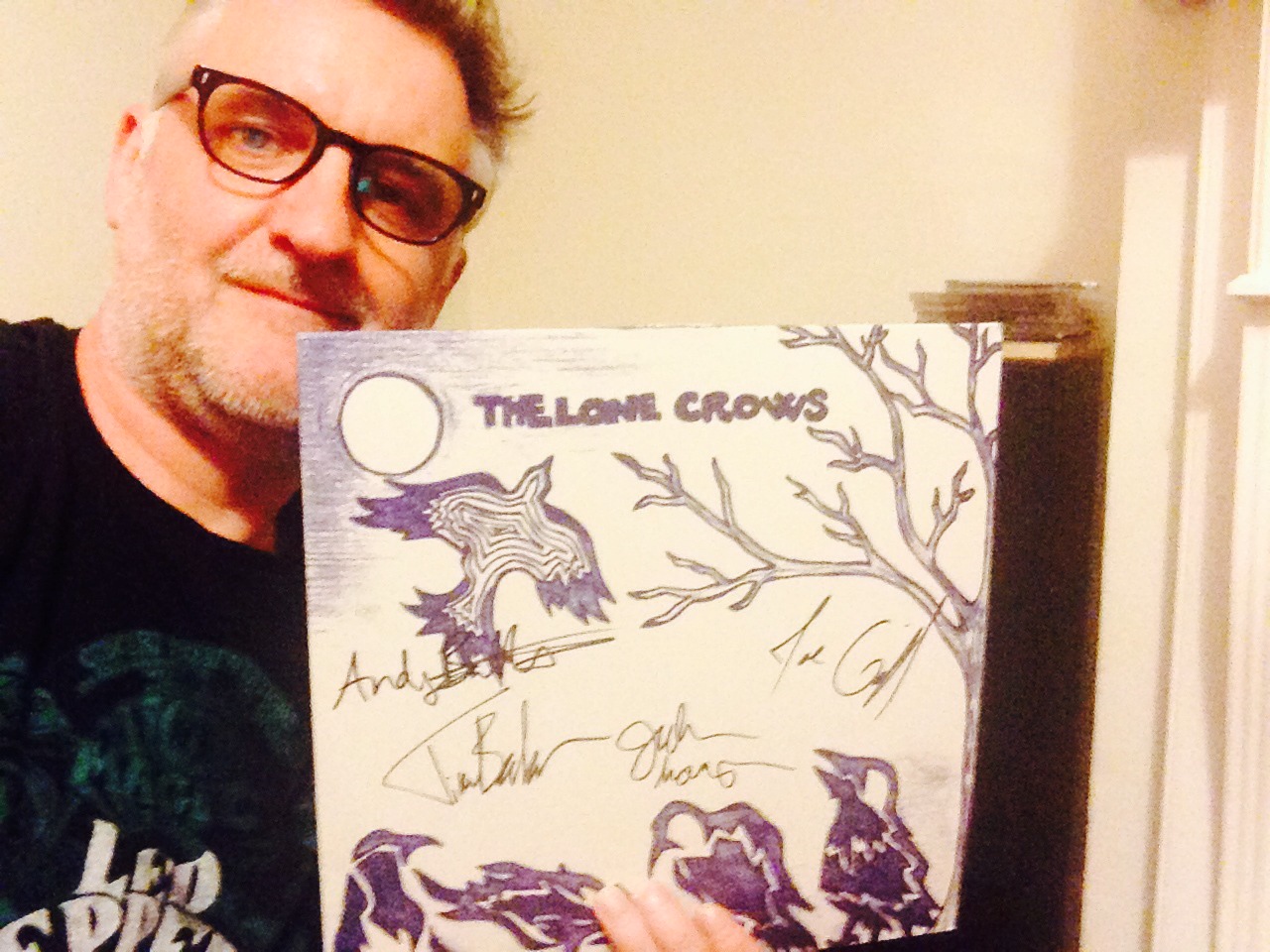
Arriving home after my fragile adventure to New Zealand and found the vinyl album I had ordered via Bandcamp has managed to wing its way  across the Atlantic. I tiptoe to Minneapolis, USA crank up the volume and enter the blues-rock world of The Lone Crows and their self-titled debut album.  The album cover had been personally signed by each member of the band (thanks guys) and now sits on the turntable for this review.

My general rule of thumb concerning any new rock bands who define themselves in a specific genre and walk a  path that has been well trodden before is (a) you need to be good and I mean really good, or (b) you better limit your ambitions to becoming a half decent covers band. There is no grey area between (a) and (b) after all if you are going to wear your influences on your sleeve then boy you need to be special or risk languishing in Spinal Tap purgatory.

The Lone Crows have navigated themselves away from the danger of musical purgatory by producing one of the best debut blues-rock albums my ears have had the pleasure of hearing.  Yes, The Lone Crows are that good. The album is a ludicrously self-confident effort without a hint of arrogance, which is equally impressive given its humble origins.  The Lone Crows initially started gigging in 2009 and by mid 2011 their sound had matured into the blues rock style, which dominates this album. The band consist of Tim BarbeauGuitar, Vocals, Julian ManzaraGuitarAndy BattcherBassm Joe Goff- Drums, Percussion

https://www.facebook.com/sif.nave/photos_albums

With old man questions at the ready I spoke to Tim Barbeau and Julian Manzara about the album and their influences.

JK:  What was the main influences behind the album?

Tim:  I can only speak for myself but I think we all took our personal influences and brought them together to make the album. I’ve got too many influences to mention, I just wanted to make a record that punches you in the chest.
Julian:  We each have our own influences, as tim said. we never discussed who we wanted to sound like.

JK:  Which is your favourite track and why?

Tim: ‘When I Move On’ only because that song was finished just before going into the studio and I had no idea it would turn out so well.
Julian: ‘When I Move On’ is my favorite as well, to this day its the most fun to play live. It has a hell of a groove.

JK: If you could have a guest artist to appear on your next venture who would it be (dead or alive) and why?

Julian: John Paul Jones on organ. Who needs a another guitar player?

Tim:  It’s cliche as hell, but Jimi Hendrix. They say the guy had the magic touch after all.

The Lone Crows – The Lone Crows

The Lone Crow opens the album and is built on the rock solid foundation of Joe Goff’s drilling drum work, which maintains the momentum throughout the tracks 3.30 minutes. The track is a fine opener that is either going to open a Pandora’s box of treats or runs the risk of firing the bands best shot first. The grinding blues chords of Can’t Go Home Again prick the ears up. The track contains all the characteristics of a classic stadium anthem. Bursting with its crowd induced chorus line. By this stage the listening ear is also thinking where the journey goes next. Heard You Call would not go a miss on a classic Thin Lizzy, or Santana album with its exquisite guitar work. You Got Nothing moves deeper into blues-rock territory and is properly the most accomplished track on the album as it builds and moves through various shifts in structure. Moonshine  is the album’s thoughtful ode to loves drunken influences “You’ve got sunshine in you’re your heart and I’ve got moonshine in mine.” The Ghost is a 6-minute blues thumping instrumental romp, which reminds me of The Doors live at their poignant best. When I Move On takes us back up a notch with its hard rock swagger that Jimmy Page would be proud of. The Crawl bursting at the seams with pounding blues guitars and bass it weaves through its 5.12 minute existence to set up the albums final track brilliantly. Runnin’ Through My Head brings the album to its close with its pounding bass line. In 1974 somebody passed me a copy of The Free’s classic Fire and Water album. and Runnin’ Through My Head  would not be a weak link if added to the Fire and Water Album. I cannot really pay the track a better complement.

Structural variation in both individual track and the manner in which the whole album has been put together keeps the listener engaged throughout. This is an album in the traditional sense rather than a collection of songs that have accidentally been pulled together. There has obviously been some handwork and thought given to it overall production.   There are of course some flaws, but in the scheme of things they add to its character and do not undermine the solid foundation the band has made. I for one look forward with excitement to the next instalment, which I understand from the guys is currently in the pipeline.

Buy this album now! £4.80 for the download or good old vinyl for £7 (plus £6.20 postage). If you happen to be in Germany during May 2014 you can pop along to see the band play live. More details here  https://www.facebook.com/freakvalley. I complete my listening, take the vinyl off the deck, carefully place back into the sleeve and put it on the shelf next to my Led Zeppelin vinyls.

Signed, sealed and delivered.

Signed, sealed and delivered.

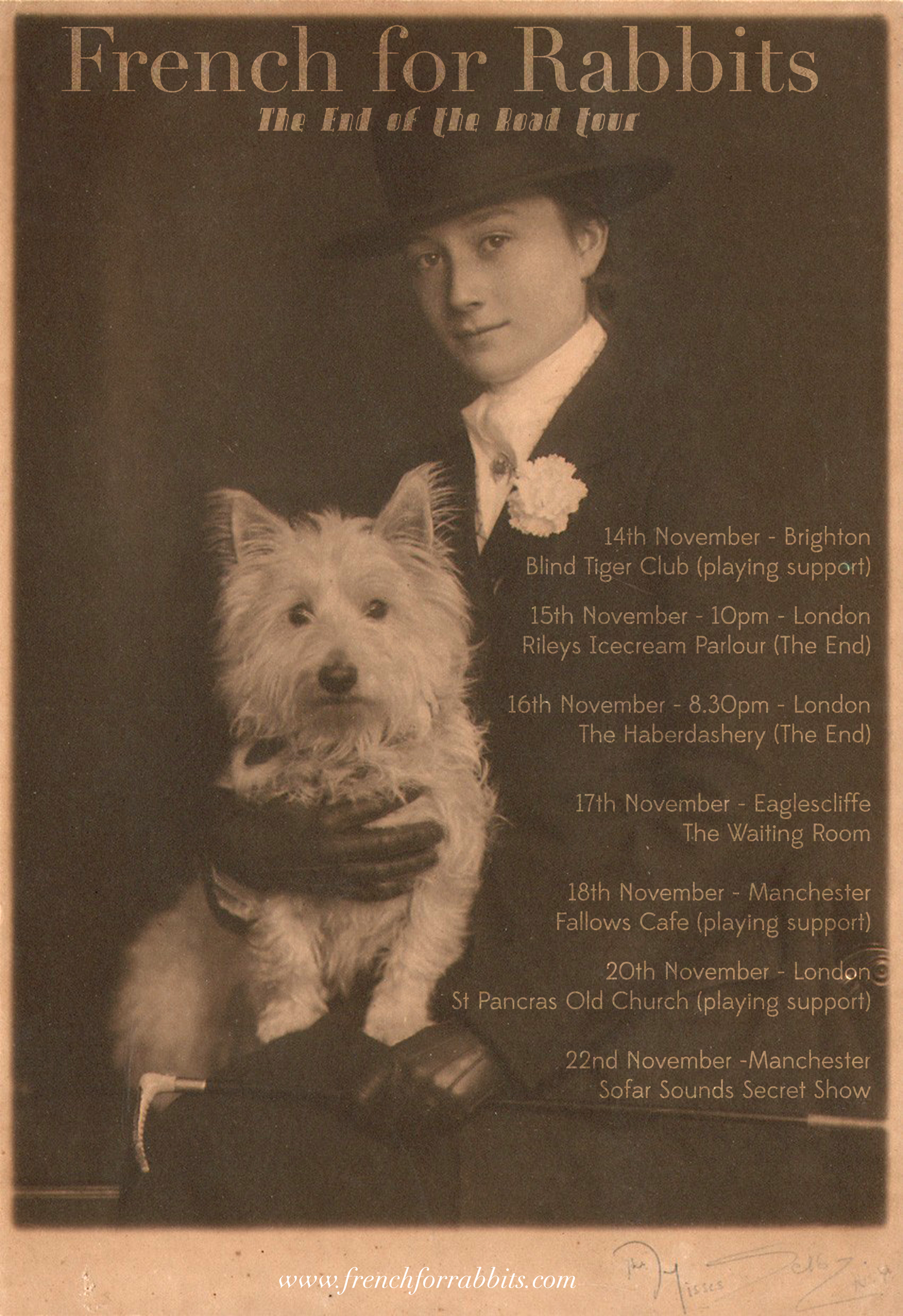
Today I Stumbled Upon: French for Rabbits

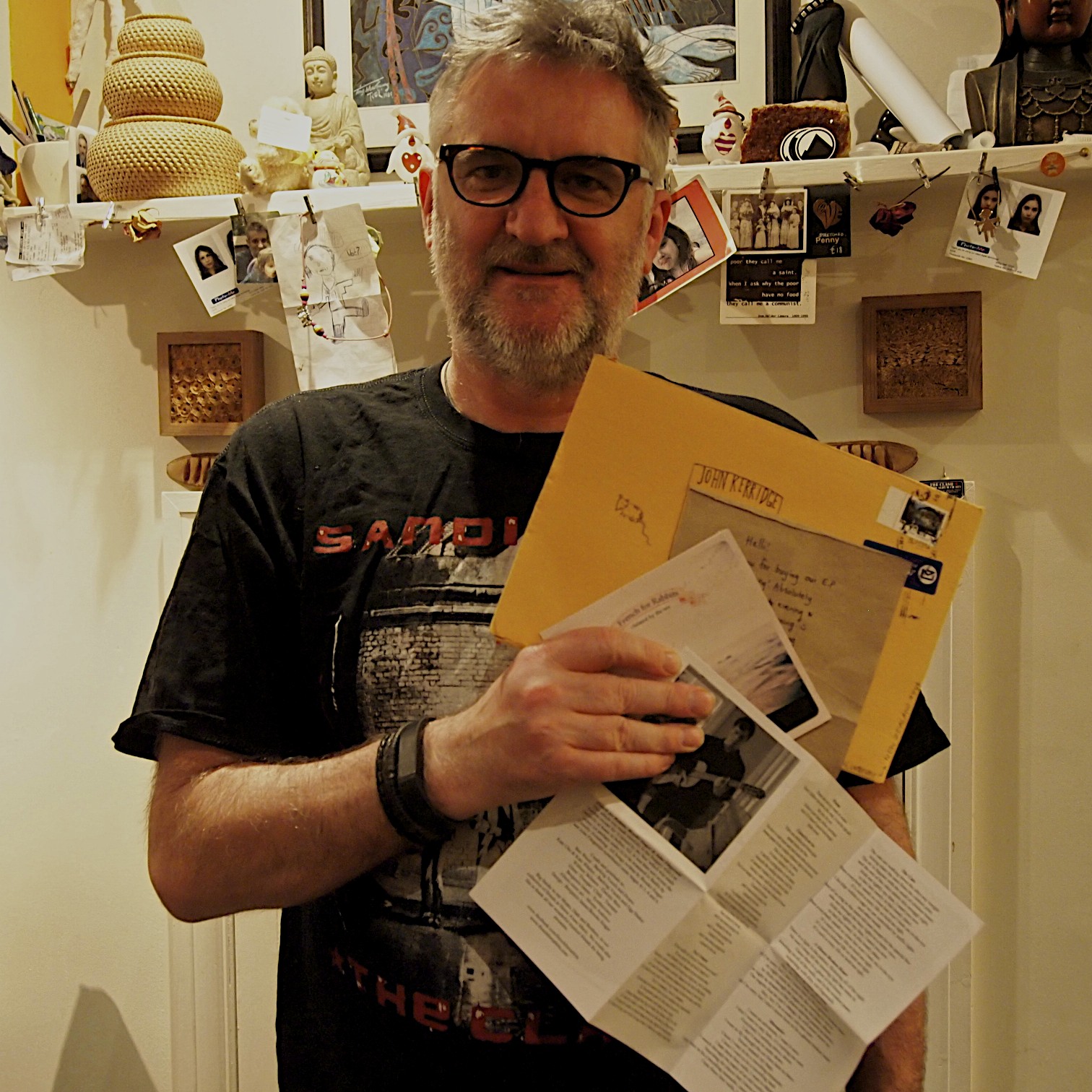
New Zealand bound for my next adventure in Bandcamp and hazy days in Christchurch where I found French for Rabbits who released their EP Claimed by the Sea in January 2012. The EP is a gorgeous assortment of 6 reflective, sad and haunting day-dreams and a remix of the title track.  This offering provided me with my first opportunity to purchase a physical (CD) copy, which comes with the usual download through Bandcamp purchases. One week later a brown envelope arrived from the other side of the earth.

It's a whopper!

It’s a whopper!

Baring a hand drawn mouse on the outside of the envelope and a hand written note with a cat drawn on the inside you get the feeling these guys have a sense of humour kicking away, which may offset their material. The CD also came with a pullout lyric sheet, which is bad going for $10 NZD (£5 plus £3 postage), in fact excellent value.

Strange voodoo from exotic parts of the world

Strange voodoo from exotic parts of the world

Before writing this blog I made contact with Brooke Singer, who with John Fitzgerald make up FFR and asked the obligatory Old Man questions:

  • JK: What was the main influences behind the album?
  • Brooke Singer: This album was written at a time when I had just started teaching myself to sing and play the guitar, previously I had always written songs for others on the piano. At the same time I started collaborating with John while we were living by the seaside near Christchurch – I think this comes through a lot in the atmosphere of the record, which is all hazy and dreamy and soft. I’m sitting in the same house now, and I can hear the ocean quietly roaring, and children screaming over by the flying fox down at the park.
  • JK: Which is favourite track and why?
  • Brooke Singer: I still love ‘Claimed by the Sea’. It is the first one we wrote on the EP, and it just came out fully formed. It’s always such a mysterious thing when that happens.
  • JK: If you could have a guest artist to appear on your next venture who would it be (dead or alive) and why?
  • Brooke Singer: I’d love to spend some time hovering over the shoulder (like a ghost) of Leonard Cohen. I’m in love with his lyrics and I’d be intrigued to learn his process of creating them.
Claimed by the Sea EP
FFR are not going to be every bodies cup of tea (as we English say). If you prefer your music club style thumping bass, or metal crunching then I advise you to look elsewhere now.  As Brooker Singer suggests Leonard Cohen is a big influence and he haunts this gorgeous EP in such a good way. Yes, his presence can be felt and heard, but so can a mixture of influences to my ear, early Everything but the Girl, Morcheeba, Patsy Cline, Mercury Rev, they are all lurking around but none come to the fore and this is where this EP holds its own. The influences are the platform, the foundations, but not the house.
Extra respect for the dog and playing my favourite vegetarian restaurant.

Extra respect for the dog and playing my favourite vegetarian restaurant.

Wisdom provides a 1.56 minute introduction, which advises the listener to follow their heart. Claimed by the Sea. provides a gentle, but haunting reflection of loss. Marauder Brooke Singers voice fragile and innocent tells a story, “If you suffer for love is it worth twice as much?” the pain for adventure and something different when life restricts possibilitiesThe Cats offers hope through loves protection, “Hold me tightly my dear I need you now to feel less lonely in this lonely place.” A Ghosts Broken Heart needs no explanation given the title along provides both context and narrative. The EP comes to it’s haunting closure with Two’s Company which is my favourite “..inhabit your dreams so you cannot sleep because you’re so afraid of what you might see….twos company” is simply beautiful. A remix track of the title track Claimed by the Sea (PLAN Remix) is tagged at the end, which is not essential, but a nice addition.
Maybe not the best choice for a dance party

Maybe not the best choice for a dance party

It is a solid collection, which is apt for sharing with a friend, a loved one, a reflective moment or Sunday morning with a coffee and the sun shining down as you sit and rest in the garden. Its also nice to know that this band do not take their audience for granted. I get a real sense of integrity about this duo and it comes through in their music and the thoughtfulness in which put their material together. I highly recommend  this EP, as well as the other material on their Bandcamp site.
On a final note of strange coincidence. My home town is Stockton on tees and my favourite restaurant is a small and largely unknown place called the Waiting Rooms (Eaglescliffe). When preparing for this Blog I was pleasantly surprised to find that FFR from Christchurch, New Zealand had played the Waiting Rooms on their last European tour. I was further pleasantly surprised to discover they are due to play my second home city Bristol on Tuesday 20th May 2014 more details here: http://www.songkick.com/concerts/19782669-french-for-rabbits-at-cafe-kino?utm_source=1471&utm_medium=partner

Today I Stumbled Upon: The Warm Hardies

The Warm Hardies are Matt Batey and Tamara Power-Drutis on guitar and vocals, Samuel Anderson on cello, Colin Richey on drums, Corrie Strandjord on French horn, as well as Matt Bishop and Eric Anderson on vocals.  With song structures and lyrics that remind me of early Paul Simon the Music for Grown Up EP (released in May 2011) consists of 3 tracks, which gently float between folk and pop. The opening track Fast and Heavy sets the scene for the EP’s lyrical supreme celebration concerning the complications of finding love and relationships. All tracks contain beautiful harmonies and excellent musicianship.  Only Someday changes the pace upwards with Tamara Power-Drutis on lead vocals reminding me of  Neko Case (but different, if that makes sense). The 3rd and final track I don’t love you is the most instantly catchy of the collection ‘Love isn’t convient and its never on time’ and from the laughter heard towards the end its seems to have been fun to record. I asked The Warm Hardies a few questions about the EP via the magic of email:

  • JK: What was the main influences behind the EP? 
  • Tamara Power-Druti: Trains, dinosaurs, and rich harmonies.
  • JK: Which is favourite track and why?
  • Tamara Power-Druti: Fast and Heavy, because we wrote it about trains but it became a song about something entirely different. We liked that, and loved the way the strings came together with the vocal harmonies.
  • JK: If you could have a guest artist to appear on your next venture who would it be (dead or alive) and why?
  • Tamara Power-Druti: The Everly Brothers, and we’d do a mega-harmonied version of Dream.
Not your average couple

Pipe Smokers of the world unite and take over

This collection of songs make for a perfect mix for that feel good moment. I have the 3 tracks on a playlist, which also contains tracks from the likes of REM (Automatic for the People), Neil Young (Harvest Moon) and Crosby, Stills and Nash’s first album where these songs more than hold their own. The EP is available on a name your price basis (don’t be a skinflint!).

Today I Stumbled Upon: Bartley Hinson

It must have been a few days into my adventure, or maybe time had alluded me. After all making your way through a diet of mainly intense punk, metal and electronic scream music your mind does start to play tricks on you. In the midst of this orchestra of noise and anxiety up popped Bartley Hinson and his album Jogging in the Sand. I sighed with delight, my heart flickered and my ears popped open. You see the discipline of my adventure is to listen without prejudice, but to listen to a ukulele Mr Hinson, you are surely testing me?

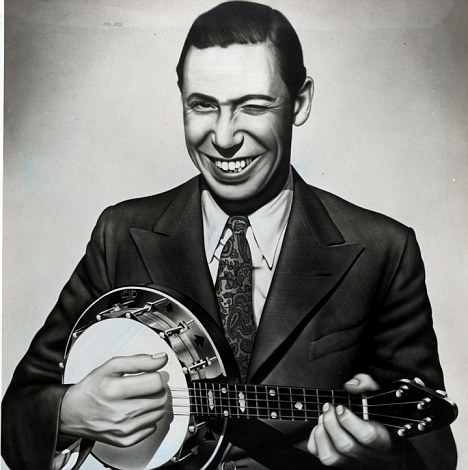
The ukulele as a credible musical instrument has a dogged history in the UK. Principally associated with the institution that is George Formby (1904-1961) a British singer-songwriter, comedian and actor who sang light comical songs usually playing his ukulele/banjo. Formby was the highest paid entertainer of his time with songs like, ‘When I’m cleaning windows’ and the controversial ‘With my little stick of Blackpool rock’ which was banned by the BBC due to its suggestive lyrics. Formby and his wife travelled throughout the Second World War cheering the allied troops up by creating improvised songs to fit the situation.

Formby - A very naughty boy.

Formby – A very naughty boy.

In a similar vain Bartley Hinson took a ukulele backpacking and ended up writing these songs and following a chance encounter with his old friend Devon Cole jump-started the recording of the songs and their release in October 2013.  Jogging in the Sand consists of Bartley, lead vocals, ukulele, guitar, bass, organ, keyboard, percussion, kazoo and Devon Cole backing vocals, drums, percussion, guitar, synth. And impressively self recorded in a barn too.

The album opens with I Really Meant to Try (But It’s Too Late) an ode to meaning and drive in a world of awash with apathy. Whilst in contrast the bitter sweet Short-Changed is coated with the lyrics ‘good fucking luck to you and all your schemes.’  Don’t Think I Spent My Money Wisely and the album title Jogging in the Sand are joyous romps about everyday daydreams and life’s frustrations. The tender Here’s What You Remind Me Of brings the traumas of fragile love and regrets. Sittin’ Around returns to the themes running through the album teenage ambition, motivation, apathy and anxiety starting, ‘I put on a new shirt this morning recently that much ambition has been rare.” and ending, “all that is left is the shit.” The album comes to its end with my fav song on the album The Guerilla Radio Won’t Come In! a ukulele  Rage Against the Machine infused track about growing up, the dilemmas regards the rites of passage to becoming an adult, selling out, greed and consumerism are all laid bare from a young man perspective. “I wish the car bombs on the news made the TV explode”  and the crushing finale and bitter ironic words “this is how a revolution ends”

I caught up with Bartley via email exchange and asked him about the album and the influences behind the songs.

“It’s nice to see people of any age seeking out new music instead of just mindlessly consuming or sticking with what they already know. Last spring/summer when I wrote the songs, I was listening to a lot of Patrick Schneewies (Johnny Hobo & The Freight Trains, Wingnut Dishwasher’s Union, Ramshackle Glory) and Cranford Nix (The Malakas). They’ve both got a great combination of angst and humor/intimacy which inspired me to start writing more honestly than I’d been able to before. My favourite track on the album is I Don’t Think I Spent My Money Wisely It’s fun to play, plus I’m broke as shit. I’m hoping to do another album with Devon (aka Earth Person).”

Not only is this an accomplished album, but it comes from the heart and a level of honesty that is rare.  In return I have learned to listen behind the notion of  the UK ukulele syndrome thanks to Mr Hinson. Amongst the humour and fun of this album lay profound lyrics, which are not a million miles aways from the punk scene of my teenage years, but what really comes to mind upon reflection is The Who’s classic My Generation – I hope I die before I get old!

Mr Hinson I Love this album.

Buy it on Bandcamp for name your own price (don’t be a skinflint!). You can also find Bartley’s 2013 Strawberitas on the same Bandcamp page under the name Bird Machine (great name), strangely I could not hear much ukulele on this track?

Today I Stumbled Upon: Baron

I first came across Baron purely by accident when they provided support to the band Wolf People at the Exchange venue, Bristol. Personally I thought they stole the show. Originating from Brighton UK the band consist of Nick Whittaker – Clarinet, Horn, Backing Vocals, Luke Foster – Drums, Percussion, Synth, Peter Evans – Electric Bass, Percussion and Alex Crispin -Lead Vocals, Electric Guitar, Synth, Percussion, Producer, Artwork. Highly original and whilst difficult to categorise I hear influences from the likes of Joy Division, Scot Walker and Bowie at his more adventurous, but without the baggage. There is much to enjoy from across their catalogue, but the album Columns is my particular favourite on Bandcamp, which also includes free of charge releases.


Today I Stumbled Upon: : Music for The Massacre at El Mozote

The subject matter maybe challenging, but this collection of music is truly exhilarating to listen too. Headphones highly recommended.

Link

I was never a great Lou Reed fan, but did feel a sad loss for one of musics big mavericks, especially when the mainstream seems to increasingly recycle itself . I saw him play live in Bristol many years ago. The memories are quite faded now, but what I recall from the performance had the hallmark of the attitude that influenced generations to come. This was my small photo tribute.LRRIP

Coup d’état of a Song

It is very rare that a coup d’état of a song becomes a magical moment. It only happens when the artists who carries out the coup d’état takes the song on a different adventure envisaged by the original writer and artist. When it does happen it gives the work a fresh emphasis and purpose to the listener. It can also introduce the masses to an unknown, forgotten and often undervalued artist. It also tends to happen best when a song is further compounded by present circumstances, or a certain mythology has developed around the song.

A coup d’état of a song takes place when it is overthrown by an artist who sticks a flag in it like an adventurer on newly discovered land. The impostor goes on to claim the integrity of the song.  A coup d’état of a song goes far beyond the banal multitude of manufactured cover songs that pollute the environment through talentless TV shows. One of the best examples for the coup d’état of a song in recent years is the Leonard Cohen song ‘Hallelujah’.

Legend has it that Cohen wrote around 80 draft verses for the song whilst alone in a hotel room. Apparently the song had reduced him to sitting on the floor, in underwear and alleviating the creative pressure by banging his head on the floor in frustration. Cohen’s original version of Hallelujah emerged on the 1984 album ‘Various Positions’ and was largely ignored until John Cale carried out a song coup d’état in 1991 as part of the Cohen tribute album ‘I’m Your Fan.’

Cohen’s original version went for the choir backing, electric piano, drums and echoed lead vocal – full on production. Cale’s version was structured more delicately around a single vocal and grand piano that gave the song a much more personal, haunting and dramatic production.  Its Cale’s version that is more likely to be performed by artists, including Cohen himself who during his latest round of tours performed Cale’s version. It is also the Cale version that appears in the 2001 Shrek film and not the Jeff Buckley one, as many believe, although interestingly the Cale version did not appear on the soundtrack album for the film.
He never got to meet his musical heroes.

He never got to meet his musical heroes.

The commercially successful coup d’état of the song was of course undertaken by Jeff Buckley who in turn was inspired by the Cale coup d’état rather than Cohen’s original. Buckley’s coup d’état has become the best known and featured on his only complete album, Grace from 1994. The song was released to great commercial success during 2006/07 when it charted around the world.Buckley sadly did not live long enough to witness this success after dying in tragic circumstances at the age of 30 in 1997. His Grace album did not go Gold until 2002, nine years after its original release.

These tragic circumstances added further mystery to the Buckley coup d’état of Hallelujah, which had further intrigue given that Jeff Buckley is the son of Tim Buckley the legendary folk singer from the 1960s/70 who also died young at the age of 28 in 1975.

Musical history is littered with the missed possibilities for creative partnerships caused by egos, untimely deaths, or simply artists not being around and kicking at the same time. So whilst sitting alone one Sunday morning listening to a few CD’s, sipping coffee and pondering aimlessly I thought about some of our sadly demised artists and the songs that were published after their death, which in my view they would have graced with a glorious coup d’état. Here are my top 5 selections.

1. Billie Holiday: The Rolling Stones ‘As Tears Go By’.

By 1959 Billie Holiday’s ravished life of rape, prostitution, alcohol abuse and drug addiction had come to an end. On May 31 of that year Holiday had been taken to Metropolitan Hospital in New York suffering from liver and heart disease. She was arrested for drug possession as she lay dying, and her hospital room was raided by the authorities.

In 1994 the Jazz label Verve released a collection of tracks by Holiday entitled The Great American Songbook, which captures some of her final recordings. The glory days were well and truly gone by now. Holiday struggles to hit the notes and her voice is noticeable cracking, often slurred in delivery. In her glory days Holiday was renowned to be one of the greatest female vocalists in the world with a vocal that could melt an audience into submission with ease. The Great American Songbook collection of songs leaves a harrowing legacy that faced many Black artists, especially Black women who were exploited, abused and ultimately lost their life in pursuit of their art and in the hand of the ruthless men controlling the music business. I can think of no more fitting song than the Rolling Stones ‘As Tears Go By”

This song was written by Jagger, Richards and their then manager. The song was originally given the female treatment by Marianne Faithful and was initially earmarked for the ‘b’ side of her record in the early 1960s, but upon hearing the demo her record company decided to switch the track to the ‘a’ side and it went on to Chart. It took a few years until the Stones actually released their version of the song. Faithful delivered a credible effort, but imagine Holiday with her life experience and lady day voice transforming this song into a pain of beauty and making angels cry.

2. Miles Davis: Radiohead’s ‘The National Anthem’

In 2001 Radiohead released ‘Amnesiac’ their fifth studio album. The final track on the album is entitled, ‘Living in a Glasshouse.’ Radiohead’s Jonny Greenwood wrote to the ageing British jazz trumpeter Humphrey Lyttelton asking him to play on the track because the band was “a bit stuck.” Lyttelton apparently agreed to help after his daughter shared their 1997 classic album OK Computer with him. This event informed my next imaginary venture. I take you back one Radiohead album to set out my next coup d’état of a song.

Kid A Radiohead’s fourth studio album was written, conceived and recorded around the same time as Amnesiac. The 3rd track on Kid A is the thunderous, “The National Anthem’ with is driving bass line and disjointed electronics. It would be absolutely breathtaking to have witnessed a free flowing, at his best, Miles Davis kicking into this track, which would not have been to much out of place given the music styles Davis was experimenting with in the 1970s.

In 1970 Davis released the controversially titled, ‘Bitches Brew’ that continued his experimentation into using electric instruments and a loser rock-influenced improvisational style. The Album received mixed responses and reviews upon its release, due to its unconventional style and sound, although it is now gained recognition as one of jazz’s greatest albums and a progenitor of the jazz rock genre, as well as a major influence on rock musicians…..like Radiohead no doubt.

Davis died in 1991 and is generally recognised as one of the most influential musicians of the 20th century who was at the forefront of major developments in jazz music, including bebop, cool jazz, hard bop, modal jazz, and jazz fusion.

http://vimeo.com/51713268

Davis and Radiohead a marriage made in heaven and divorce played out in hell.

3. Curtis Mayfield: Tom Waits ‘Alice’

Two of my favourite artists of all time. This is a collaboration that sends shivers down my spine and one that if existed would be demanded at my funeral. Curtis Mayfield wrote and sang from the heart with truth, love and passion. Often overlooked and generally only credited by the masses via his soul classic ‘Move on up’ that has gone on to be bastardised through many a TV commercial and dreadful remix.

Mayfield died in 1999 and left a back catalogue, which is enough to put most of today’s recording artists to shame. Recognised as a pioneering soul, funk, R&B, singer and songwriter Mayfield was grounded in the radical politics of the 1960s Civil Rights Movement and composed the soundtrack for the blaxploitation film Super Fly. He was also a multi-instrumentalist who played the guitar, bass, piano, saxophone, and drums. Mayfield was paralysed from the neck down after stage lighting equipment fell on him during an outdoor concert at Wingate Field in Flatbush, Brooklyn, New York. He was unable to play guitar again, but he wrote, sang, and directed the recording of his last album, New World Order. Mayfield’s vocals for the album were painstakingly recorded, usually line-by-line while lying on his back.

Alice is an album by Tom Waits, released in 2002. The album contains the majority of songs written for the play/opera of the same name that was adapted by Robert Wilson. The play/opera explores the obsessive relationship between Lewis Carroll and the little girl who inspired Alice in Wonderland, Alice Liddell.

The opening track of the album entitled Alice guides you into a false sense of security; a lovely, candle-flickering tune, drums brushed around a breathy sax and gently chiming vibes. What comes afterwards is a journey into the darkest regions of obsession, insecurity and personal fears played out in the tone, structure and vocal tortures that Tom Waits is perfect at producing. It is the title track Alice that I can imagine Mayfield bringing glory too.

The creative clash between these completely different artists and style in my view (and imagination) would generate something of immense beauty, equally it could be a right mess just like Joe Strummers duet with Johnny Cash where they jointly warbled the Bob Marley’s classic Redemption Song – what a trio Cash, Strummer and Marley all dead, all legends, yet somethings should never escape the studio.

4. Janis Joplin: The Milks Carton Kid ‘Michigan’

The Milk Carton Kid’s album Prologue, 2011 in my view is a modern folk classic. The album bursts with confidence lyrically from its opening track ‘Michigan’. The band consist of singers and guitarists Kenneth Pattengale and Joey Ryan. At the point of writing their first two albums are free to download from the bands website: http://www.themilkcartonkids.com/

Janis Joplin died in 1970 and was an American singer-songwriter who first rose to prominence in the late 1960s as the lead singer of the psychedelic-acid rock band Big Brother and the Holding Company. On the 4th October 1970 her absence from the recording studio was causing concern. She was found dead on the floor of her bedroom that day with the official cause of death being an overdose of heroin combined with alcohol.

Although Joplin had a remarkable, powerful and distinctive voice, it was also tinged with a fragile tone that could turn a song on its head whilst in the middle of delivering.  Whilst Michigan the place is a place of natural beauty, its largest city is Detroit, with its proud musical heritage has succumb to dramatic industrial and social decline witnessed by on a few major cities. These conflicting dilemmas play out in the song and add to its depth.

http://vimeo.com/28768380

Joplin would have taken this song by its throat and transformed it from its delicate folk interpretation into wailing epitaph in honour of a once great city, its people, families and community. No rock will have been left unturned, every emotion would have been exposed and cast at our feet to ponder.

5. John Lennon: Low ‘Plastic Cup’

There is the Beatles. There is John Lennon as a solo artist and there is the mythology that surrounds Lennon. Personally I’m not a great fan of his solo work, which I often find pretentious, but this of course does not diminish the great man from my reflections. Plastic Cup appears on the Low album Invisible Ways.

Formed in 1993 the music of Low is characterised by slow tempos and minimalist arrangements. The track Plastic Cup represents typical Low territory with it’s brooding, unhurried, dark, but yet warm produced by Wilco’s Jeff Tweedy. Lennon will have been at his best singing the words of Plastic Cup, “And now they make you piss into a plastic cup and give it up. The cup will probably be here long after we’re gone, what’s wrong?” The type of lyric I can image him writing in and around the time the Beatles imploded resulting in his fractured separation from Paul McCartney.

By the early 70s Lennon and McCartney where is creative war with one another. First of the blocks was McCartney with his studio album ‘Ram’ that contained the track “Too Many People” which McCartney confessed was a dig at Lennon. The response was not long in the waiting when Lennon released the ‘Imagine’ album later the same year, which contained the infamous track ‘How do you sleep at night?’ The lyrics of Lennon’s track, “The only thing you done was yesterday alongside “Those freaks was right when they said you was dead” leave little to the imagination as to the festering hatred that was eating away in Lennon.

Lennon was known for his politically left leaning sympathies and his last known act of political activism was a statement in support of the striking sanitation workers in San Francisco on 5 December 1980. He and Ono planned to join the workers’ protest on 14 December. Lennon was shot dead on 8 December 1980 in New York. He was was forty years old and on that day the corporate music elite lost all hope of a Beatles reunion, but it remains a sad note to the world that Lennon and McCartney where not able to work it out.

http://vimeo.com/18623136