1998

Friday Evening

Portishead

Cornershop (if memory serves me right they also headlined the Other Stage on Saturday night too).

Faithless

Saturday Evening

Roni Size and Reprazent 

The Roots

Amanpondo feat. Juno Reactor

Sunday Evening

D-Influence

Herbie Hancock and the Headhunters

Dr John

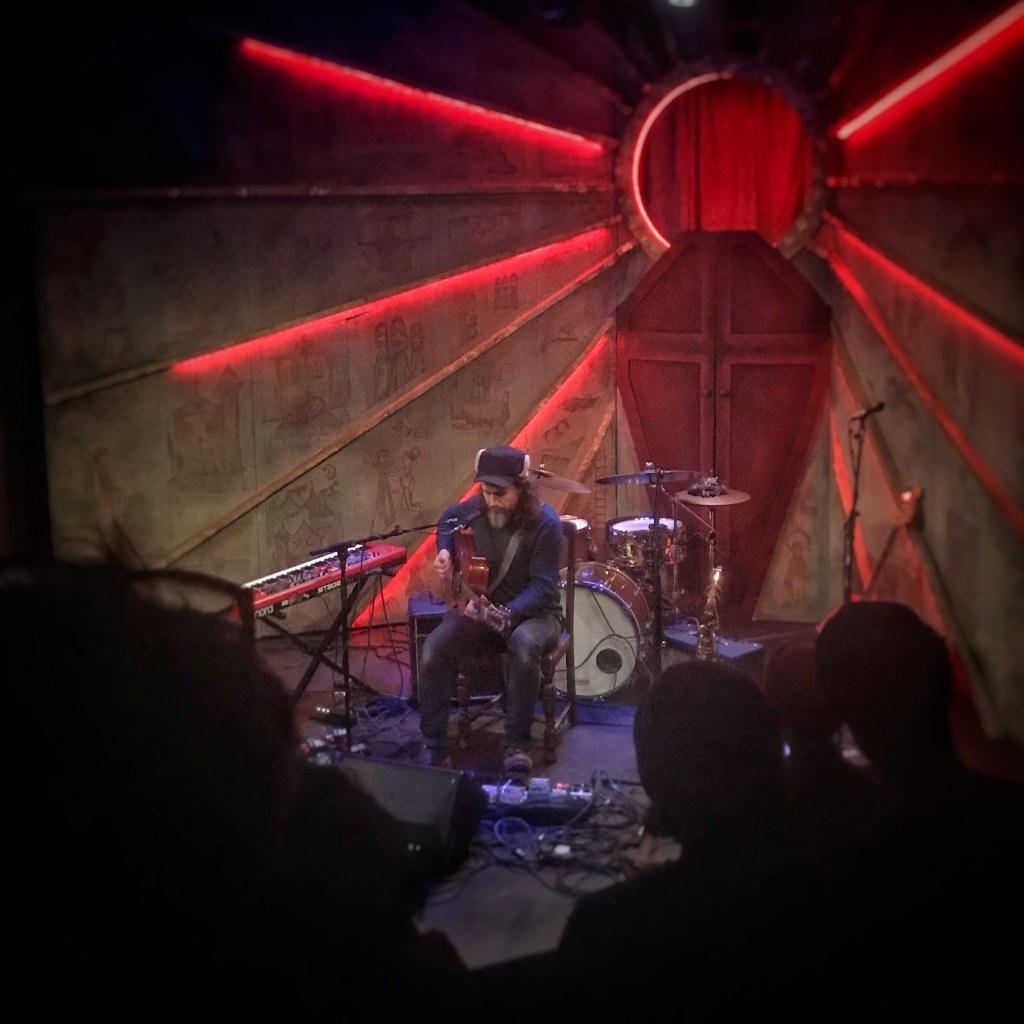
Over the weekend Tortoise and Terry Callier also featured on the Jazz Stage line up. My two abiding memories of that year were not actually Jazz Stage related, but watching Sonic Youth rip it up on Pyramid after the Tony Bennett legend’s slot. And watching Joe Strummer perform for the last time. In fact, that is me (right) with an old friend with the Mescaleros feat. Joe Strummer in the background. 


Roots Manuva: Jazz Stage 2009

Digging Through the Archives: Roots Manuva and Festival Memories. This time of year, as I gear up for the upcoming festival season, I finally get around to cleaning out my hard drives and sorting through old files. In the process, I stumbled across a stash of photographs that instantly took me back—like this one of Roots Manuva from 11 years ago.

Back then, our event was still known as the Jazz Stage, and that year’s lineup was nothing short of legendary. Alongside Roots Manuva, we hosted an incredible roster including Q-Tip, Playing for Change, Lamb, The Streets, The Black Eyed Peas, Baaba Maal, Steel Pulse, and many more.

Looking back at these snapshots reminds me just how vibrant and eclectic those festival days were.


The Night Before

The remnants of party poppers lie scattered, half-empty glasses wait to be cleared, and the hazy memories of last night’s revelry already begin to blur. We gulp down a cocktail of hangover remedies, hoping to patch together some clarity. A collective breath is drawn—a mix of relief and exhaustion—as if the madness of the past four years might finally loosen its grip. Yet this morning feels unchanged, mirroring the day before. The same yawning chasm that haunted us then remains unbridged, and still, we dance around the fire that has consumed us.

We are mourning. Lost and confused, grasping for a sense of normality that slips through our fingers—unspoken, almost unspeakable—because those forces that shaped our world have clipped our words, our voices, our right to express freely.

‘They’—a shape-shifting specter, different for each of us—have molded us into self-imposed victims. Blame is cast outward, always someone else’s fault. But as the dust settles, and we stand solitary, the weight of accountability falls squarely on our shoulders. The pothole in the road, the endless waiting lists, the insecurity of zero-hour contracts, even the crooked bananas on the shelf—we face these realities now, with no one else to blame.

Today, we stand, chest puffed against the cold wind, alone. But the turmoil of these past years was a symptom, not the root. And last night’s fleeting celebration—no matter how loud—was never the cure.

Forgotten Spaces

I’ve always been drawn to empty houses, especially those left to decay. This fascination has been with me since childhood, and it resurfaces every time I wander the South West countryside. On these spontaneous explorations, I frequently stumble upon abandoned farm buildings. Crossing their thresholds often feels like stepping into a silent intrusion—there’s a strange intimacy in finding personal items left behind. An old tie hanging in a cupboard recess, a rusted oil lamp on a windowsill—each object quietly holds its own story. They are fragments of past lives, mirrors reflecting not only those who lived there before but also my own memories.

Back in my hometown of Stockton-on-Tees, there was once an old dog racing track—Belle Vue Park—that opened in 1946 and closed around 1974. Nestled within its grounds was a grand old house with a large garage. After the stadium shuttered, it didn’t take long for us kids to find a way in, sneaking under the flimsy fencing to explore this forgotten world.

We raced our bikes around the stadium, chasing the electric course hare that zipped endlessly inside the track as the dogs frantically pursued it. We found our way into the house and offices, discovering the antiquated telecom and public address system. Singing the latest Slade single into the PA, taking turns shouting swear words to rouse the local neighborhood, and inevitably drawing the attention of the police car was our version of mischief and joy.

Belle Vue Park is long gone now, much like the men who once gave us threepence to watch over their cars during race nights. In its place stand rows of tidy two-story flats, filled with inhabitants enjoying their evenings. And yet, somewhere beneath their TV dinners linger the ghosts of memories, the echoes of lives that once pulsed through those grounds.


LIFE IN THE MARGINS

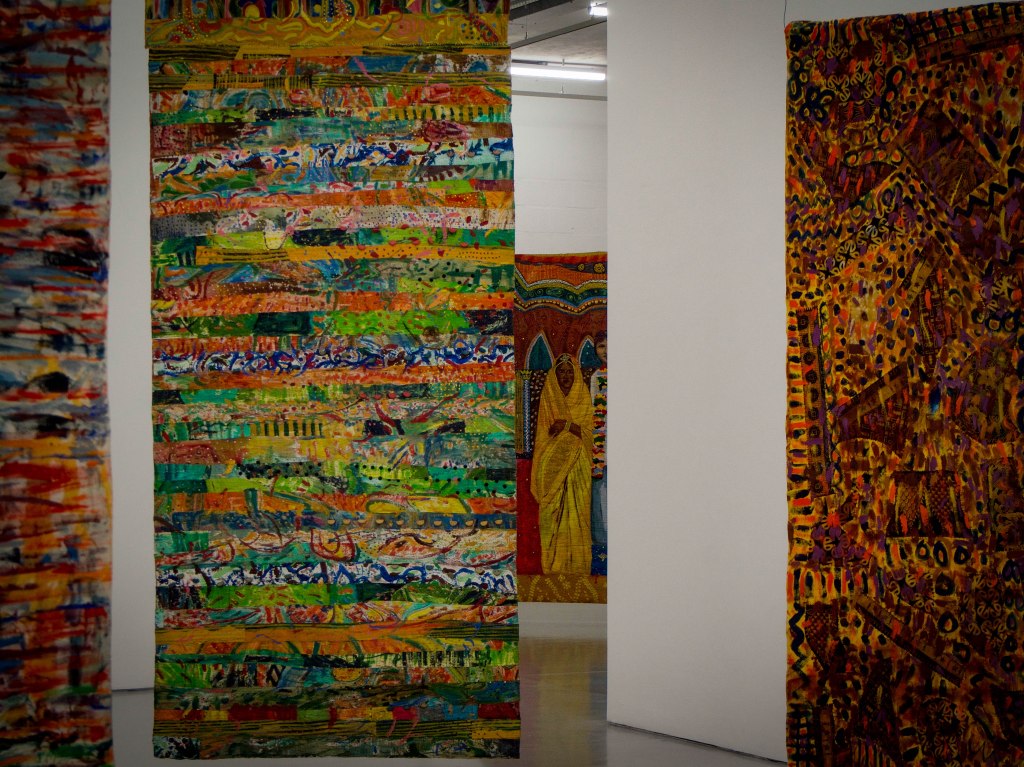
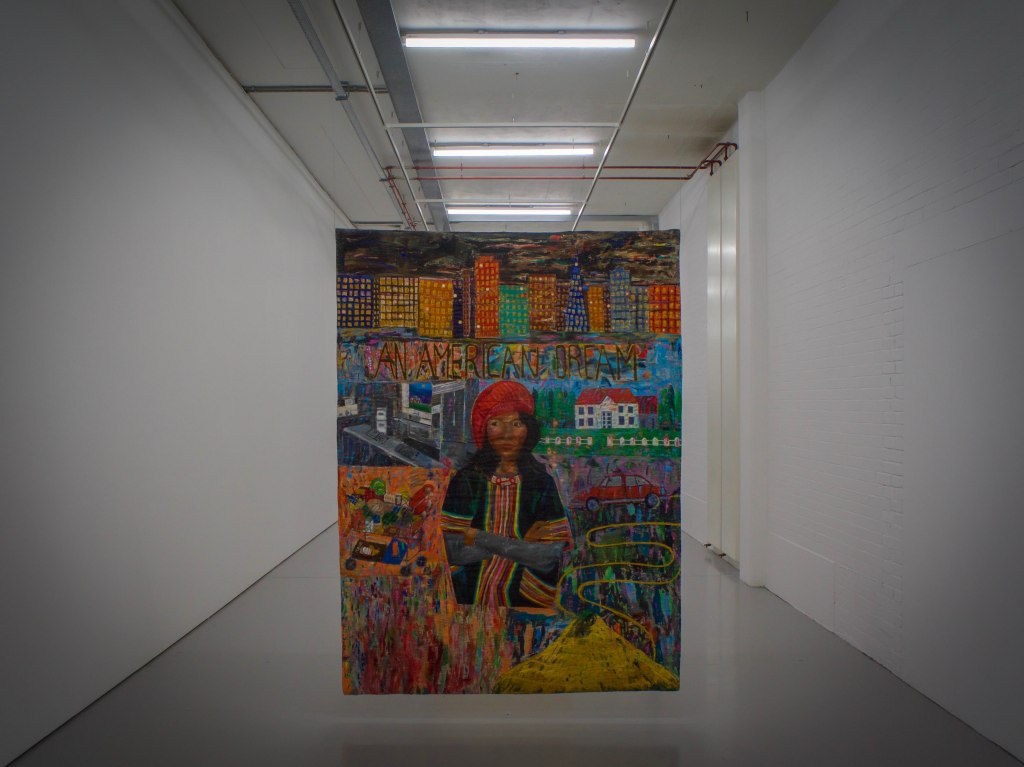
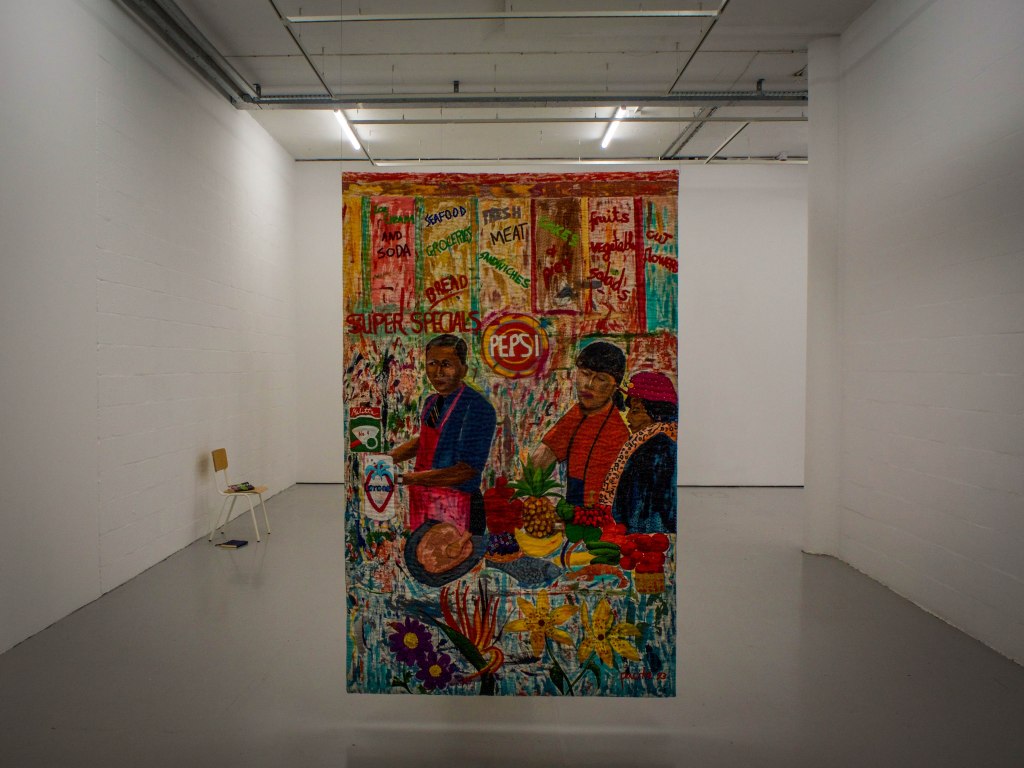
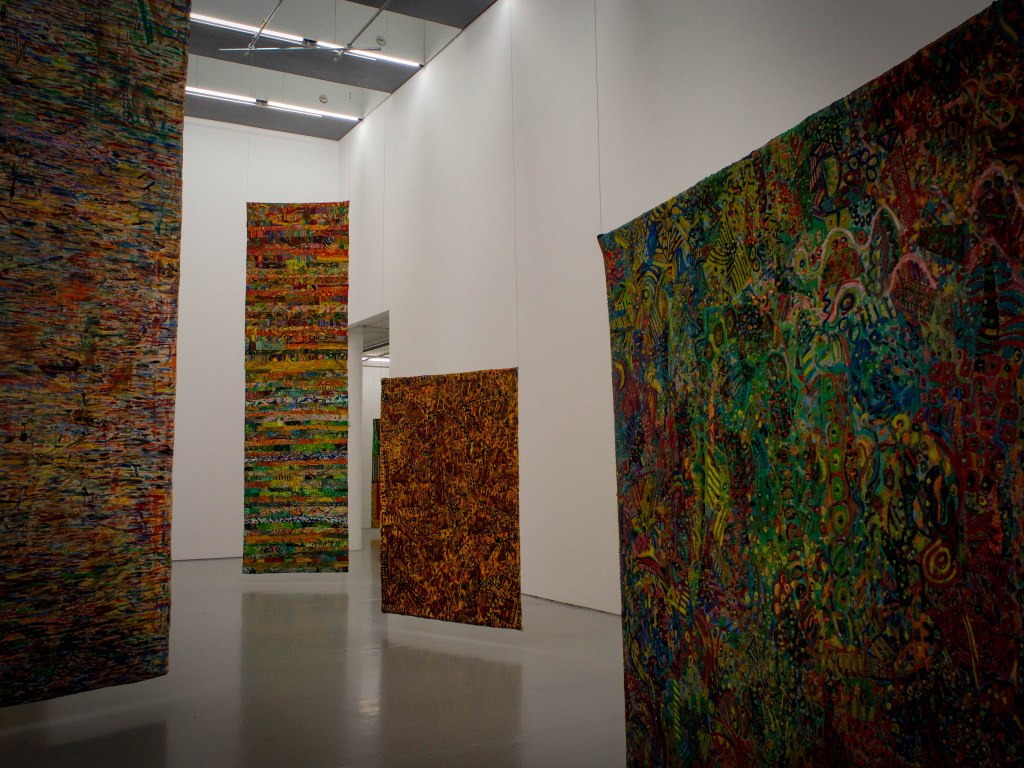
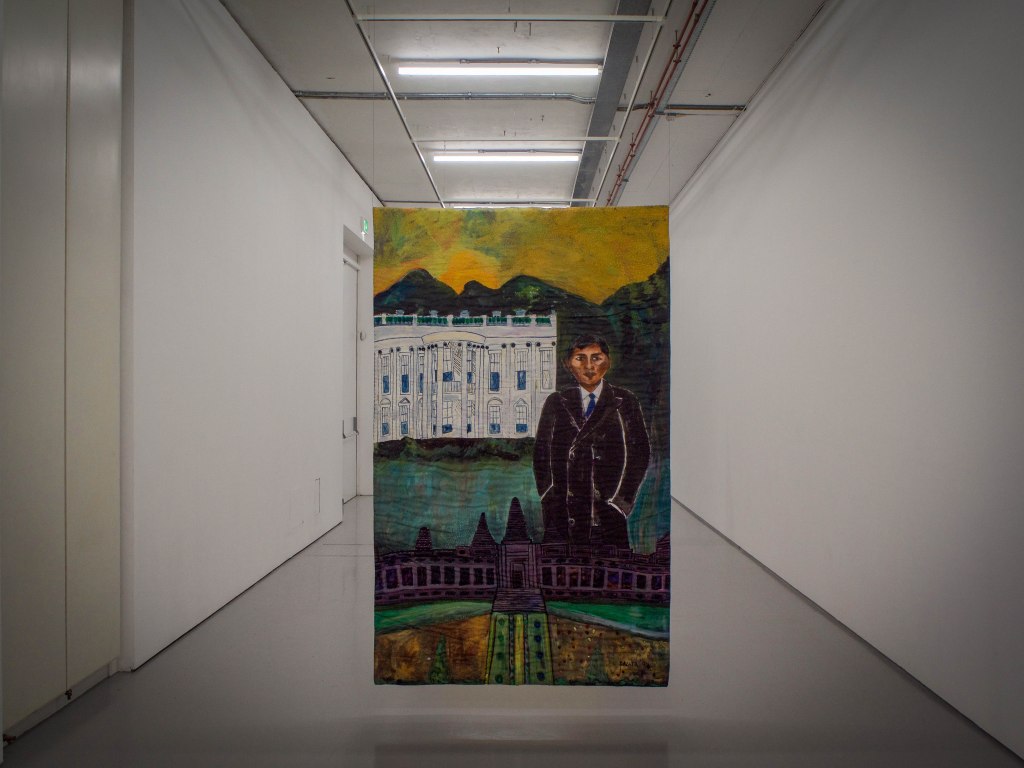
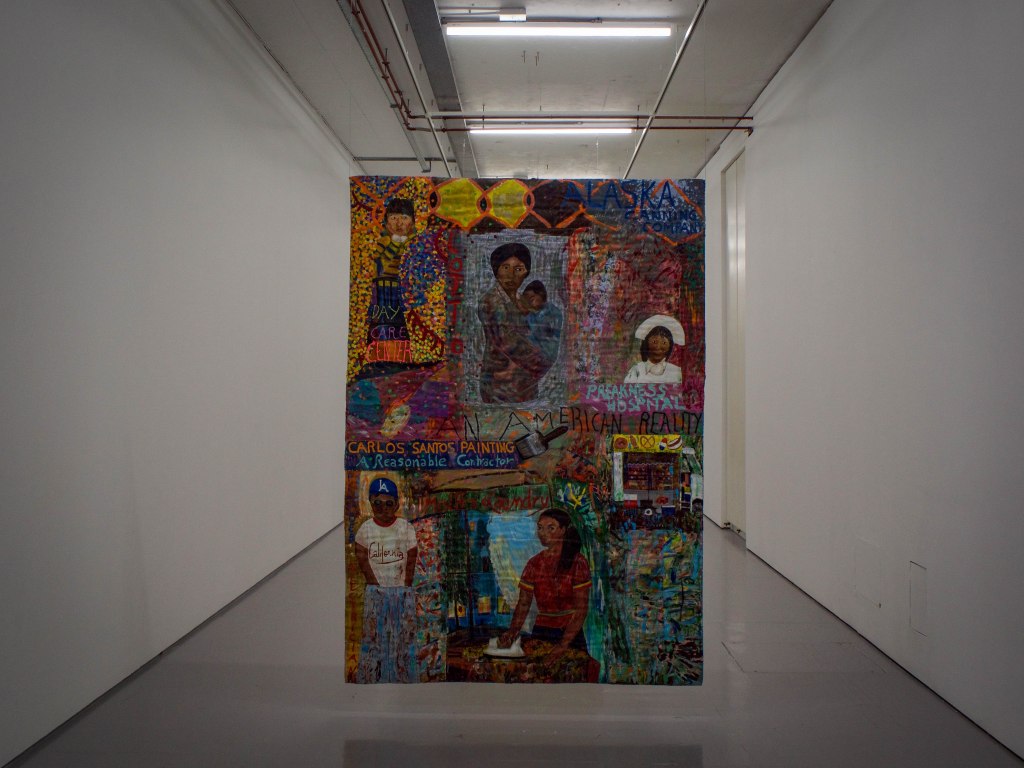
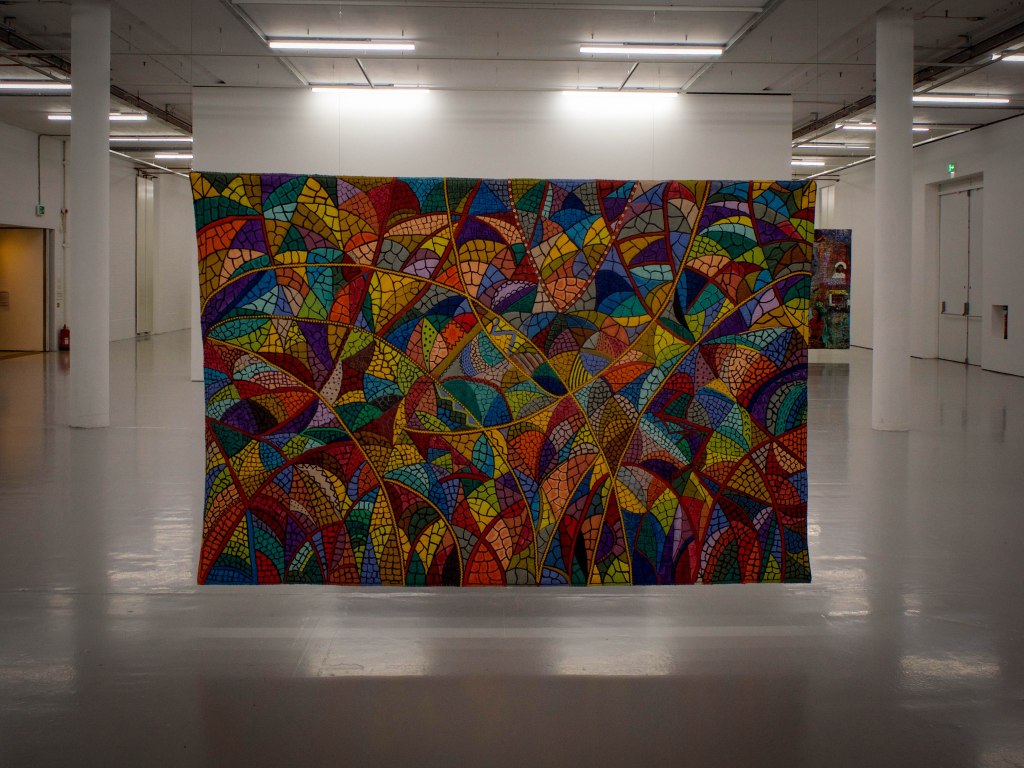
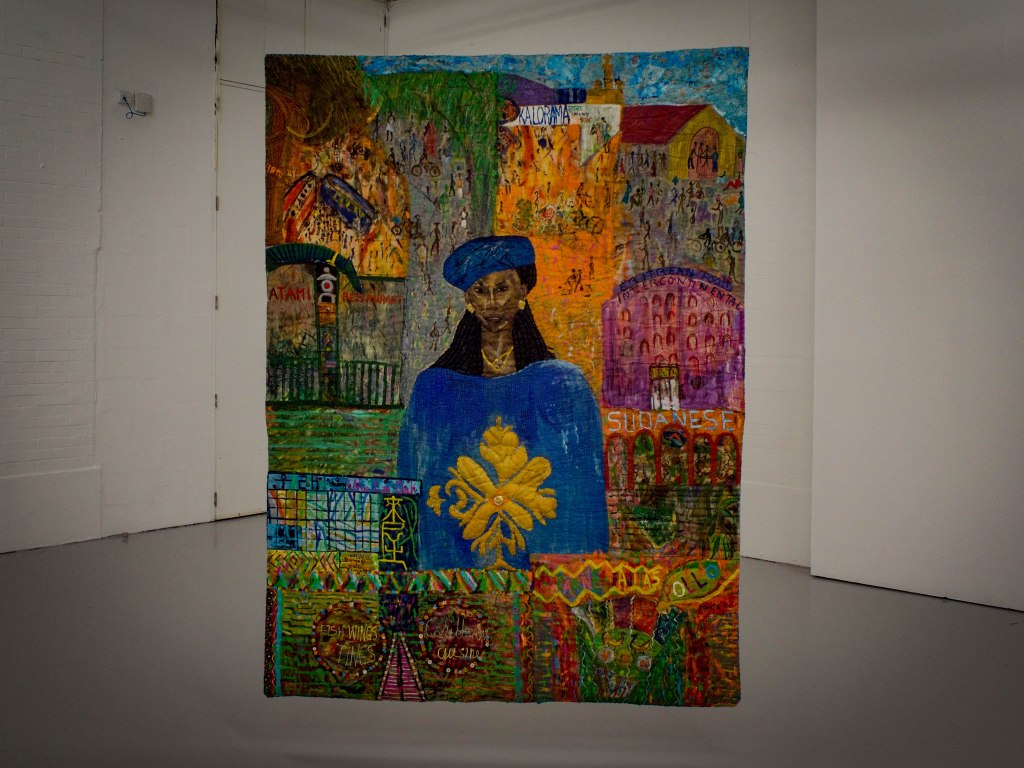
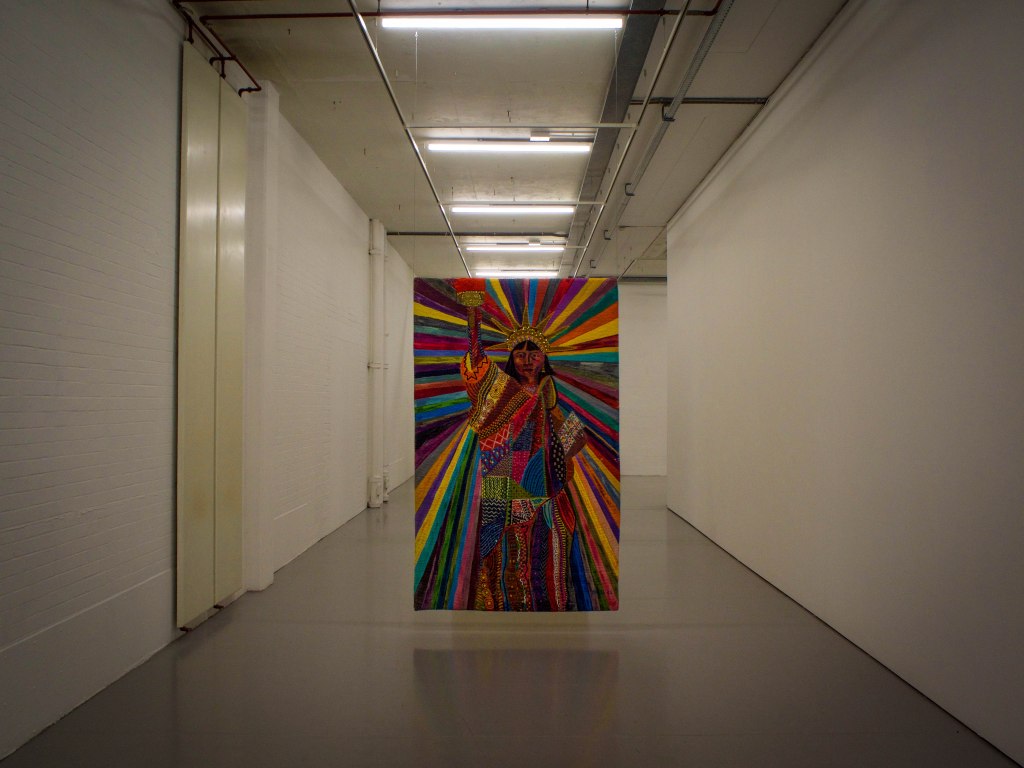
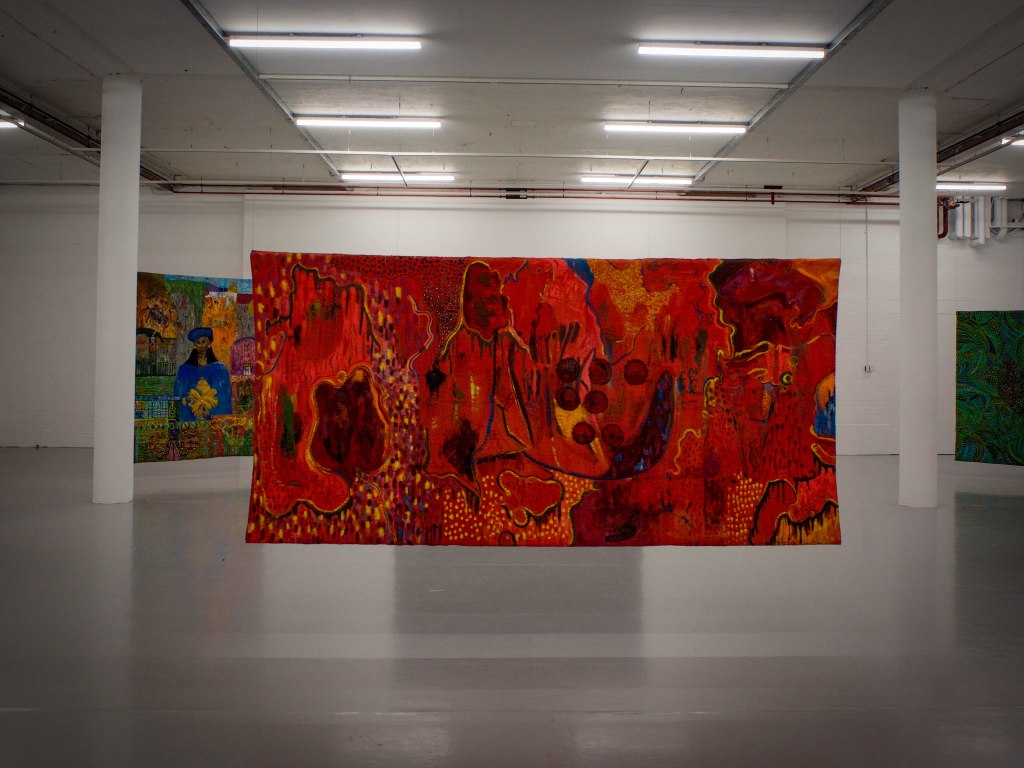
If you find yourself in Bristol before the 5th of April 2020, do not miss the opportunity to visit Spike Island and experience Pacita Abad: Life in the Margins. This remarkable exhibition is a vibrant celebration of the Filipino artist’s daring vision and unflinching exploration of identity, migration, and social margins.

From the moment you step inside, you are enveloped in a kaleidoscope of colors, textures, and narratives that pulse with life and resilience. Pacita Abad’s work, renowned for its intricate patchworks and vivid use of mixed media, challenges the boundaries of traditional art forms while giving voice to those often overlooked by society.

During my visit, I captured a selection of photographs, though they scarcely capture the profound energy and beauty of the exhibition itself. The walls hum with stories of displacement, cultural hybridity, and hope—each piece a testament to Abad’s ability to transform the margins into powerful centers of meaning.

This exhibition is not only a visual feast but also an immersive, thought-provoking experience. It invites you to reflect on the complexities of human connection and the resilience found in lives lived on the edges. For art lovers and curious minds alike, Life in the Margins at Spike Island is a must-see—an unforgettable journey through the vibrant world of one of the most compelling contemporary artists of our time.
Behind the Scenes of Global Metal Trading: The London Metal Exchange and Its High-Stakes Future

It might seem dry — even dull — but beneath the surface, the London Metal Exchange (LME) is a cornerstone of the global economy. Situated at 10 Finsbury Square, London, the LME is the undisputed hub for trading industrial metals ranging from lead to gold. In 2018 alone, it handled a staggering $15.7 trillion worth of trades, moving 4.1 billion tonnes of metal ‘lots’ worldwide.

The LME’s story took a pivotal turn in 2012 when Hong Kong Exchanges and Clearing Limited (HKEx) acquired the 135-year-old institution for approximately £1.4 billion. HKEx, itself formed in 2000 through the merger of three Hong Kong financial entities, has positioned itself as a global market giant with a strategic focus on “China Connectivity.”

The acquisition raised eyebrows at the time. The Financial Times reported that the deal was a lucrative windfall for major banks and brokers, with JPMorgan, Goldman Sachs, and the Bagri family (owners of Metdist) receiving hundreds of millions in payouts. Meanwhile, the LME’s Chief Executive was reportedly set to receive a bonus nearing £10 million.

Seven years later, the ambition to build a seamless commodities bridge between East and West has fallen short. As HKEx Chief Executive Charles Li candidly put it: “All you need to think about is if this is the right asset for us. The rest is detail. You don’t worry if the price is right.”

The geopolitical and financial context continues to evolve rapidly. In December 2019, Valdis Dombrovskis, the European Commissioner for Financial Stability, issued a stark warning to the UK. Post-Brexit, London’s financial sector risks losing its privileged access to EU markets unless it maintains close regulatory alignment. Speaking to the Financial Times, Dombrovskis underscored that “access will depend on Britain not starting to engage in some kind of deregulation.”

As tensions simmer in Hong Kong — where Beijing accuses foreign powers of fomenting unrest — China watches closely the unfolding UK-EU negotiations. The LME itself is not idle, maintaining a strategic presence on the 7th floor of the MYP Centre in Singapore, clearly positioning itself amid shifting global trade currents.

In a world where markets, politics, and diplomacy intersect, the future of the London Metal Exchange will be a barometer not only of metal prices but of broader geopolitical alignments — a silent, yet potent, indicator of the times.

Let’s go on a journey and never come back.

The Bridge Builder’s Son

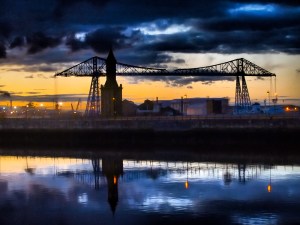
He stood at the very peak of the Transporter Bridge, nearly 800 feet above the River Tees, arms stretched wide like a crucifixion — a pose both defiant and fragile. The cold bit deep into his chest, a thousand invisible razors tearing through the shivering resilience he’d summoned to make this climb.

A long, steady breath in, the chill settling into his bones. Then out, warm breath misting in the night air, disappearing among the scattered stars and drifting satellites orbiting the northern sky. Around him, the patchwork of Teesside stretched wide — homes and factories, office blocks and shopping centres glowing faintly like a puzzle of flickering lights. Below, headlights traced slow rivers along empty streets, a quiet pulse in the sleeping industrial heart.

The nightshift belched smoke and sparks beneath him — a fiery dance in rhythm with the coming dawn. The silence was broken only by a soft breeze, weaving through the iron ribs of the bridge and tousling his hair. This bridge — this giant steel beast — was more than metal. It was a monument to resistance, born from the sweat and grit of men who built their lives around her.

She stood firm through time, untouched by the years that corroded everything else — unlike the lives she once held up. Now, she cast a long shadow over carparks and empty pubs, cheap shops selling fleeting escapes, places cracked and worn with forgotten promises.

That monstrous steel frame stirred something primal, a childhood fear mingled with awe. She was a guardian and a ghost, weeping with the river at her feet. Below, the empty streets and boarded-up factories whispered stories of lost generations — the ghosts of landlords and workers, their echoes carried by the wind.

Each step up the bridge pulled him deeper into memory, to his father — a man gone too soon, but still close in every heartbeat. Their bond was carved from quiet love, the gentleness that had shaped a boy into a man.

Now, at the top, he looked down at the river flowing like dark blood beneath him. With trembling hands, he unzipped his backpack and pulled out the small canister inside. Closing his eyes, he whispered, “I love you, Dad.”

The ashes drifted slowly into the open sky, carried by the breeze, then fell into the black river below. There, in the currents of the Tees, they would be carried out and back again on the evening tide — waiting for the day when the Bridge Builder’s son would come once more.