Revolutions are Made at 78rpm

30 minutes mix of digitally transferred phonograph records from the age of 78rpm, which changed the face of music forever and ushered in the age of rock n roll. Things would never be the same again with the exception that as then and as today the musician gets ripped off. Expect the odd crackle, pop and the unexpected. For those who went before and to those who stand on their shoulders. I salute you.

Before the East Fell: Cassette Punks

I recently stumbled upon a dusty box of old cassette tapes—handcrafted mixtapes I either recorded myself or swapped with friends back when I was about 16 or 17, sometime between 1977 and 1979. Now carefully digitized and uploaded here, these tapes open a raw, authentic window into the gritty DIY punk scene of the late 1970s.

The tracks on these recordings have likely been buried in obscurity for decades, featuring a treasure trove of bands from my native north-east — most of whom I was lucky enough to see live in those chaotic, electric days. When better-known groups appear, I’ve deliberately picked lesser-known cuts to keep the spirit underground alive.

As you might expect, the sound quality is a little rough around the edges—authentic tape hiss and all—but that’s part of the charm. So buckle up for 45 minutes of unfiltered noise and rebellion, captured at a time when the internet was still a wild dream, and punk was a loud, vivid reality.

Mix-Tapes

Vol.1: Leo’s Sunshipp, Pete El Conde Rodriguez, Johnny Hammond, Orchestra Harlow, Billy Stewart, Chuck Carbo, Robert Parker, Broadneck, Johnny Otis Show, The Gil Evans Orchestra.

Vol.2: Ofege, People’s Choice, Funkadelic, Edwin Star, Betty Davis, Lil Buck & The Top Cats, Skip Easterling, Cymande, Fabulous Emotions, Barry White.

Vol.3: Robert Belfour, Sly & The Revolutionaries, Charlie Louvin, Centers, The Lafayette Afro Rock Band, Afrissipi, The Selector.

Vol.4: Air, Mum, The Bees, 1 Giant Leap, Craig Armstrong, Moby, Badmarsh and Shri.


End Games

Realisation has a way of sneaking up on you—slow, almost imperceptible, yet wrapped tightly in the simplest form of common sense. For me, it came quietly toward the end of 2018, the moment I deliberately stepped back from social media groups, especially those sprawling Facebook communities. What began as hopeful spaces for open dialogue and genuine free speech among people with differing opinions had morphed into something far darker.

This past weekend, curiosity got the better of me, and I tentatively dipped my toes back into that digital ocean.

The calm I’d grown accustomed to over months evaporated instantly—like morning mist chased away by the harsh glare of the sun. Within hours, I was pulled into a whirlpool of toxic arguments, rife with intolerant attitudes and bitter resentments. One particular Facebook group felt less like a forum and more like a grim echo chamber—populated mostly by frustrated, angry voices, overwhelmingly white men, lobbing lazy, manufactured memes and personal attacks with the fury of children flinging custard pies. That’s where we’ve landed. Is this really the state of discourse in the UK?

We don’t talk anymore. Worse, we don’t listen. Instead, we shout louder, mock more viciously, and often seem determined to wound each other. Our nation feels splintered, like a fragile union trembling on the brink of collapse. Battles over identity rage at the extremes, while the silent majority looks away, burdened by shame and embarrassment. Meanwhile, the rest of the world watches in disbelief, trying to make sense of a once-proud country unraveling before their eyes.

And so, on that Saturday, I did something quietly radical. I switched off from the noise and digital chaos, stepped outside, and said hello to a complete stranger while walking my dog. Sometimes, that’s where true connection begins.

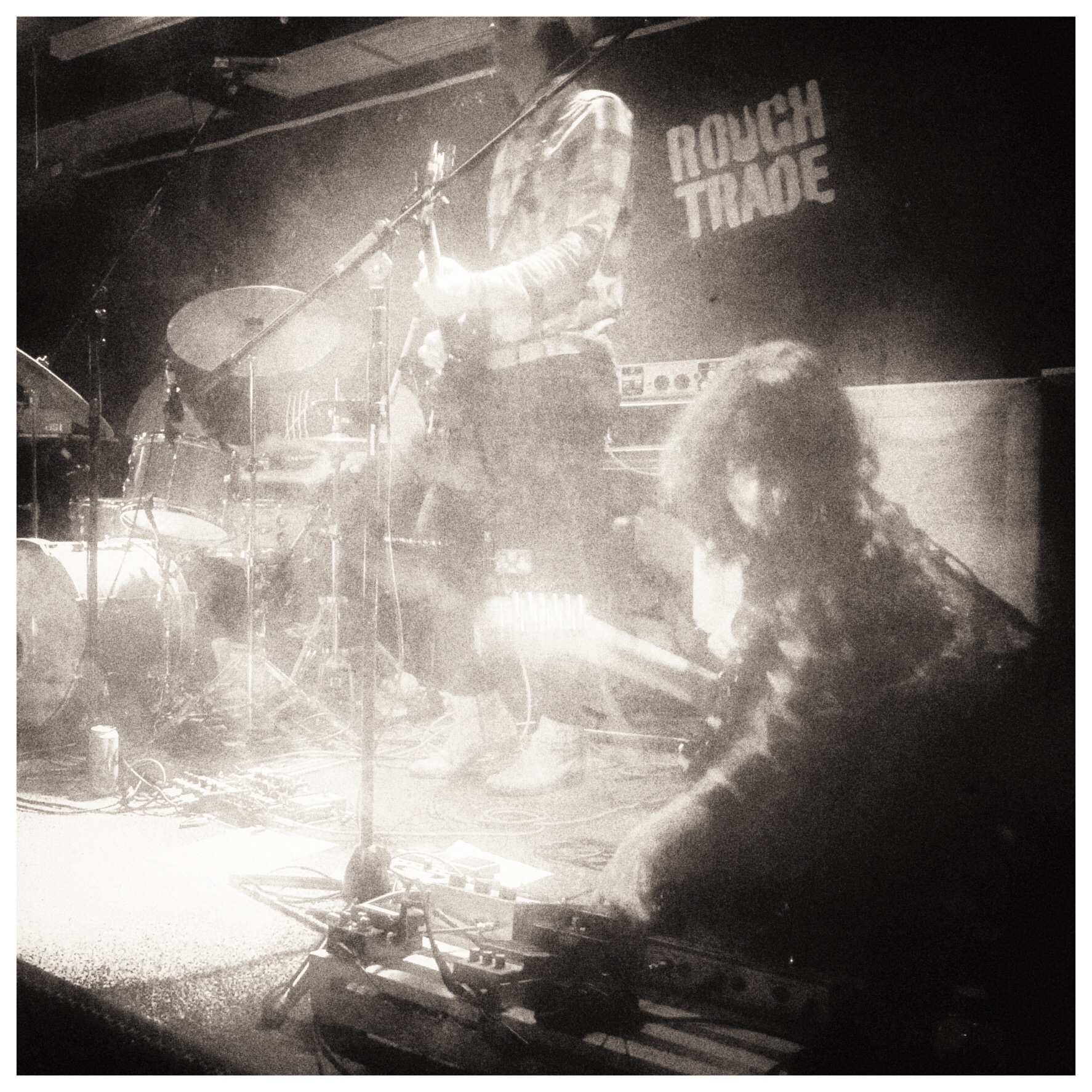
Lorelle Meets The Obsolete: Bristol Rough Trade 15.01.19

When the Person You Knew Becomes a Stranger

I want to share a recent experience that shines a small but revealing light on a troubling trend sweeping communities—not just here in the UK, but in the US and beyond. It’s about perception, personal accountability, and the double lives some people choose to live. It’s about how we engage and communicate as we shift between our real, everyday lives and the virtual world of social media, where the person you think you know can suddenly feel like a complete stranger.

Most importantly, it’s about how ignorance is preyed upon to deliberately fuel hate and toxicity—poison that has seeped deep into our culture and been weaponized by politicians. George Orwell’s classic 1984 introduced us to “doublespeak,” where words mean their opposite: when Big Brother says “Love,” he means hate; when he says “Peace,” he means war.

When my family and I left Salisbury after seven happy years and returned to Bristol, we left behind a circle of friends who enriched our lives and whom we still cherish. Our Salisbury neighbours, the vast majority, treated us with kindness and warmth. Among them was Peter—a handyman, a regular visitor, someone we trusted. Even our dog, Poppy, lit up at his voice. Peter was there when we needed him, or so we thought.

But once we settled in Bristol and reconnected with friends on Facebook, a harsh and unsettling truth emerged. Suddenly, hateful posts and images from extreme right-wing groups started appearing in my feed—posts far beyond shock-jock tastelessness and often linked to groups known for violence.

The source? Peter.

He posted ugly, offensive content. His obsession with reinstating the Golliwog doll as a symbol of “Britishness” was particularly disturbing. After my wife sent him a heartfelt message calling out his behaviour, he responded with nothing but a thumbs-up emoji—and carried on.

I decided to confront his hate head-on, not expecting to change his mind, but hoping to plant a seed of doubt in his followers and family who witnessed the online clash. It didn’t surprise me that hateful voices quickly retreat when challenged calmly, only to sneak back once they think no one is watching. That’s exactly what Peter did.

Recently, noticing his posts getting fewer likes, Peter launched attacks on my Facebook page. He’s a staunch supporter of Brexit, UKIP, and Trump-style politics—his bigotry clearly intertwined with his politics. Watching him stumble and flail as my friends challenged him online became one of my moments of the year.

Things escalated further after he tried to use Remembrance Sunday to score cheap political points. I simply asked him to show some respect for those who made the ultimate sacrifice. Not long after, he returned to his Golliwog fixation. When I challenged him again, he defended himself with the tired excuse of having non-white friends, then blocked me after I asked if he’d buy his friends’ children such a doll for Christmas.

Peter is a textbook case of Orwellian doublespeak. What he says and what he does are worlds apart. The toxic content he shares is fed to him by extremist groups he chooses to associate with—and in doing so, he becomes a reflection of them.

Why share this? First, I’m relieved Peter is no longer part of our lives. But more importantly, we live in dangerous times when decency and moderation seem out of fashion, and reactionary, nationalist, racist politics try to claim space. These voices are not the mainstream, and they never will be.

Those of us who know better must stand united, calmly resist, and push back the hate under the rocks it crawled out from. Have the courage to challenge those who mean harm, no matter who they are. And remember the wise words of Bill Hicks: “Love all the people all the time.”