Author Archives: John Kerridge

Unknown's avatar

About John Kerridge

I have a camera, drink tea and trip on untied shoe​ laces.

Glasvagas: The Thekla, Bristol 17.10.18

— a vessel both unforgiving and electrifying.

For those who haven’t yet experienced the raw, gritty soul of Bristol’s Thekla, imagine an old ship moored deep in the Mud Dock, its wooden bones creaking under the weight of decades of music history. Bands who step on its stage shed any illusions of comfort — there’s no hiding here. Over the years, I’ve witnessed countless artists emerge from bedrooms, garages, and studios only to have their craft tested, stretched, and laid bare against the harsh, unforgiving elements of this floating fortress.

Tonight, the atmosphere buzzes with a tangible electricity. The 400-capacity room is packed to the rafters, a sell-out crowd buzzing with anticipation for Glasvegas—a band returning to the stage to perform their self-titled, platinum-selling debut album from 2008 in its entirety. A decade has slipped away since that landmark release, yet the album still resonates like a classic, effortlessly blending layers of swirling guitar feedback with harmonies reminiscent of the Ronettes. Frontman James Allan’s lyrics—brittle, raw, and steeped in loneliness, love, and loss—cut deep, proving timeless in their emotional weight.

From the moment the first chords ring out, there’s no sinking into the depths tonight. The opening thirty minutes unfold as near-perfect rock ‘n’ roll theater—tight, passionate, and filled with a palpable urgency. As the night progresses, something extraordinary happens. Four hundred voices rise in unison, singing word for word, line for line. The crowd’s devotion is so overwhelming that the band themselves pause, stepping back from their instruments to soak in the moment, the feedback, the powerful connection.

Glasvegas hasn’t just played their seminal album—they’ve resurrected it, reminding everyone in the room why this record still matters, why these songs still cut to the bone. Tonight, the old ship didn’t creak under the weight of nostalgia—it soared.


Idles, Bristol SWX: 16.10.18

Ding, ding — round two. Back in the ring with Idles.

After first catching their incendiary performance on April 8th at the Komedia in Bath, six months later it’s clear: this band is on a rocket-fueled trajectory. Since then, Idles have dropped their second album, smashing into the UK Top Five, stormed the globe on tour, flooded TV and radio waves, and now, with a sold-out UK tour under their belt, they’ve firmly cemented themselves as the most vital band to emerge from these shores in recent memory.

Tonight, at SWX in Bristol, the volume is cranked, the pace relentless. Support band, Heavy Lungs impress with their raw, jagged sound, but it’s clear where the night’s true pulse lies. Idles tear through their set with the manic energy of the Village People on acid — chaotic, exuberant, utterly uncontainable.

At Bath, their live energy carried them through, but here? With an ever-growing and wildly responsive crowd, their confidence is sky-high — and rightly so. It takes guts to invite fans onstage; it takes pure, unshakeable confidence to hand over your instruments to them. What follows is glorious mayhem — a glorious, beautiful shambles — feeding the band’s raw, unfiltered energy, making this performance feel like a living, breathing beast.

There’s a rare and electric bond between band and audience tonight, a connection that harks back to punk’s wild heyday in the late ’70s, or the anarchic stage invasions at early Smiths gigs. Idles shows are celebrations of life — raw, flawed, unapologetic — a much-needed antidote in an era where hate and division have become disturbingly mainstream.

Sure, rock bands have always had their audiences eating from their hands. But in today’s sterile, overproduced musical landscape, it’s a rare gift to witness a band that means more than just the product they sell. Tonight, that gift belongs to Idles.

Thank fuck for Idles.

Narrow Screen

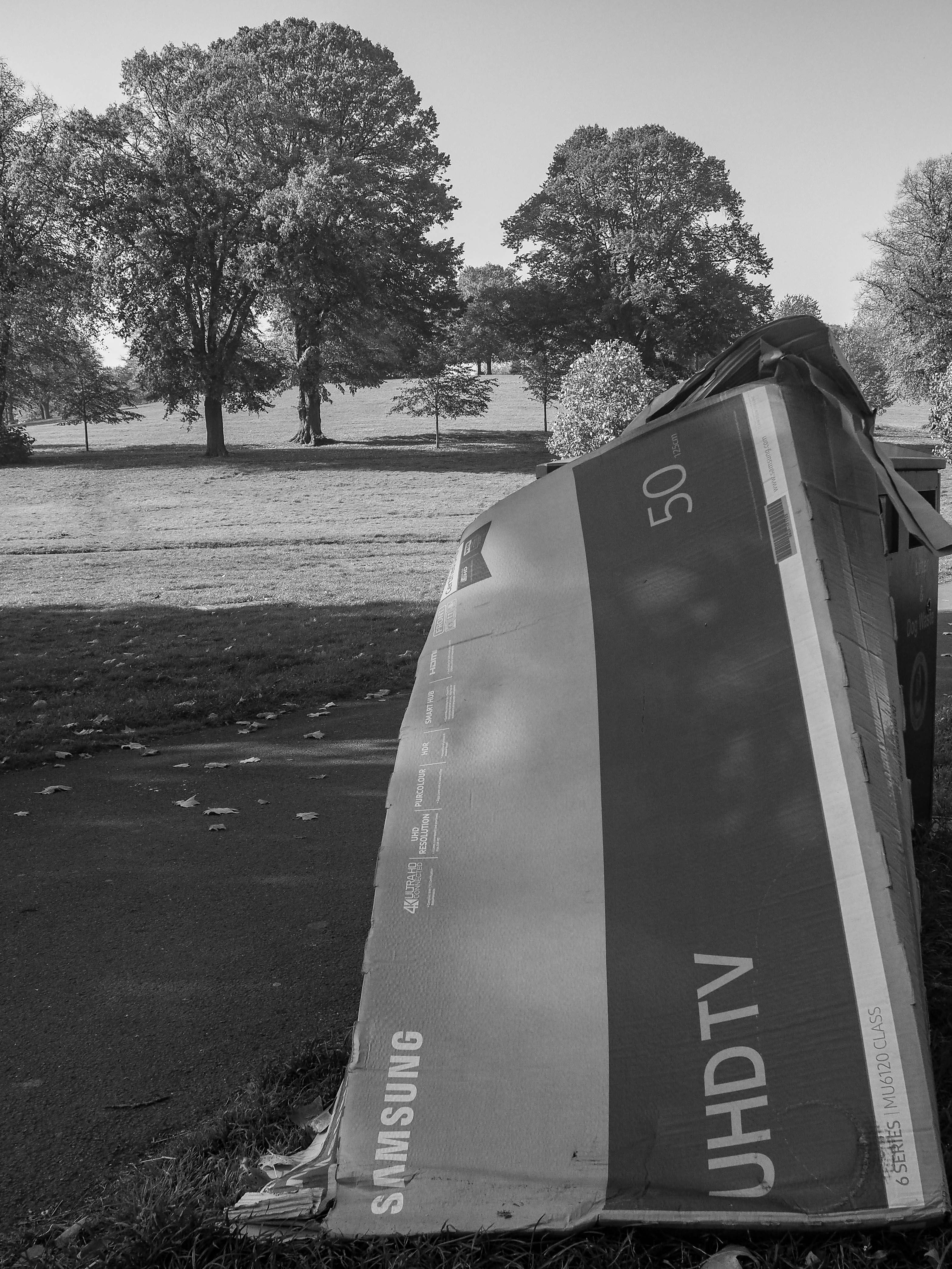
Our hero strides away from the retail park, a grin tugging at the corners of his mouth, excitement prickling through his veins. A small, involuntary drip of pee seeps down the inside of his left thigh—an unspoken testament to his anticipation. He’s just secured his prize: a gleaming 50-inch Samsung widescreen, a portal to endless pleasure and distraction.

That cool, slightly damp feeling against his skin only fuels the eagerness. He can barely wait to wrestle this beast inside, to peel back its black-tinted glass doors and unleash a flood of colour and sound. There, waiting like a treasure trove behind those sleek panels, lies a marathon of action-packed shows, Netflix’s glossy revivals of wars long past, and a world of Xbox adventures begging to be conquered.

Clutching his fragile, slightly bent joystick—his trusty sword in these digital crusades—he’s ready to journey through mythical lands and storm enemy fortresses, all from the sanctity of his living room.

But first: the cardboard box. A looming mountain of packaging, bulky and conspicuous. Where to stash it without inviting the gaze of neighbours or the prying eyes of postmen? Then, a flicker of inspiration sparks in his reptilian brain. Slithering through shadows, he slips to the nearby public park under the cloak of night, abandoning the box like a guilty secret in the moonlight.

Back home, pride swelling in his chest, our self-made hero lets out a satisfied sigh. The screen flickers alive—radiating artificial light, exploding in bursts of radiant green, red, and pulsating blue. The room comes alive with electric energy.

And there he is—the wanker, king of his castle, ruler of pixels and cardboard kingdoms alike.

Canzoniere Grecanico Salentino

Canzoniere Grecanico Salentino (CGS), a vibrant force in traditional Italian music, was born in 1975 under the visionary guidance of writer Rina Durante. Hailing from the sun-soaked region of Salento in Southern Italy, this dynamic seven-piece ensemble, accompanied by a captivating dancer, breathes new life into the ancient rhythms of Pizzica — the fiery, hypnotic folk tradition that has echoed through generations.

With a unique blend of reverence and innovation, CGS transforms Pizzica into a contemporary celebration of sound and movement, where every note pulses with the heartbeat of Salento’s cultural soul. Their track Lu Guistacofane, featured on the acclaimed album Canzoniere, is a testament to their magnetic energy. It’s nearly impossible to stay still when this irresistible beat takes hold — you’d have to be downright stiff from the waist down not to get swept up in the dance.


Ólafur Arnalds: Bath Forum: 26.09.18

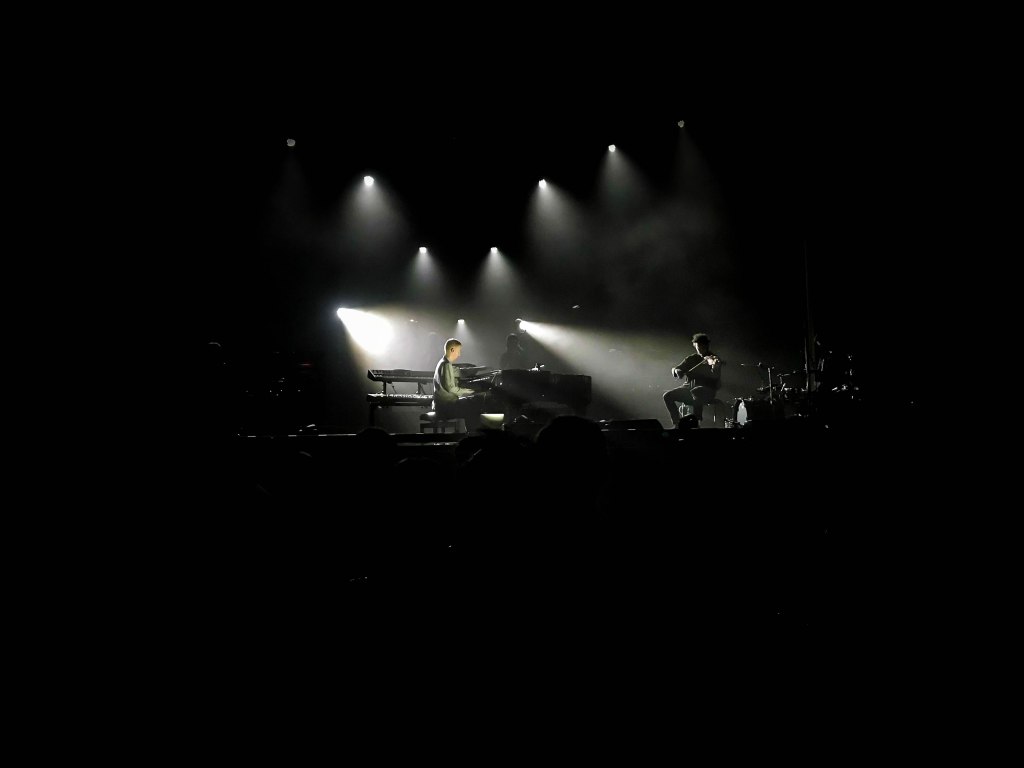
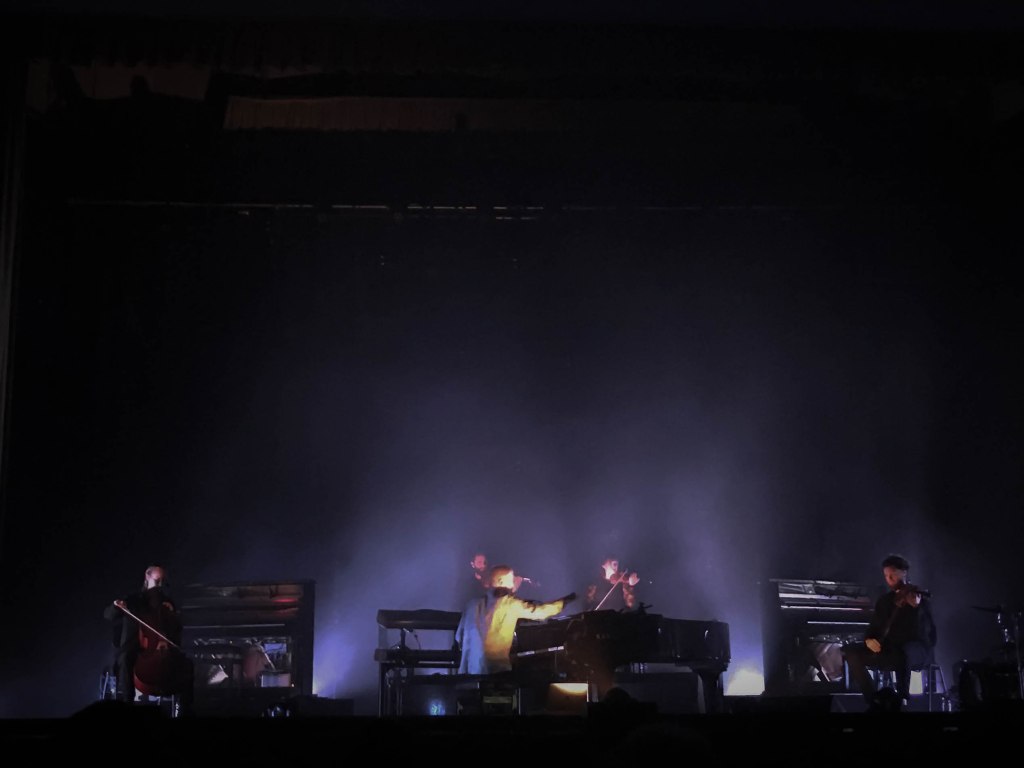
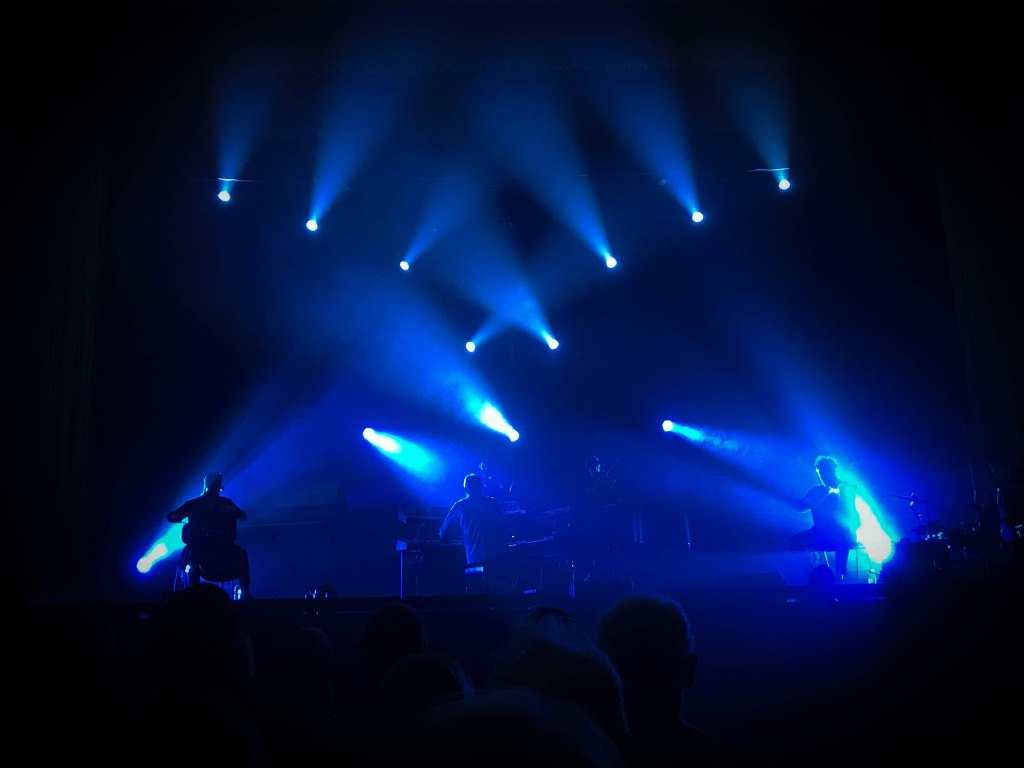
A Journey Through Silence, Sound, and Soul – From the moment Ólafur Arnalds steps onto the stage, it’s clear this is no ordinary concert — it’s a voyage. Between delicate, haunting melodies tonight, Arnalds shares glimpses into his world of constant travel and deep reflection. When not touring, he confesses, he escapes by wandering the globe, drawing inspiration from the places he visits. On this night, it was the Balinese Nyepi — the “Day of Silence” — a day when the entire island shuts down in quiet meditation. The irony isn’t lost on him when he jokes about taking a hot bath on Bath’s own Hot Bath Street earlier that day — a moment of surreal connection between his travels and the city hosting him.

But tonight’s experience goes deeper than travel anecdotes. Arnalds pulls back the curtain on his unlikely journey from hardcore punk drummer to one of modern classical’s most sensitive voices. He reminisces about his first visit to Bath in 2007, pounding the drums for the underground punk band Fighting Shit in cramped pubs. It’s almost impossible to reconcile that rough-edged past with the fragile beauty he now creates.

Yet, the seeds of this musical transformation were planted early, nurtured by the tender influence of his grandmother. The metal-loving, punk-thrashing Ólafur would sit with her, enveloped in Chopin’s sonatas, a stark contrast to his own youthful rebellion. He shares a poignant memory: at her deathbed, she lay frail yet serene, listening to Chopin one last time. “She was old and sick, but very happy and proud,” he says softly. “I kissed her goodbye and left. She passed away a few hours later.”

That intimate connection reverberates through tonight’s final piece — Lag Fyrir Ömmu (Song for Grandma). As the first notes fill the room, the full circle of his story settles over the audience like a warm embrace. It’s a fragile, evocative farewell that makes every note, every silence, profoundly meaningful.

Ólafur Arnalds’ music is a journey — through time, memory, and emotion — and tonight, it’s impossible not to be carried along.