Category Archives: Photographs

Images – taken by me – Inspired by others. A bigger collection can be found on my Flickr account just follow the link on the main page.

Embrace

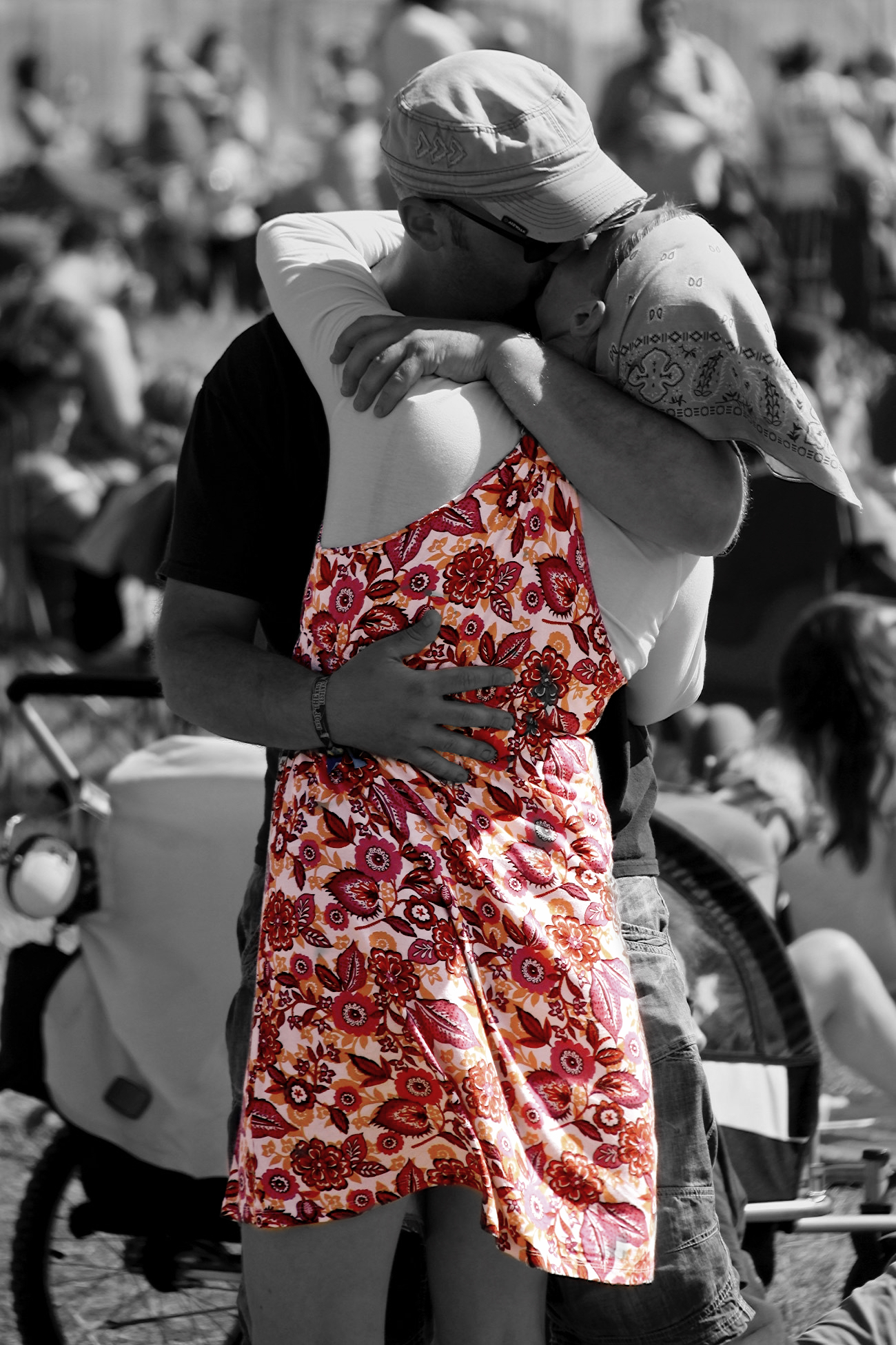
They stood above the crowd as I was walking towards the front of the stage. At first they spoke a few words and then smiled at each other. The type of smile that comes from security and comfort, which can only be  exhaled through shared love. It was not only the kiss, but the way they held each other. The embrace. A moments silence, I took the shot and the camera fell to my side. They separated from their embrace and people in close proximity were all smiling.

Lovers Town

Fatoumata Diawara

Fatoumata Diawara was born in Côte d’Ivoire to Malian parents before moving to France to pursue an acting career. She later took up the guitar and began composing her own material, writing songs that blend Wassalou traditions of Southern Mali with international influences. In September 2012, she featured in a campaign called “30 Songs / 30 Days” to support Half the Sky: Turning Oppression into Opportunity for Women Worldwide, a multi-platform media project inspired by Nicholas Kristof and Sheryl WuDunn’s book. In 2013 her world tour culminated in a landmark performance at Glastonbury, West Holt Stage where I took this shot.

Mudeford Spit

Historically part of Christchurch, Mudeford Spit was sold to Bournemouth Borough Council in 1935. It is the larger of the two features, the other being the Haven, that almost encloses Christchurch Harbour, leaving the water within to exit through a narrow channel known as The Run. Formed by sand and shingle brought around Hengistbury Head by longshore drift and pushed towards the shore by waves from the east, the spit is the most mobile of Dorset’s geographical features.

The Beach huts, located on Mudeford Spit, can be reached on foot or land train from the Hengistbury Head side of the harbour, or by the Ferry from Mudeford Quay. When available for sale the asking price for a single beach hut can be as much as £250,000, which does not include £2000 per year leasing charges and the annual council tax.

West Norwood Cemetery, London

West Norwood Cemetery embraces dignified silence, being reflective, there is a deeply respectful and humbling sensation from visiting this cemetery. An appreciation of ones own allotted space in this metropolis we call a world that carries on regardless of individual circumstances. The realisation that time is the most precious resource we have freely inherited from our parents. Cemeteries are indeed emotive spaces and nowhere is this more evident than West Norwood Cemetery.

One of the magnificent seven cemeteries of London and recognised as a site of major historical, architectural and ecological interest. West Norwood Cemetery has the reputation of holding one of the finest collections of sepulchral monuments in London, featuring 69 Grade II and Grade II listed buildings and structures, including a dedicated Greek Orthodox necropolis with 19 listed mausoleums and monuments. Its extensive Gothic Revival architecture qualifies it as one of the significant cemeteries in Europe. The cemetery has a very active Friends of Group that aim to increase knowledge and appreciation of the Cemetery. The group hold general tours on the first Sunday of every month, special themed tours of the cemetery during the summer, and meetings with talks during the winter.

William Golding’s footsteps: Salisbury

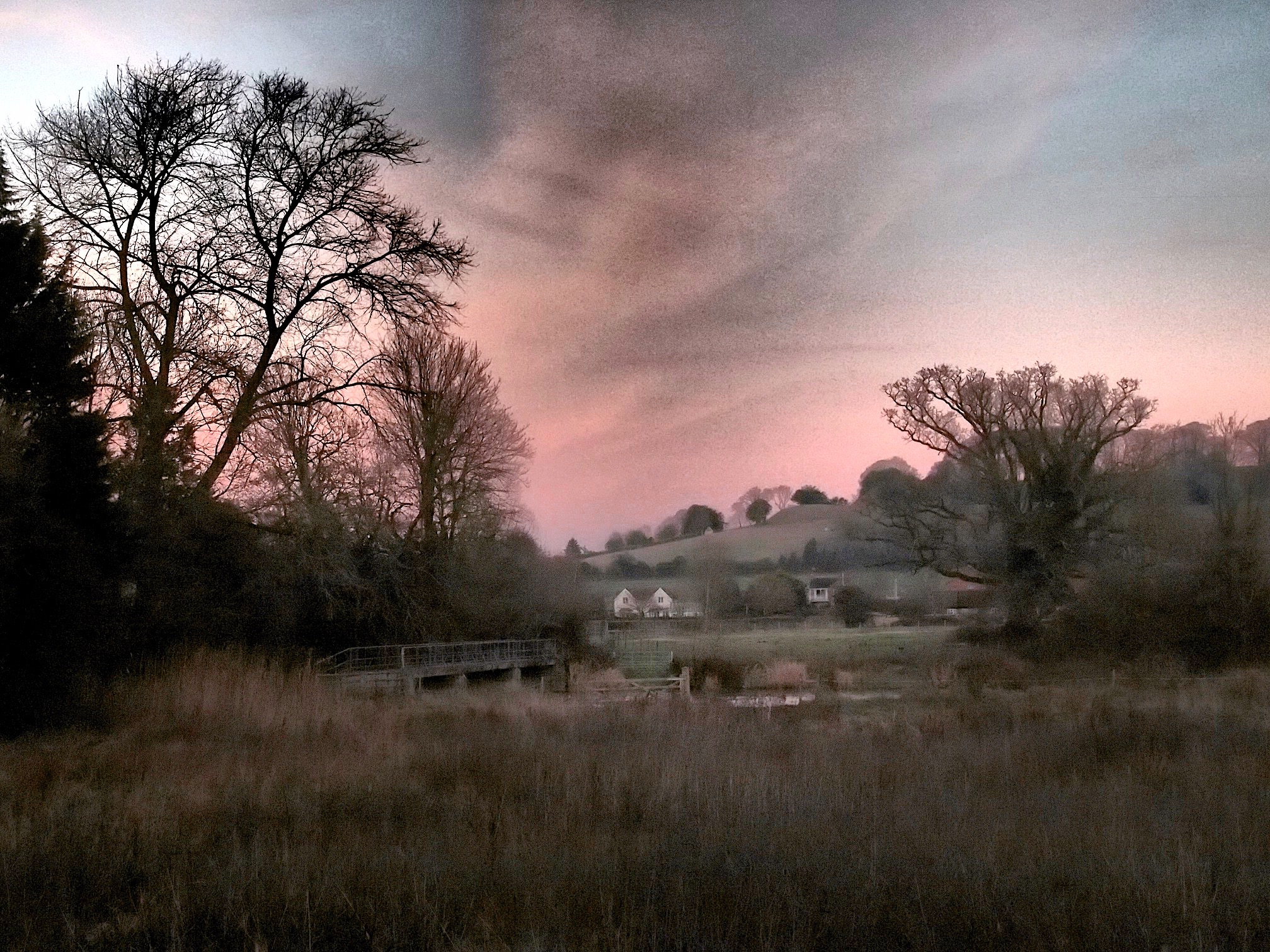
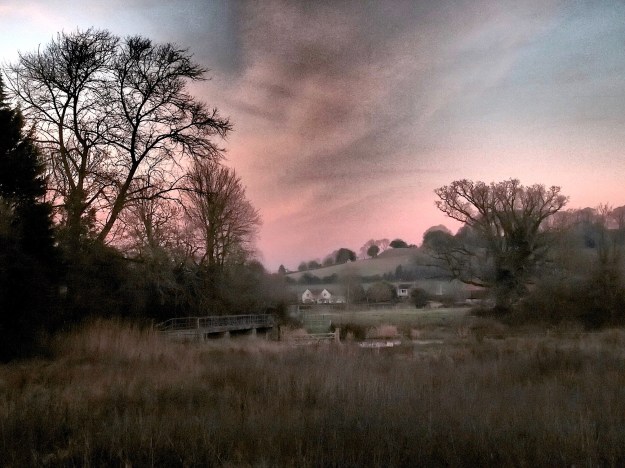
It feels a million miles away from the pressures of London strolling through the fields of Salisbury, Wiltshire. Caught in the pause, I take this photograph and reflect that novelist William Golding is rumoured to have enjoyed this very walk.
OLYMPUS DIGITAL CAMERA

In 1935 Golding started teaching English and philosophy at Bishop Wordsworth’s School in Salisbury. His experience of teaching unruly young boys would later serve as inspiration for his novel Lord of the Flies. The novel told the gripping story of a group of adolescent boys stranded on a deserted island after a plane wreck. Lord of the Flies explored the savage side of human nature as the boys, let loose from the constraints of society, brutally turned against one another in the face of an imagined enemy. Riddled with symbolism, the book set the tone for Golding’s future work, in which he continued to examine man’s internal struggle between good and evil. Since its publication, the novel has been widely regarded as a classic. Golding was brought up in a politically radical family. His father, (Alec Golding) was a science master at nearby Marlborough Grammar School, a socialist who advocated science-inspired rationalism His mother, Mildred was a campaigner for female suffrage.
Strange Dance

Start Point, Devon. UK

Start Point is a promontory in the South Hams district in Devon, England. Close to the most southerly point in the county, it marks the southern limit of Start Bay, which extends northwards to the estuary of the River Dart.


Paul Day sculptures at St. Pancras Station, London