Tag Archives: independent music

Today I Stumbled Upon: Lowpines

a0331914498_16Opting not to search for meaning through the choreographic medium of aggressive guitar and drum or indeed the synthetic doldrums of pop music can be a hazardous route to follow given the abundance of wannabe singer/songwriters desperate to discover the elusive steps to the stage at Wembley Arena. As with any musical explorer if you are prepared to look hard enough then the real stuff will always float to the top, which brings me onto Lowpines.

Lowpines build songs on fragile foundations where tilting structures are exposed to the elements of a desolated environment, which allows the lyrical intimacy of each song to resonate. Scrambling through the Bandcamp jungle one evening in 2015 this musical explorer stumbled across Lowpines self-titled  full-length album. The album’s opening track ‘October’ is a self-assured opener that would not go a miss on a Lambchop, Nixon era album. The quality of songcraft is carried throughout the album and has become a regular headphone destination when seeking to escape the stress of everyday life.

A new EP emerged this February entitled, ‘That Bridge Washed Away in the Storm’ and with the prospect of new material this year suggests the trajectory created by Oli Deakin, the creative force behind Lowpines will be maintained. I recently caught up with Oli for a chat about his influences, back catalogue, and tracks from ‘That Bridge Washed Away in the Storm.’

Who are your musical influences and why? I think my musical influences are always changing. I’m forever finding new things to listen to, and hearing new things in records I’ve listened to for years. It’s rarely a particular artist or song that’s inspiring, so many bits of things I hear in different songs. I start wanting to listen to how the different pieces stuck together and make new songs out them. I’ve been obsessing over drum sounds recently, how they can completely change the tone of the whole song just with the kind of reverb or distortion or whatever. The sound of recordings has always been something I’ve been fascinated by, and certain patterns in the records jump out to me. Eels, Sparklehorse, Bonnie Prince Billy, Elliott Smith, Shins, Smog. Records that sound like they’re recorded close-up, so you hear the details, the mistakes, and breaths, the things that make it real.

What music was playing around the home when you were growing up? Classical music, all the time. I couldn’t say what exactly, but that’s what my parents played and taught. So it was a constant feed of music heard from the next room, that I never got to know by name. I never actually engaged with it, not in the way I’d get hooked on the Beatles or Nirvana or pretty much anything with guitars and drums when I eventually discovered it. I tried learning instruments and learning to play classical pieces, but I found it way too stressful having to play what was written on a page note for note. I wanted to make up my own tunes and make records. So I borrowed a guitar and got a tape 4-track and set about trying to figure out how to play, sing, write songs, make a record. Still figuring that out…

What is your view on the current state of the music industry? It’s interesting, seems to be changing all the time. I think for a lot of smaller indie labels and DIY artists, those who never planned on selling a lot of records anyway, it’s never been easier to keep being creative and reach new people with your music. Huge profits were never part of the plan so they don’t miss them in the way big record labels must do. Sure, it’s hard to make any money, but we just have to try and be inventive with how we do that, I don’t see any sense looking backwards. There was a time when sheet music was big business, songwriters at the time must have thought recordings were the death-knell of their trade when they first started being manufactured on a mass scale.

How old were you when you first performed live, where and what song did you perform/sing? The first time I got up on stage with a band, I was about 14. Along with my school friends had formed a band and played our debut show during lunch break in the school coffee bar, to about 40 other students. I sang Basket Case by Green Day. Almost certainly ruined it for a lot of my peers but I that didn’t cross my mind at the time.

Tell me about a song (by another artist) that has remained with you throughout the years – why does it matter? One song I consistently come back to is Dylan’s ‘Farewell Angelina’. I never tire of it. It goes on and on, verse after verse, getting stronger all the while. I think one of the things I like most about Bob is he sets a mood for a song and then just seems to have fun with the lyrics. I don’t think you can ever take him too seriously, which makes records a good companion. It’s up to the listener to do the work and figure out what they hell it may or may not be about.

What other career choices did you consider and what made you chose to be a musician? About 8 years old I thought I’d be a writer so I sat down to write my first book. Half a page later I was exhausted, my hand hurt from writing, and I was all out of ideas. So I scrapped that idea and decided to focus on songwriting. Fewer words needed. I don’t think I ever made a decision to be a musician but just knew that’s what I was doing and had no interest in doing anything else. I guess I just assumed it was a given that it’d be a viable way to spend my life. Fingers crossed.

Tell me about the creative steps between writing material and then performing it for the first time. It varies greatly… Some songs arrive fully formed like they just fell out of the guitar or something. So those ones I tend to take out and introduce to some people, see how they get along. But more often than not I spend some time creating a lot of the song within the recording, layering up and adding parts as I go. So once its done I have to start over figuring out how I’m going to play it live, with or without a band. I don’t see the shows as a reproduction of the record, more a response to wherever I’m playing and who I’m playing with.

I love the track ‘Loose Canon’ from the 2015 album. Tell me about the song. Thanks. That was one that fell out of the guitar… I was a bit suspicious of it for a while, I couldn’t see much of myself in it. I was reading a lot at the time, mainly short stories and some of the people and places I was reading about were actually lodged in my mind. I think the song belongs to them. But after trying out live a few times, it seemed to settle in, and now we get along just fine. In a way, it’s about exactly that, finding something of yourself somewhere you didn’t expect it, and not being totally sure how you feel about it.

The ‘October’ track from the same album makes me very melancholy and yet strangely uplifting. Tell me about it. October was written in January the previous year. I guess it’s about having a marker point in the year where you take stock of things, looking forward and backward and deciding if you’re on a right trajectory. October is that month for me, summer is over, and we’re often back out on the road playing shows. The leaves are turning, the end of the year is in sight, so it’s a good moment to consider if you’ve done the things you set out to do while there’s still time to do something about it. I wanted the song to have a good balance of reflection, regret and resolve, and also humour. I think any kind of self-reflection needs fun, or you just get too bummed out to do anything.

That Bridge Washed away in the storm (2016 release) in many ways (to me) seems increasingly reflective – what were the influences driving this new material especially on tracks like ‘No Hercules.’ This song on this record started out as entirely fictional, based on stories borrowed from books and films. I wrote all the songs over a week, from notes and little scraps of recordings I’d done through the previous year. I soon started to recognise a lot of things that actually applied to me, reflecting my own experiences. So I started digging into those memories and seeing how I might be able to weave it all together. By the time I’d finished it, I couldn’t remember what I’d made up and what actually happened. ‘No Hercules’ started from an idea of someone finding strength in pretending to be strong and accepting that they may have bitten off more than they can chew. I’m sure most people find themselves doing that to some degree at one time or another. I think I also wanted the song to have a definitive end point, to draw some conclusions. The minute I finished mixing it I started writing new songs, and it felt lighter like I’d drawn a line under something. I’m not sure what, but I think the next songs will form a new chapter somehow.

What does the rest of 2016 look like for Lowpines? So far, I’ve spent most of this year writing and recording, and there’ll be lots more of that. I try to move around as much as possible when I’m writing, so I’ll be travelling quite a bit. I think the songs benefit from a change of scene while they’re being written. It’s easy to get a bit short-sighted if everything is written and recorded in one place. I like to hear the songs in different lights, different climates. They can sound so different. Other than that, I have some shows dotted throughout the year. I’ll be playing in Norway in the summer for Indiefjord Festival, which I’m excited to be playing at. I grew up surrounded by mountains, so the Fjords sound like somewhere I should take my songs.

Lowpines will be supporting Benjamin Francis Leftwich on Wednesday 11th May 2016 @ The Forum, Royal Tunbridge Wells. Click here for Tickets and keep an eye open for new releases and further live dates here Lowpines

The Soul of A Man

Today I stumbled Upon: Mouth Reader

In a world of over produced mediocre music it’s a joy to stumble across Mouth Reader from Murfreesboro, Tennessee who are an antipathies to the polished music industry machine. Whilst a heavy nod of respect goes to the garage bands of the 60s and 70s Mouth Reader are a stunning lofi band, full of energy, fun and wonderfully messy. As Kyle Frary (guitarist, vocalist, art) from the band explained, “me and Ethan (the drummer) had both been playing in local bands for a few years and had actually been in a band called Rajhi Gahler together for about a year when we decide to start Mouth Reader. We’re both very motivated and just wanted to be putting out more music and art than we were able to in our current situation. We don’t really want to be the most successful band around or to be played on top 40 radio. We just want to travel, meet cool people, play as many cool shows as possible, and really just have fun. We just kinda take things as they come and do what seems right.”

As well as maintaining a healthy integrity towards the art of music making Mouth Reader also take pride in their physical releases. An art form in itself that stalled with the birth of digital downloads. The bands latest release ‘hands’ is a limited edition playable pop-up book, “We put a ton of effort into making our albums stand out. We just think of things we would think are cool and do them! Hahah. Most of the time were scrambling to get them together last minuet but I guess we kinda like it that way” Kylie explained.
When asked about what are the bands favourite tracks of the new release Kylie gives the nod to “I Woke Up” and I’m pretty sure Ethan’s is either “Waiting” or “Freak.”
What are the influence are sitting behind the the members of the band? “I listen to a ton of Ty Segall, Thee Oh Sees, Meat Bodies, Mr. Elevator and the Brain Hotel, King Gizzard, King Tuff, Jacuzzi Boys, and a bunch more. The Black Angels have definitely influenced a few songs like “The Widow” for example. Ethan has an enormous appetite for all kinds of music though, everything from metal to hip hop to country and jazz. I have a hard time keeping up with everything he’s listening to. So who would be the dream co-conspirators in the future? “Well if I had to choose, I’d probably pick Jon Dwyer. Although I’m a huge Damon Albarn fan and it would be cool to see what he’d do with one of our songs.” When a band wears its influence on their sleeve they need to be good and I can testify that Mouth Reader are very good indeed.
Kyle Frary boarding

Kyle Frary boarding

Today I Stumbled Upon: Sharp Medicine – Forty Five Revolutions Per-Minute

One of my favourite finds on Bandcamp this week. FORTY FIVE REVOLUTIONS PER-MINUTE is the debut release from The Sharp Medicine, a Proto-Rock band from Los Angeles. These songs were self-recorded at the band’s rehearsal space in downtown Los Angeles, and in the band member’s homes. Not a dollar was spent on recording equipment, studio space, or a producer.

This limited edition record comes in a silkscreen jacket, with a riso insert, kraft paper sleeves, and metallic silver type on uncoated black labels. Release edition of 300. All round perfection.

When The Wheels Stopped Turning

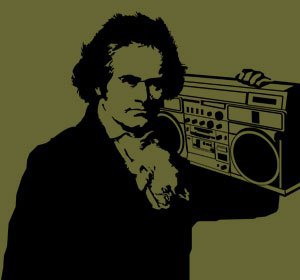
Beethoven was deaf

Beethoven was deaf

The normal format for the TV programme Britain’s Got Talent starts with the judges scouring the land to discover those they consider may have the magical talent. The initial auditions are like a medieval crusade with a host of cringe worthy performances by eccentrics paraded in front of the TV camera, screened directly into our living rooms and considered ‘light family entertainment.’ It is a short cut to celebrity stardom for a handful of budding artists, which plucked Susan Boyle from obscurity in 2009. Boyle finished 2nd place in the competition to the dance troupe Diversity. The day after the final she was admitted to The Priory, a private psychiatric clinic in London.   Her stay in hospital attracted widespread attention. The Press Complaints Commission following press reports about Boyle’s erratic behaviour and speculation concerning her mental condition,  wrote to remind editors about clause 3 (privacy) of their code of press conduct.  Her family reported “she’s been battered non-stop for the last seven weeks and it has taken its toll, but her dream is very much alive,”  Boyle left the clinic 3 days after her admission. Bullied at school and cruelly nicknamed ‘Susie Simple’ by fellow classmates Boyle spent most of her young life believing she had a learning disability, although she was  later diagnosed with Asperger syndrome. Boyle continues to be subjected to ridicule by professional comics and one liner joke merchants who trade on her physical appearance and disability as a crutch for their own creative limitations. There is in existence whole pages on the internet dedicated to cruel observations of Boyle, yet it is hard to imagine Andrea Bocelli the blind Italian opera singer being subject to the same level of ridicule.  What is evident with Boyle is that she is faced with a multi layered onslaught of discriminatory attitudes cutting across disability, gender and class. If becoming a successful musician was not difficult enough, becoming a successful musician whilst disabled is simply remarkable regardless of the genre of music and demands respect.

It is an aspiration many disabled artists are increasingly unlikely to achieve given the obsession with image and safe marketing that often results in disabled people being portrayed as secondary characters, weak individuals, to be made fun of, or to be pitied. Transport issues and inaccessible venues are just some of the issues facing musicians with a disability. Yet the existing and historical musical landscape is a rich, diverse and creative movement that has borne witness to disabled people as creative pioneers and leaders.

As Ludwig Beethoven (properly the worlds first punk) approached his 26th year in 1796 he was already facing deteriorating hearing and by the time he composed his 9th and final symphony he was totally deaf.  Richard Dale Miller was born November 28, 1942 in Dallas County, Little Richard Miller Born Without Arms or Legs.Texas. An evangelist, travelling across US preaching his interpretation of the Gospel through song and testimony. Richard Miller’s full stage name is Little Richard Miller Born Without Arms or Legs. He is an organist and guitarists who has recorded several albums mainly in the country style.

Robert Wyatt was the drummer and vocalist in the band Soft Machine, part of the so called ‘Canterbury Scene.’  A loosely based network of progressive rock, avant-garde, jazz musicians based around the city of Canterbury, Kent, UK. Since an accident in 1973, when he fell drunkenly from a fourth-floor window at a party, he has been paraplegic and confined to using a wheelchair for general mobility. In the 1970s the producer of BBC 1 ‘Top of the Pops‘ programme wanted Wyatt to perform from a normal chair on the grounds that his use of a wheelchair ‘was not considered suitable for family viewing.’ After strong arguments and support from his fellow band members, which included Nick Mason (Pink Floyd) and a young Andy Summers (The Police) Wyatt won the day. In September 1974 Wyatt performed his cover version of ‘I’m a believer’ on national TV in his wheel chair, whilst the audience danced along. Wyatt also recorded, what many still consider to be one of the finest anti war songs ever recorded, ‘Shipbuilding’ a song written by Elvis Costello.

If like me you have fumbled about with a guitar trying to learn 3 chords and then desperately sought to put these twisted sounds together in order, so they rendered the simplest of recognisable tunes. Then you can hardly start to imagine what it takes to do the same without the sense of sight.  During the 1960s Bob Dylan chose the pseudonym Blind Boy Grunt for an early recording session. His choice of pseudonym was a nod to the delta blues singers, who were such an influential to him. Arthur Blind Blake (1893-1933), Blind Willie Johnson (1897–1945), Blind Boy Fuller (1907–1941), Blind Willie McTell (1898–1959), Blind Lemon Jefferson (1893–1929) to name a few.

Following in the footsteps of these incredible musicians Ray Charles (1930-2004) was a true musical pioneer and genius.  During the 1950s he started to fuse together rhythm and blues and gospel music.  This style emerged into the blueprint we now understand as popular soul music. Stevie Wonder was to take this blueprint and push it to another level during the 1970s via classic albums like Talking Book, Innervisions and Songs in the Key of Life. At the same time an unpretentious, middle-of-the-road cabaret act scored a massive hit that would elevate them to international stardom. Lennie Peters (1933-1992) was one half of the duo Peters and Lee. Peters was an uncle of Rolling Stones’ drummer Charlie Watts. He had  lost the sight of one eye at 3 years old. He lost the sight in his remaining eye when 16 and immersed himself in music by teaching  himself to play the piano. Peters & Lee enjoyed their number-one hit ‘Welcome Home’ in July 1973 and went on to become platinum album artists with two and a half million sales enjoying 4 British top 20 hits and 4 top 10 albums.

At the age of 7 the genius singer, song writer and actor Ian Dury (1942-2000) was stricken by polio. He suffered the long-term effects of the disease throughout his life, which left it hard for him to walk. In 1981 Dury released the song Spasticus Autisticus, which was written to show his disdain for that year’s International Year of Disabled Persons, which he saw as patronising and counter-productive. The song was banned by the BBC given the lyrics were uncompromising, “so place your hard-earned peanuts in my tin and thank the creator you’re not in the state I’m in, so long have I been languished on the shelf. I must give all proceedings to myself.”  

In August 1990, a lighting rig fell on soul legend Curtis Mayfield (1942-1999) during a sound check before a New York concert. His 3rd, 4th and 5th vertebrae were all broken, leaving him paralyzed from the neck down. Despite the fact that he was unable to play an instrument, Mayfield would lie on his back in order to catch enough breath to sing. Mayfield created another album before his death. In 1984, Rick Allen the drummer with Def Leppard was involved in a car accident that resulted in the loss of his left arm. To accommodate his missing arm, Allen had a specially made drum kit and continues to performed to this day. Adrian Anantawan is one of the world’s most accomplished young violinists. The young man sometimes closes his eyes as he plays, as if lost in the music. If his audience closed their eyes, too, they would never know the violinist standing before them has no right hand.  Social networks and assistive technology have allowed blind jazz keyboardist/pianist Andre Louis to perform, even though getting to gigs is a real challenge.  “None of the gigs I’d like to do are near where I live in west London. If I were to take public transport, it would be me, a laptop, a keyboard stand and a cane, trying to navigate the underground. Taxis would be around £35 so costs would get high quickly.” 

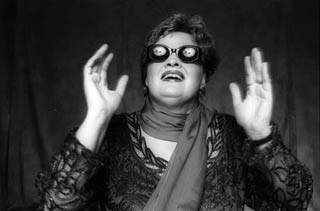
Toyah Willcox was born with a twisted spine, clawed feet, a clubbed right foot, one leg two inches shorter than the other and no hip sockets.Dianne Shuur Because of this she endured years of painful operations and physiotherapy. Her physical condition was a cause of difficult times at school. “When I was bullied at school, it was coz of my character. I was a weak child, I was incredibly small. I had a speech impediment, I was the perfect bait for bullying”. Willcox had 8 Top 40 singles, released over 20 albums, written two books, appeared in over 40 stage plays and 10 feature films, and voiced and presented numerous television shows.  Diane Schuur is an American jazz singer and pianist. Nicknamed “Deedles”, she has won two Grammy Awards, headlined many of the world’s most prestigious music venues, including Carnegie Hall and has toured the world performing with the likes of Quincy Jones, Stan Getz, B. B. King, Dizzy Gillespie, Maynard Ferguson, Ray Charles, Joe Williams and Stevie Wonder. Like Stevie Wonder, Schuur was blinded at birth due to retinopathy of prematurity.

It was the 3rd of November 2001 when I managed to see perform an artist who would go on to become one of my personal favourites. It was at the Barbican Hall, London and the event was billed as Beyond Nashville with Howie Gleb and others.

I was invited by a friend (Derek) and to be honest I had mixed feelings about going. My approach to music is very much slow burning. It normally takes quite a while after a particular music genre has been hip before my musical taste catches up and so it was to be with the so called Americana genre. The Others referred to on the concert billing, included an astounding array of bands and solo artists, Giant Sand, PJ Harvey, Evan Dando, Kurt Wagner, Mark Linkous, as well as Vic Chesnutt.

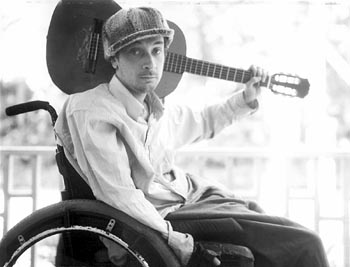
6a00d83451b93369e20120a786de68970bVic Chesnutt (1964–2009) was a truly remarkable talent. Involved in a car accident in 1983, which left him partially paralyzed; he used a wheelchair and had limited use of his hands. During his career he released a total of 17 albums (2 produced by Michael Stipe of REM fame). Chesnutt performed 5 or 6 songs that evening with Kurt Wagner (Lampchop), which were haunting, funny and poignant including, Is A Women, Girls Say and My Blue Wave. An unassuming man on stage, sitting in his wheelchair, strumming his guitar with a delicate voice that brought a concentrated silence from across the whole audience. Chesnutt described his relationship with his native America as “centred around the love/hate axis with a bit of Stockholm syndrome thrown in.” It was the many contradictions of the worlds richest country, which  provided him with the source for such of his material, alienation, isolation, human failings of the body and heart, hope, war and everyday observations.

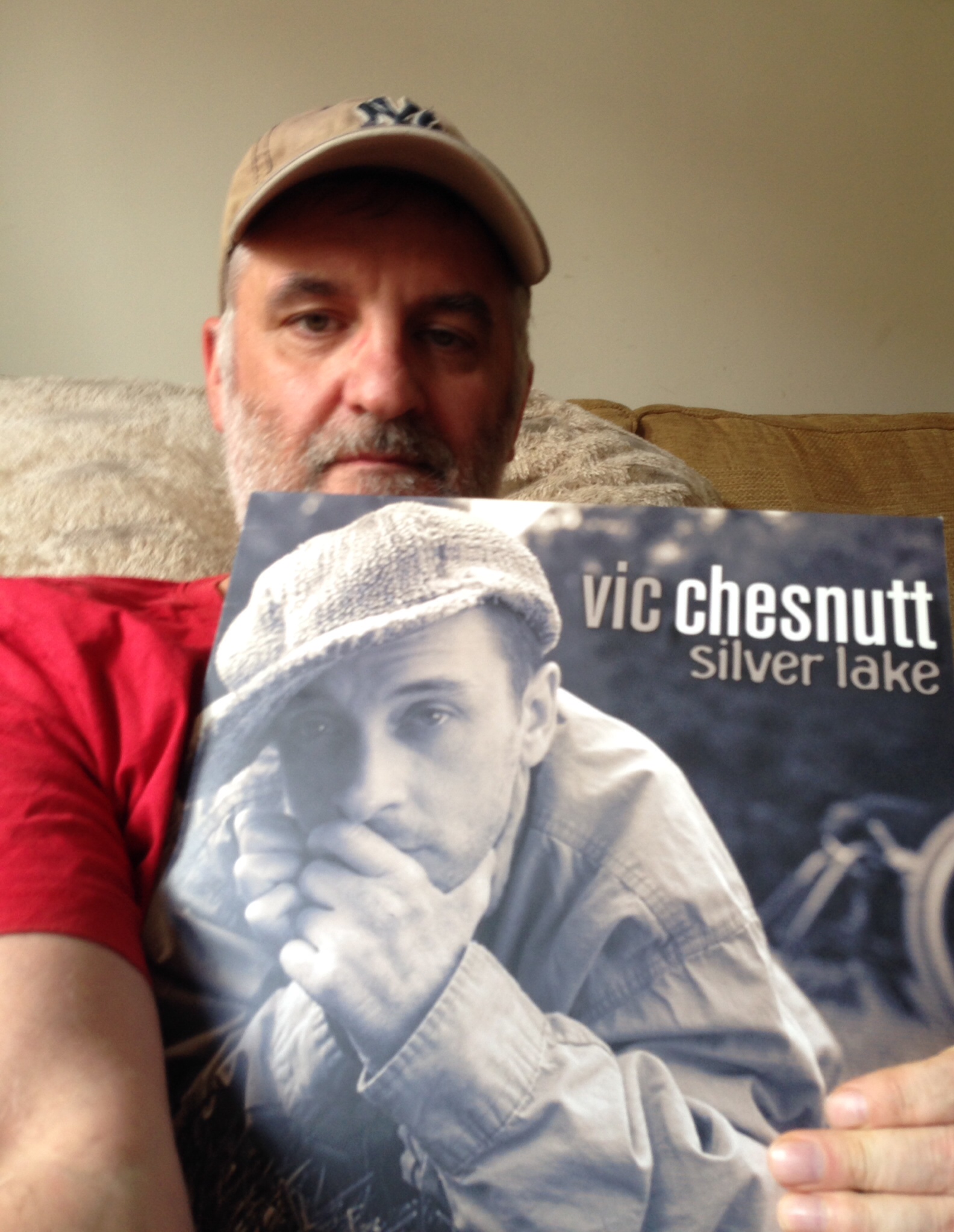
JK - Silver LakeSilver Lake was Chesnutt’s 11th Album and while it sounds like a Vic Chesnutt album through and through, it is a better than average introduction to his work, filled with quirks. The album kicks of with the emotionally shattering ‘I’m through’ one my favourite Chesnutt tracks. The corner stone of any Chesnutt album are the stories that underpin each song.  The songs on Silver Lake are honest and pull on every emotional chord possible no matter how surreal the narrative. Throughout Silver Lake you will hear heart-tugging beauty. On December 25, 2009, at the age of 45, Chesnutt died from an overdose of muscle relaxants that had left him in a coma. Chesnutt had attempted suicide 3 or 4 times before.  According to Chesnutt, being “uninsurable” due to his quadriplegia left him $50,000 in debt from his medical bills, and had been putting off surgery for a year. A tragic, unnecessary and sad end to a remarkable genius and one of the reasons which  you need to give Silver Lake an honored space in your record collection.

Today I Stumbled Upon: Ghost to Falco

Ghost to Falco_behind_tumbleweedI find myself walking alongside the River Thames. It’s a walk I take most Thursday evenings whilst making my way to Waterloo Station for the long train journey home. It is a pleasant evening as I occasionally glance over to the House of Commons,  Big Ben, wearing my headphones and navigating the tourists, whilst flipping through the Bandcamp app on my iPhone. I’ve just pressed play. The Soft Shield album by Ghost to Falco kicks in with openner Enemies Calling and I instinctively stop, take a public seat and listen to the whole album whilst viewing the river and the features on the opposite riverbank. Finally finding my way home I purchased the album and email the brain child behind Ghost to Falco, Eric Crespo who lives in  Portland, Oregon, USA.  This blog mainly consists of email exchanges between Eric and myself, as well as the virtual digging I have managed to undertake. Portland of course has one of the most vibrant music scenes in the USA. My earliest recollection of a band from Portland was The Kingsmen, who had the hit Louie, Louie in the early 1960s. It’s a little know fact that In February 1964, an outraged parent wrote to Robert Kennedy, then the Attorney General of the United States, alleging that the lyrics of Louie Louie were obscene. The FBI investigated the complaint and, after four months of investigation, concluded that the recording could not be interpreted because it was “unintelligible at any speed”.

Eric Crespo was born in Los Angeles, California where he lived until eight years. at this ripe age his parents moved the family to Burlington a small town in North Carolina. Burlington is situated 40 minute drive from Chapel Hill, which would prove to be a critical influence to Eric given its underground rock music scene. Eric recalls Chapel Hill has a college town.  “In the time (mid 90’s) there was a quite a scene there.  The most noteworthy bands from Chapel Hill that were active when I started going to shows were Superchunk, Polvo, and Archers of Loaf.  Polvo was my favorite out of those three but I’d go see all of them, and they’d usually have some other interesting bands on the bill with them.  And all the touring bands would come through.  While I was a teenager I 10264709_10152161629904302_3003215836447863725_nsaw bands like Dirty Three, Mogwai, Guv’ner, Modest Mouse, Shudder to Think, Fugazi, June of 44, Pavement, Storm and Stress, Sebadoh, Blonde Redhead, US Maple, Elliot Smith, Unwound, and many more all playing at various small clubs–sometimes to about 10 people.  I saw Sonic Youth play secret shows in Chapel Hill on two different occasions at a smallish club (probably 650 capacity?) called The Cat’s Cradle.  I even saw Radiohead once at the Cat’s Cradle right after the Bends came out.  I wasn’t really a fan (and I’m still not) but I’d just go to shows..”  Eric then moved to Asheville, NC to go to college.  In his sophomore year he found himself living with friends and rightfully having fun. “I knew I had to leave though.  I felt like I was just waiting for something important to begin. I played in two bands that toured around the region a bit.  We’d go play in Atlanta or DC, but my bandmates in those bands weren’t really up for touring like I was.  Touring was all I really wanted to do at the time, so I was trying to come up with ways to play out alone just so I could tour as much as I wanted.  I may have never started Ghost to Falco if the people in my bands really wanted to tour like I did.”

10371438_10152270693314302_1731744634009158020_nSo how did the solo work start to evolve? “When I first started thinking of playing out solo my first idea was to go the acoustic guitar/singer-songwriter route.  I had a nylon string classical acoustic guitar, but I felt like I needed a steel string acoustic for some reason, and oddly enough I actually ended up finding one on the street one day.  In the middle of a crosswalk in downtown Asheville.  It seemed like it had fallen out of a car or something.  So I started trying to write songs on that but it wasn’t happening.  I had no frame of reference really for being a singer-songwriter.  I had no interest or knowledge of folk singers or anything like that.  I kind of put the acoustic away after a few months (or weeks—I can’t remember).  A little later I started messing around on my electric guitar with a looping pedal and I put my newly acquired monophonic 70’s analog synthesizer into the mix and I started making up these loose song structures that sounded pretty full even though I was the only one making the sounds, and that excited me. I thought maybe I could play shows like that but wasn’t sure. Around this time I was also getting interested in a lot more stuff that was outside of what I had grown up listening to.  Minimalist composers (Steve Reich, etc.), late 70’s industrial music, Glenn Branca, and “freer” bands of the era. Another thing about starting Ghost to Falco is that I had played in bands since I was fourteen years old.  I didn’t know how not to be in a band.  It was, and still is the way I find friends, my motivation to travel, my motivation to do anything really.  So, starting a band that could never break up unless I wanted it to was pretty appealing.  I left North Carolina in October of 2001.  My bands played our final shows, I got my wisdom teeth taken out, and then hit the road to Portland.” 

The Ghost Falco moniker began in 2001 as a solo project consisting of electric guitar loops, synthesiser sounds and field recordings. The band has gone on to became something of an underground institution with a rotating door of musicians have joined for tours and recordings bringing with them a whole range of instruments. “The first Ghost to Falco show I ever played was in Athens, GA (a place I have never lived) on the way to Portland, followed by shows in Shreveport, Louisiana, Lubbock, Texas, and a kid’s garage in a suburb of Los Angeles.  These shows were painstakingly booked by sending out a cassette of a song I sneakily recorded in the studio of my college on an exam day of my last semester.  I didn’t really know how I would feel about doing Ghost to Falco live, but it turned out that I generally felt pretty good about it so I decided to keep doing it.  I always thought I might add some band members to the mix at some point down the line and I did that in 2005 and live shows have gone back and forth between being me solo and having bandmates.  Nowadays I prefer to have bandmates in the band.”

So what are the challenges facing an artist like yourself? “Probably the biggest challenge in getting my music out there is the music I’m making!  It’s sort of always existed between worlds.  I designed it like that initially.  I liked avant-garde music and I liked good songs with singing.  I sort of wanted to do something to unite these two worlds, and in doing so I didn’t really create a new scene, but I just sort of made Ghost to Falco this free floating entity.  When you’re doing something different and it doesn’t adhere to the tenets of an established scene, or have enough people involved to create a new scene you just end up existing as a free floating anomaly.  People might agree that it’s good but people want to align themselves with things that make them a member of a tribe or a community.  People want connection.  Most of the time it takes some kind of noted tastemaker (preferably with lots of money) to step up and champion it before even a decent amount of people will take notice.  We’ve had a few minor taste makers sing our praises over the years, and that’s why today we can boast that we have 980 Facebook likes”  
Then there’s the whole music establishment?  “Let me just go off on this for a minute, because I’ve been meaning to write this down for a little while.  Within the realm of the kind of music we’re making, this is my perception of how things generally work (of course there are  exceptions):  It’s a 1978818_10152266495739302_3771852591971329847_n big whirlpool where everybody is paying each other.  The noteworthy record labels, (not even talking major labels unless you count Merge, Sub Pop, and Matador as majors, which I guess are majors at this point) are probably like the sun that all the other planets of the industry revolve around.  So these labels pay the PR firms.  The labels buy advertising on Pitchfork and other popular blogs and music magazines.  These popular blogs and music magazines are obligated to write about bands that are being pitched by PR firms who are hired by the record labels, who buy advertising on these blogs and in these music magazines, which pays the salaries of the people who run the blog or music magazine. When these bands get written about by the popular blogs and magazines then the booking agencies start calling and then these bands get a booking agent.  The booking agent book the bands on high profile tours and festivals and the bands get popular.  This system doesn’t work if the popular blogs and such write about anything that any nobody band sends them.  Then no one gets paid.   And the booking agents aren’t going to want to book a band with no hype behind them.  You can’t blame people really.   There’s only room for so many bands and writers and promotional agents and such in this world.  And there’s even less room for people who are making risky music.  To make a food analogy: Even a big city can only support a certain amount of high end vegan restaurants, while the pizza places on every other corner are turning a fine profit.  People like pizza and it’s fast and it’s cheap and it fills you up.   There’s nothing wrong with pizza.  I like pizza.   The music I tend to make requires a little more patience and a little more time, maybe it’s a little harder to find the entrance to the place, but I hope that in the end it’s going to be more nutritious.”  
 Back to the whirlpool, “there are bands that get thrown into it and don’t connect with people that happens all the time, and then they just fade away.  And some are on the edges of the whirlpool and some are right in the middle of it.  Ghost to Falco has never been in this whirlpool at all and never really had the chance to connect with a lot of people in this way. No one at a popular label (or management company who gets you on the popular label) has had enough of an interest to take Ghost to Falco on.  I wonder how we would do if we were to get thrown into that whirlpool.   We might do fine, but who knows?   It’d be nice to be able to connect with a lot more people, but it’s sort of cool running the band how we do.  We only tour when we want to and we can play whatever kind of venue and play with whatever bands we want to play with.  No one is shaping our career.  It is a freedom I appreciate.  We don’t really make money, but it’s never a situation of the label is making us tour, this sucks, kind of thing.  I’ve had friends in those situations and it seems terrible.”  

Soft Shield is Ghost to Falco’s fourth full length album. The albums initial sessions began at the Portland-based Type Foundry Studio (known for producing recorded output by the likes of  Dirty Projectors and R.E.M. among many others) in June of 2009. A few days after the first sessions Eric left town for six months of touring and traveling. When he came back with his limited funds, Eric realised that going into debt on an album at a top-of-the-line recording studio maybe wasn’t the smartest thing to do. But it was too late.  He earned money from odd jobs and spent it on studio time, and/or relied on generous favours from recording engineers. It took three-and-a-half years to finish Soft Shield. Eight different studios were used in all. The album is properly the most cohesive of any record in Ghost to Falco’s discography.

Soft Shield still casts a wide net that marks most of Ghost to Falco’s output, one could find evidence of just about every rock- affiliated musical movement of the past fifty years, but Soft Shield corrals those disparate elements into a vision that feels firmly planted in the American-West. Trippy desert guitar lines and arid pedal steel are intertwined with a lush and intimate, Northwest-specific, Twin Peaks style of mystery— a duality that points to both Eric’s love of the American desert canyon country and his longtime Portland address.  As Eric says, “There’s contentment, anger, humor, regret, fear—and hell, some of it you can even dance to” and I could not put it better myself.

During my virtual journey of discovering Eric and the Ghost to Falco’s back catalogue I came across another of Eric’s projects Centers, which was formed by Jay Demko and Eric Crespo in mid 2010.  Whilst I absolutely adore the Ghost to Falco catalogue and have no hesitation in recommending them the Centers album is also a piece of magnificent beauty and worthy of any serious music collection. 

Eric Crespo is a musical chameleon who weaves genres together and pushes creative boundaries, avant-garde sound structures, alt-country, world fusion with carefully crafted lyrics all blended together. He is the is type of artists we should increasingly celebrate given the quality of his work and the creative space he occupies often results in very few finding full commercial success. His craftsmanship finds itself at odds with the conveyer-belt of mass consumed music that is often found seeping through many a MP3 player.  Neil Young is credited with saying, “When people start asking you to do the same thing over and over again, that’s when you know you’re way too close to something that you don’t want to be near.”  It’s an interesting observation from an artists who is respected and who has influenced many. Neil Young of course had the means to take a left-field turn from middle of the road comfort before he cranked up his amplifier. In reality the true creative forces on this highway are artists like Eric Crespo, who did not take the middle of the road in the first place.

Today I Stumbled Upon: No Action

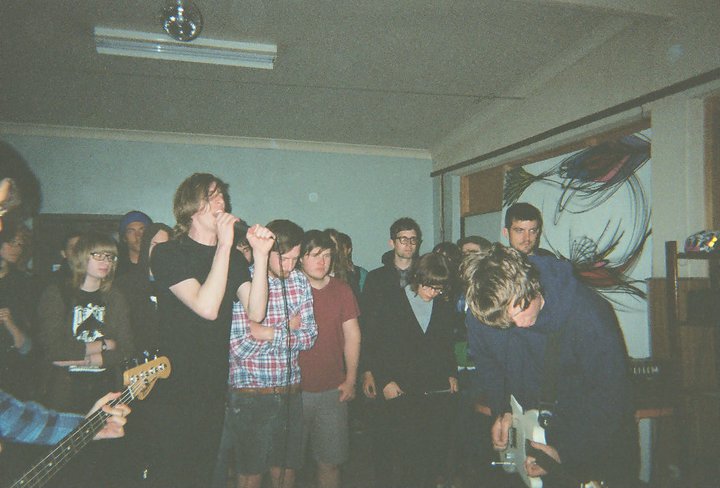
No Action in action

No Action in action

A sense of deja vu awaits as I leave the  summer drizzle descending from the clouds hovering over Glasgow and the a 24 hour flight to reach Adelaide, Australia. Yet here I am in the capital city of South Australia, the country’s fifth-largest city with a resident population of 1.29 million and the next stop on my virtual Old Man Adventure in Bandcamp. Adelaide is city with many stories emerging from its humble history. Prior to 1836 Adelaide was inhabited by the indigenous Kaurna Aboriginal nation. Today it is another ‘modern’ industrialised city dealing with its aspirations and tensions, which provide the perfect conditions for creative forces. Adelaide is also home to the joyous No Action.

Patti Smith once said, “punk rock is just another word for freedom” which I can relate too and is reflected in the reinvigorating army of small, independent, lo-fi, do it yourself bands beavering away in towns and cities across the globe. I get jaundice with people, normally men my age, who have deluded themselves with romantic memories of the 1977 punk scene as some type of musical year zero. This was not the case. The DIY garage band ethic has always been a feature in modern music with artists swimming against the tide, challenging convention and giving the middle finger to the corporations. My enduring memory from this period is not the bands who swore and spat their way into the headlines, but the small regional bands. The bands consisting of the neighbourhood shy boy who had secretly been scribbling down lyrics and the kid who had managed to achieve a 3rd chord.  A few weeks later they were to be found playing in a local pub, youth club or garage gig. The crap posters that seemed to look cool and the limited cassette run for your small group of fans. The results were often messy, but strangely beautiful given music ultimately is about people, having fun, celebration, connection and expression. No where is this reinvigoration more evident than through the band  No Action a self titled soul punk rock group. I like the injection of soul given this creative tension sums up the band perfectly.

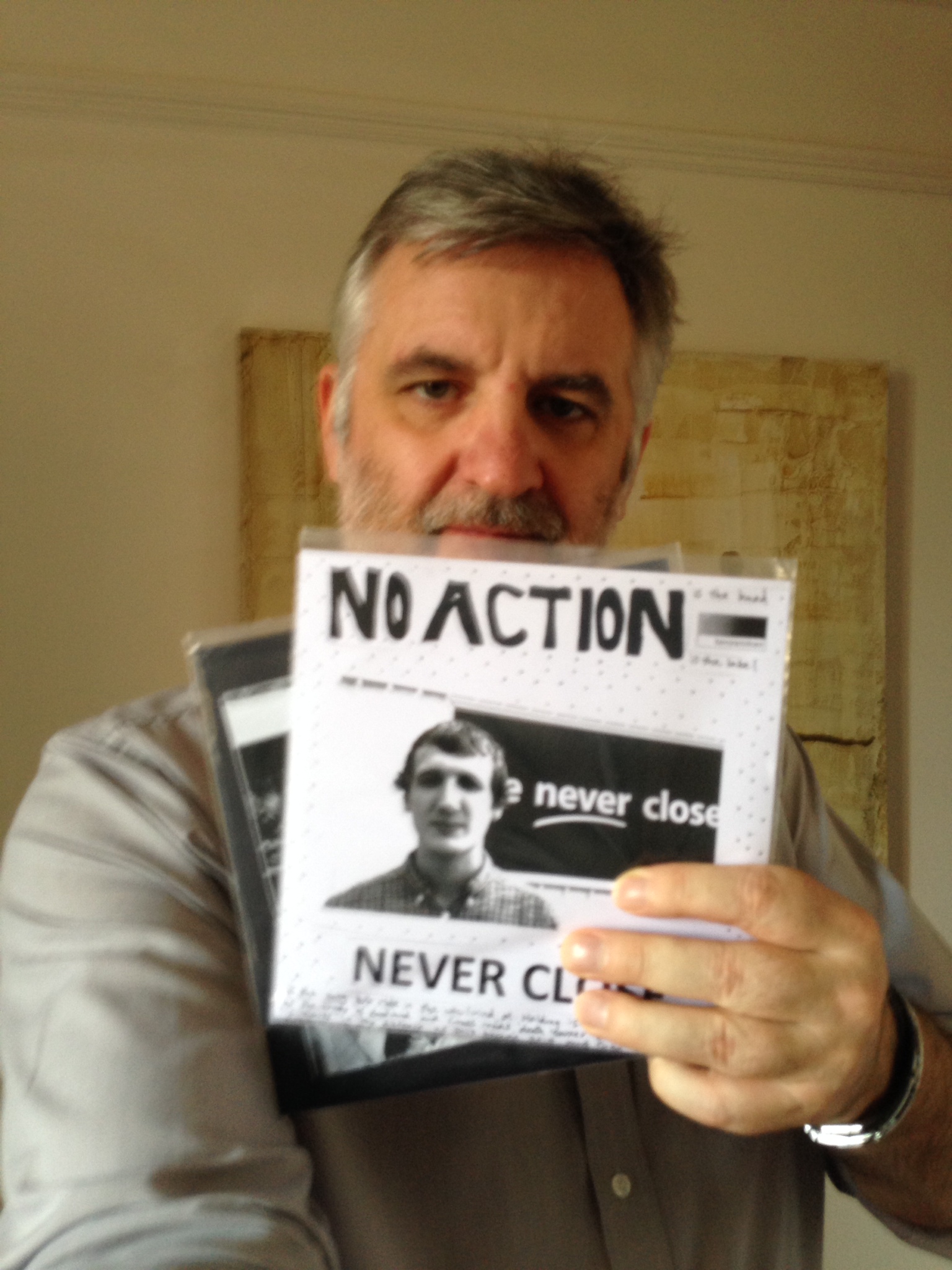
Bandcamp comes into its own when you stumble across bands like No Action, who are an absolute gem to discover. Unlike most bands of this genre you never quite know what you are going to get with No Action be it 3 minutes of punk, a reflective acoustic number or indeed a mixture of both in a single track.  In an era of mass produced and corporately manufactured music No Action are a shining beacon of integrity. There blistering and brilliant  7″ vinyl Never Close/Riding in the Whirlwind is testament to this. Riding in the Whirlwind is a melancholic and bittersweet acoustic affair, “got a record no one wants to buy and a t shirt no one seems to fit. had a date with an empty bar” chronicling the struggles of a band and relationships. “Call me ungrateful, call me broke, call me when you’ve got the credit.”  

Never Close is a different kettle of fish altogether, which opens up with pounding drums followed by a grinding bass. As Nick Godfrey (bassist with the band) explained to me,The main influence on the Never Close song would be Silkworm and maybe Archers of Loaf but it sounds more like U2, the main influence on the Ride in the Whirlwind song was Comet Gain but it sounds more like You Am I or the Lucksmiths. The important lesson here is to BE YOURSELF and let your true creative voice shine through.” Personally, my observation would be the guitar work on Never Close is more aligned to Keith Levene (Public Image Limited) a quick search for PIL’s glorious Albatross track will confirm where U2’s The Edge stole his licks from.

IMG_0174A further No Action release I managed to obtain is the spilt cassette tape release (yes you heard me right a cassette tape), which paired No Action with UK band Plaids from Nottingham. Plaids provide a punchy angular punk/emo rock approach played out in frenetic pace against No Actions more subtle and gritty lo-fi tracks. So what where the influences behind the two tracks provided by No Action on the spilt release I asked Nick,  “The tape is a funny story so I’ll start with that. The acoustic song was one we originally wrote when we found out we were going to do a split release with Roger King from Bakersfield California, home of Korn and Merle Haggard. Up until that point Roger King’s solo output had been acoustic stuff, so we wrote and recorded an acoustic song that would match that. Then he sent his track to us and he’d done a rockin’ plugged in track! So we ended up palming our acoustic song off to the Plaids split.”  

The two No Action tracks, which appear on the cassette, Nick rates the second track Solar Steps, as his personal favourite by the band to date, “It’s the most fun to play on the bass. It was the second song we wrote and we probably haven’t got any better since then. The rockin’ plugged in version of the Solar Steps song which will appear on our one-day-to-be-relased debut album is good too” And the IMG_0176obligatory Old Man question, If the band had the opportunity to collaborate with any other artist or band who would it be Nick, “John, this is a really tough question that I’ve been puzzling over all weekend. I like the Mars to Stay band and what they’re all about, so I’m going to say them.” 

No Action are a very coherent and exciting band who in many ways defy logic. Bands like this tend to take a single approach when facing  their musical crossroads. It is refreshing to hear a mix of influences as a platform rather than a band simply trying to replicate something they’ve heard elsewhere. So we end up with creative tensions.  Grinding punk, which is not simply trying to get as much noise and lyrics stuffed into the required 3 minutes as possible, alongside subtle acoustic offerings. The lo-fi recordings just add the imperfections that make these recordings stand out from the crowd. I can’t wait for the album when it does finally appear.

You can also enjoy further No Action tracks on their Soundcloud site and keep up with their journey via their Facebook page. Enjoy and respect.

https://www.facebook.com/theresnoaction?fref=ts

https://soundcloud.com/theresnoaction


Today I Stumbled Upon: Electric Friends

Like father

Like father

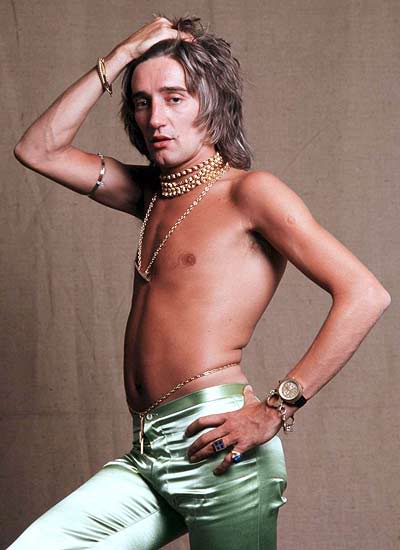
The long journey up north past my native North East over Hadrian’s Wall and to Glasgow where the wonderful Electric Company Label is beckoning me on the next stop of my old man adventures. Unknown to myself, well until I wrote this blog, I have a deep appreciation of the Scottish rock scene beyond the parody that is Rod Stewart. I will blame Rod for my ignorance given he inflicted his phoney Scottish jiggery pokery on me from a young age, caused serious trauma and inflicted Scottish blindness. At a time when any self respecting youngster was exploring The Clash, Pistols, Damned, Ramones and Buzzcocks, Rod in 1977 released his Hot Legs single from the equally bombastic album Footloose and Fancy Free. Unlike now there was no fast forward on live TV, so we duly had to sit through Rod swinging his thing before 3 minutes of punk was allotted its given time on Top of the Pops. My trauma was recently reinvigorated when I discovered Bon Jovi apparently perform Hot Legs occasionally as part of their live set, but a quick google search for Rod Stewart 1970s and then Jon Bon Jovi 1980s and it all makes perfect sense.

Like Sun

Like Sun

Anyway enough of this nonsense. A quick dig through my music collection whilst preparing this blog reveals  Jesus and Mary Chain, Primal Scream, Teenage Fan Club, The Vaselines, The Rezillos, Belle and Sebastian, but to name a few all lurking there and all originate from Scottish shores. I hold my hand up in shame and accept my ignorance, which I take responsibility to tackle.  As with any vibrant music scene an ecosystem is required, which is is independent, experimenting with the past and probing the future to produce a glorious wall of sound. This cultural ecosystems by its very nature is often known only to the locals until a buzz emerges, but the rise of the internet has created opportunities for the virtual traveler to be exposed to these gems. This is particularly rewarding when, if like me, you have a leaning towards lo-fi fussy guitar rock and sublime songwriting with twisted lyrics that often fail to penetrate the mainstream pop world. Yet it is these humble cultural ecosystems, which create the fertile ground for mighty musical oaks to grow and the catalogue of Glasgow’s Electric Company label sits there like a shiny emerald.

0001314645_100.png

Launched in April 2013, Electric Company release and distribute music by some of the most exciting and forward-thinking artists, on a wide range of formats, including vinyl, cd, cassette and digital download. Boasting a passion for DIY ethics and armed with their own studio enables the label to support artists to be heard without the pull of corporate strings. This in turn creates  a unique artistic hub where everything from recording, artwork and merchandise to live booking can be done in house and purely for the love of music. As with any small business running an independent music enterprise takes nerves, commitment and to a certain degree of passion bordering on obsession. So it is always an immense pleasure  to stumble across a label like Electric Company. On my initial dip into the label’s catalogue I purchased 3 offerings.

The New Fabian Society: Cyclothymia/Homily 7″ vinyl and digital download £5 (digital download £2)

Released on a limited run of 250 copies Cyclothymia is a pulsating 3 minutes 27 seconds of glorious guitar infused post punk delivered at Ramones break neck speed whilst Homily is reminiscent of Joy Division (before the hype) at their desolate best. The band follow up release Barbarossa which is also available on Bancamp (name your price offer) demonstrates a band growing in skill attitude and craft Provided with the right opportunities and presented with the necessary good luck all artists require this band have all the credentials to develop into something rather special.

The Dirty Lies: Release EP  cassette and digital download £5

The Release EP is a collection of 6 brilliantly twisted pop songs. Athough I feel it only right to give you a little warning before you take a listen. Beneath the pleasant beats and harmonies are some rather spine chilling lyrics, which make one feel the songwriter was abandoned on the steps of a church at birth and left to be reared by a couple of zealots. The sublime opening lyrics to Shallow Grave, “I hope you fail in love, I hope you break your heart, I will be your enemy, I’ll be your shallow grave” are just about the most soberingly and brilliant opening lyrics for a track I’ve heard for quite some time. Each track on the cassette comes in at about 3 minutes, which means there is little too no fat in production and delivery.

Various: DIY or Die Volume 1 cassette and digital download £4

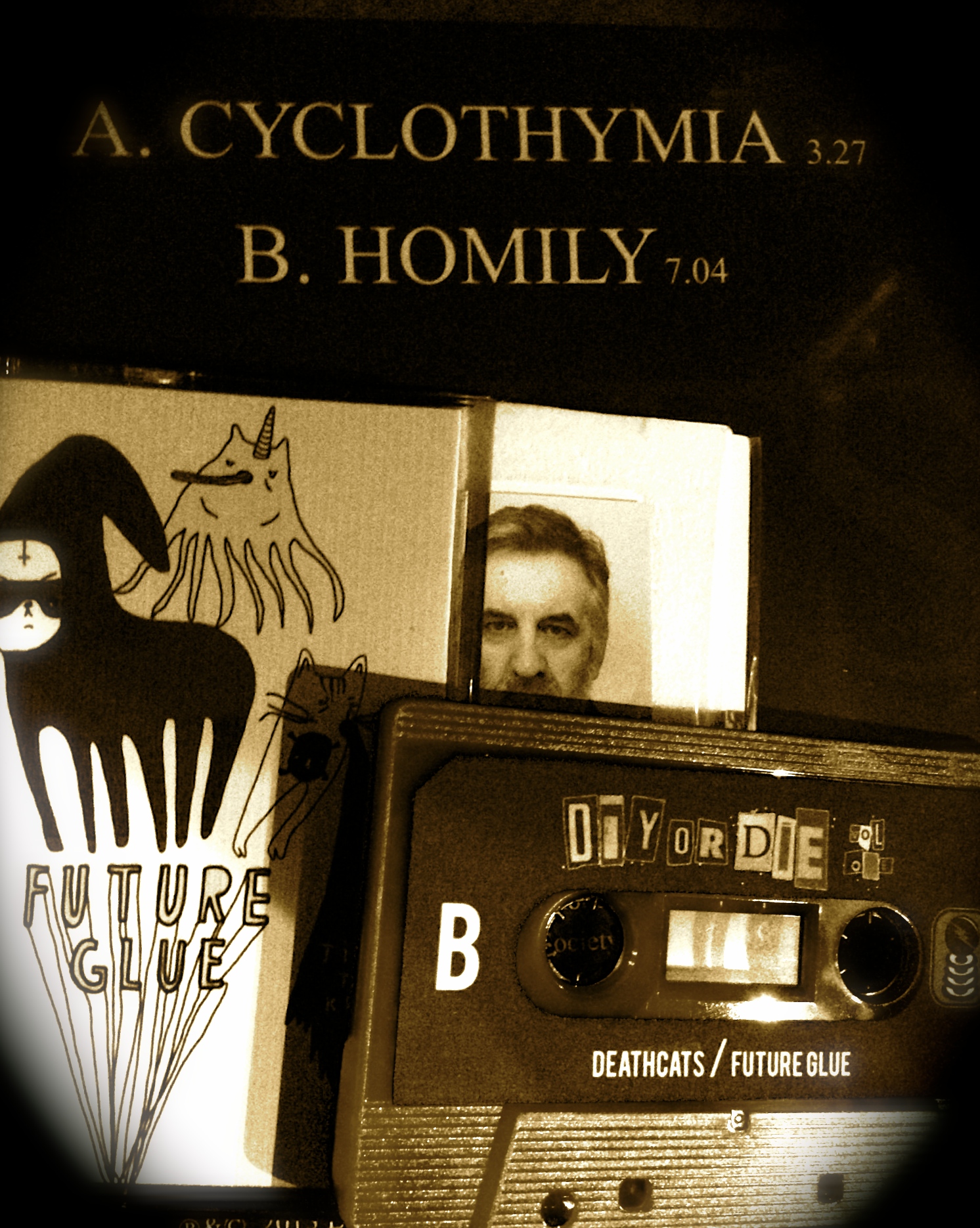
Four bands, four songs for four quid no bad going and a cassette thrown as well. The cassette opens with Twin Mirror’s New Edition a good old fashioned punk rally. Secret Motorbikes Is Dis 4 real a swaggering pop anthem. DeathcatsSaturday Night Golden Retriever a guitar riffed to the ceiling romp. Future GlueTime to Kill a burning blend of punk surf meets 1950s trash rock. All together this is a mighty fine split tape, which is ready made for rolling down the car window on a warm summers evening and terrifying the neighbourhood.

My ignorance has been well and truly laid to rest and like Bristol, Manchester, Liverpool and London, Glasgow is up there with the best and I thank Electric Company for the education.

A right royal mix

Oh bondage up yours!

This girl is no fool

This women is nobody’s fool

“Biblically chauvinistic” is how the Rolling Stone magazine described the James Brown 1966 record “It’s a Man’s Man’s Man’s World.” As a record it certainly takes some beating when promoting a stereotype. A stereotype, which has been continuously reinforced throughout the music business since its conception.

Whilst the mainstream charts may be dominated by female artists research constantly reveals that women working in the music business earn far less than their male counterparts – a staggering 47% of women in the music business earn less then £10,000 per year.

It is a business that is dominated by male executives who control its means of production, marketing and recording output. Recording artist Lily Allen recently observed, “You will also notice of the big successful female artists, there is always a ‘man behind the woman’ piece. If it’s Beyoncé, it’s Jay Z. If it’s Adele, it’s Paul Epworth. Me? It was Mark Ronson and the same with Amy Winehouse.”  These attitudes prevail throughout the music business right down to the basement end of manufactured pop. The banality of Miley Cyrus ‘tweaking’ caused a media stir, which was possibly related to Cyrus’s history as a child star for the Disney Corporation. Whilst Cyrus’s performance might be seen as silly and tedious the fact is Iggy Pop has been ‘twerking’ for 40 years, including the odd penis exposure as well as regularly humping his amplifiers on stage – yet he is considered a rock god.

There is something very disturbing about a popular culture that increasingly portrays women as disposable commodities frequently being hunted down by a serial killer or subjected to the creepy attention of a male artist who is acting like a potential candidate for inclusion on the sex offenders register. Although given the recent spate of celebrities facing sexual assault charges in the UK they may not be acting. Equally repugnant are those fellow men who shout “political correctness has gone mad” every time these issues are raised. Let’s be honest if you are the type of tool who enjoys women being portrayed in this way then it is highly unlikely you have read this far into this blog and you are properly jerking off to that misogynist Robin Thicke video.

“Ignore it” you may say after all there is an off button I can push  Well I did, but ignoring it does not make it a right. Switching off a TV does not mean switching off your brain and that is the real choice here. I am not for one minute advocating censorship far from it. In my view those who produce this material should be exposed to additional taxation. The revenues generated should be earmarked for support services for women who become victims of male violence. If a sovereign country was inflicting such harm on another country surely we would be expecting intervention, possibly economic sanctions.

Those women who have stood up, challenged and turned the tables on the status quo have faced ridicule or worse. The singer-songwriter, multi-instrumentalist, actress, author and philanthropist Dolly Parton has throughout her career been the subject of ridicule from taunts of trailer trash, cheap, dumb blonde and least we forget the breast obsession. Web sites are dedicated to crude jokes about Parton.  Realising these circumstances Dolly Parton played the card of self-parody as well as deploying her very clever business brain. This has enabled her to amass a financial fortune and make music that she wants to make.  This attitude towards women is not a modern phenomenon, which has  been cooked up by dead beat rappers with their pathetic lyrics of ‘hoes and bitches.’

holiday

Billie Holliday – used and abused

The harrowing demise of Billie Holliday in the 1950s is a prime example. Most media stories concerning Holliday’s torturous death tend to focus on sexual violence and illicit substances. What is often overlooked is that in her final years Holliday was swindled out of her earnings and died with $0.70 in the bank.  As an incredibly gifted, yet troubled artist Holliday was hounded to the very end. Whilst dying police raided her hospital room and placed her under arrest until she passed away on 17th July 1959. She was 44 years old.

The magnificent Nina Simone became the catalyst for change in the 1960s. Strong, intelligent, outspoken and a versatile musician she became a role model for musicians (female and male). Simone started playing the piano at 3 years old and by the age of 10, she was perfuming piano recital in the town library. Like Holliday, she was ripped off by the record companies. She saw very little money from her first record, the top 20 hit of “I Love You Porgy.” Simone always characterised record companies as “pirates.”   

Over the coming decades, Simone took increased control over her career and destiny as an artist, which not only provided financial rewards but enabled increased creative freedom. At the time this was unparalleled for both a female and Black artist.  The song Mississippi Goddamn, which she released in 1964 was written by Simone after the murder of Medgar Evers. Although the song contains a jolly rhythm it is a scathing anti-racist tour de force.  Towards the end of her life Simone became increasingly erratic with legendary mood swings. In 1985 she fired a gun at a record executive whom she considered was stealing her royalties claiming that she tried to kill him, “but missed.”

The 1960s produced many iconic female artists Dusty Springfield, Nico (Velvet Underground) Grace Slick (Jefferson Airplane) and Janis Joplin for example. It is a decade that increasingly witnessed the use of  ‘tabloid sensationalism’ as a weapon against women. Singer, songwriter and actress Marion Faithfull were subjected to sordid and untrue media reports in 1967 concerning her sexual relationship with Mick Jagger. Whilst the headlines and speculation did little to hinder Jagger’s career. In fact, the stories further enhanced his bad-boy reputation, but for Faithfull, her career was badly damaged. 27 years later Faithfull observed, “It destroyed me, a  woman in that situation becomes a slut.” Before Beyonce, there was Diana Ross (formerly of The Supremes).

The Supremes were a product of Barry Gordy’s Motown conveyor belt of popular hits during the 60s and 70s. Gordy was the original Simon Cowell with the gift of identifying and bringing together pop talent, along with tightly controlling and carefully managing their public image. Whilst Ross and Gordy were romantically entwined for Gordy it quickly became a case of biting off more than you could chew syndrome when it came to Diana Ross.

Whilst The Supremes were on a UK tour in the 1960s Gordy insisted The Supremes perform a version of Dean Martin’s “You’re Nobody Till Somebody Loves You.” Gordy believed that such a performance would enable The Supremes to access a slot on a mainstream UK television programme. Ross refused outright. “I could not explain anything that made sense to her,” Gordy said. “She refused to do it completely.” That’s when Gordy realised, “if she didn’t do it, I knew I could not manage them.” Ross went on to become one of the biggest selling female solo artists in music history.

Joni Mitchell produced and released her seminal Blue album in the early 70s whilst at the same time Jazz drummer Karen Carpenter was persuaded to move centre stage and sing for the brother/sister duo the Carpenters. It may have taken until 1979 for Suzi Quatro to score a hit in her country of birth (USA), but Quatro was a constant presence throughout the 70s in the UK charts. Quatro’s trademark leather jacket, jeans, bass playing leadership and pop-rock anthems presented an altogether edgier imagine that had a significant influence and impact. An influence that has sadly been underestimated given for many young people Suzi Quatro was the first female artists who were seen to be the leader of the pop-rock group on mainstream TV. By the mid-70s Kate Bush and Patti Smith emerged. Two diametrically opposed artist who commanded respect through their craft. Smith went on to release what many still consider to be one of the most quintessential and influential rock album’s of all time ‘Horses.’  

1975 also saw the release of the electro-pop ‘Love to Love You Baby’ by Donna Summer that pounded the dance floors of every credible disco. The song, which featured Summer moaning and groaning as if in the raptures of an organism would cause controversy around the world. It also presented the artist in a highly sexually charged way that would take Summer years to shake off. The song and its producers eventually left Summer feeling like she had no control over her life and went on to suffer from bouts of depression and insomnia. Summer would later become a born-again Christian and sue the producers of the record. After the legal settlement Summer decided to exclude “Love to Love You Baby” from her concert playlists and did not perform it until 25 years later.

As the 1970s were drawing to a close there was something quite different about the female artists who were emerging outside the mainstream. Whilst the recording output varied according to taste. The confidence and attitude of the female artists was not in dispute. Operating within an increasingly political environment a whole bunch of strong, independent, intelligent and often conformational female artists were playing a leading roll in the rock scene.  It was a time when Siouxsie Sioux (Siouxsie and the Banshees), Fay Fife (The Rezillos), Gaye Advert (The Adverts), Debbie Harry (Blondie), The Slits, Pauline Murray (Penetration),  Tina Weymouth,(Talking Heads), Joan Jett (The Runaways) and the glorious Poly Styrene (X-Ray Spex) to name a few took a male-dominated world and shook it by the throat. A quick search on Google for Penetration performing ‘Don’t Dictate’ live will emphasis the point as Pauline Murray tackles men in the audience head-on. It was another song from this period, which had a greater influence on me personally.

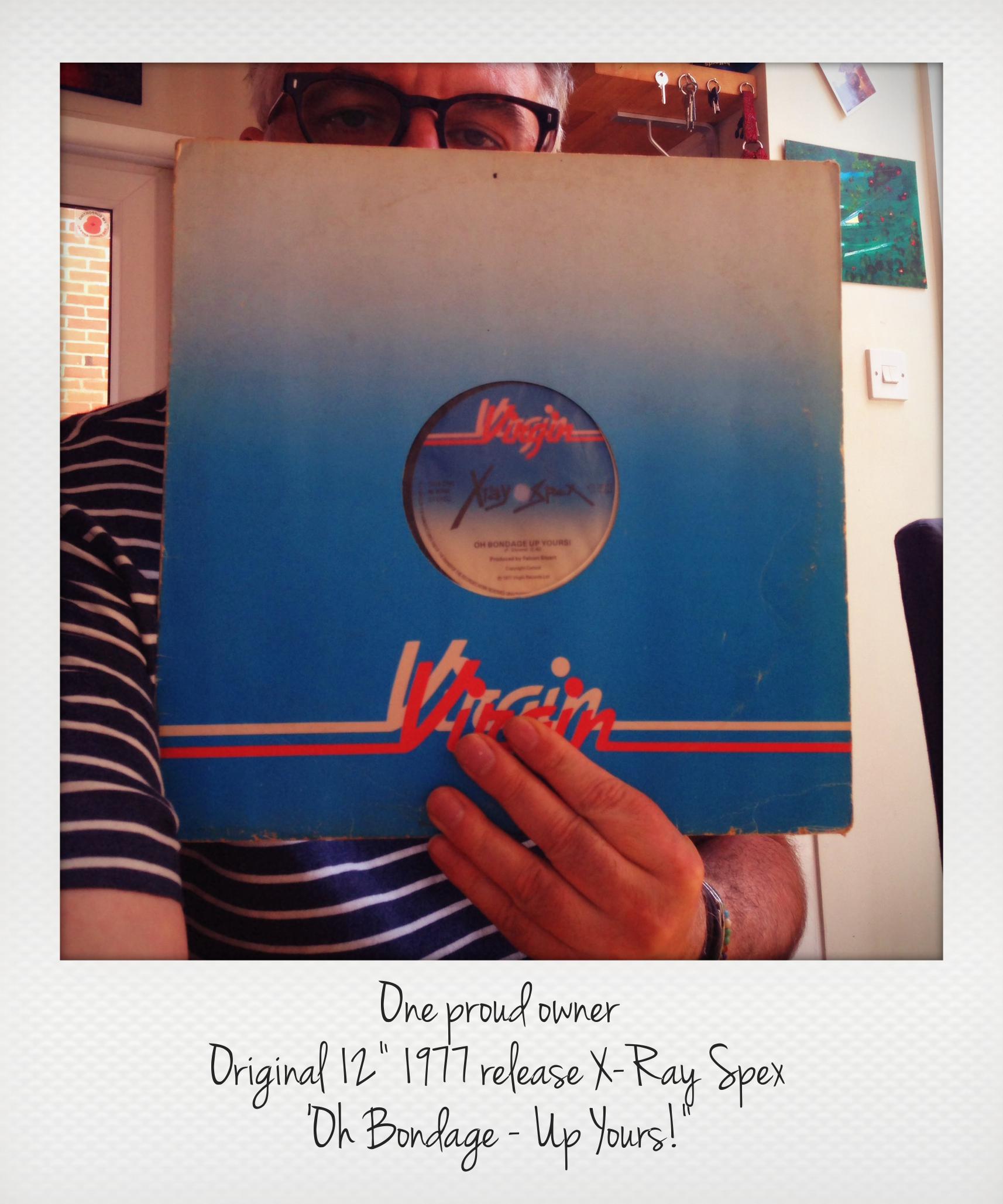
Released in 1977 “Oh bondage up yours” was the debut single by X-Ray Spex.  Polly Styrene was the bands’ lead singer and main songwriter who described the song, “as a call for liberation. It was saying: ‘Bondage—forget it! I’m not going to be bound by the laws of consumerism or bound by my own senses.’ It has that line in it: ‘Chain smoke, chain gang, I consume you all’: you are tied to these activities for someone else’s profit.” 

As I grow older and start to see the world more holistically I can often look back at key moments when a stake was placed in the shifting sands of my life. These stakes are important because they create a focus point when somethings clicked. When I get a cold chill after being exposed to yet another pile of misogynist crap by a retarded hunk in plastic bling rubbing his small codpiece against a scantily dressed women. I can point back to buying the original 12″ vinyl version of “Oh bondage up yours” in 1977.

Every cause has a counter effect and what had been achieved in the 1970s was to be challenged throughout the 1980s free for all and sod thy neighbour attitude. Samantha Fox’s was 16 years old when her mother submitted several photographs of her daughter in lingerie to a Sunday tabloid newspaper competition (Girl of the Year amateur modelling contest). By the 198os Samantha Fox was a popular topless glamour model in a daily tabloid. In 1986 Fox choose to take up a new career as a pop star. Her first release was the tacky ‘Touch Me (I Want Your Body)’ that reached No. 1 in seventeen different countries. She went on to sell more than 30 million albums and co-wrote the song “Dreams” for girl group All Saints’s 2000 album, Saints & Sinners. Although she was credited as “Karen Wilkin” because the group refused to record the song if Fox’s real name was used. In 1984 Sheena Eastern had a hit with a Prince written song ‘Sugar Walls’ a pseudonym for Eastern’s vagina.  By the close of the 80s Cher was to be seen cavorting around a battleship in a fishnet body stocking rattling out the hideous ‘If I could turn back time.’  Amongst this drivel there were occasional rays of sunshine from the likes of Chrissie Hynde (The Pretenders) and the Sugarcubes whose lead singer Bjork was to became one of the most original and innovative female recording artists of all time.

2778_Bjork_photo_1

Thank god for Bjork

As with most cases in life, it is not those at the vanguard who reap the rewards of their struggles. Kim Gordon (Sonic Youth), Courtney Love (Hole), PJ Harvey, Riot Grrrl, Sleater-Kinney, Grace Jones, Beth Ditto (Gossip), Poison Ivy Rorschach (The Cramps) and the stunning Skin (Skunk Anansie) were to find their journeys just that little bit more easier because of the women who had gone before. In turn, this made for a more creative and fertile music scene for the rest of us to enjoy. It would of be interesting to hear the views of these female artists regarding female artists in the mainstream pop world today. I can only guess that for many it will be a case of raised eyebrows and recognition that syrup manufactured girl pop groups will always have a place.

I struggle to envisage many will sign up to the ‘girl power’ of the Spice Girls call to arms, “I wanna, I wanna, I wanna, I wanna, I wanna really really really wanna zigazig ha.”  In truth, their struggle and achievements will seldom be recognised in the mainstream, because the mainstream needs to be controlled and manipulated from above. The advent of technologies has in many ways released the creative artist to pursue their particular path, but success on a scale that will enable economic independence remains a long way off for many female artists.  As a father of 3 daughters, it is with great relief that when foraging around Bandcamp I have discovered such an amazing range of female artists who are producing some truly magnificent material. To name a few:

xray


Today I Stumbled Upon: Clearance

There are many mysteries in this world that continue to perplex, puzzle and confound scholars and intellectuals alike. What influenced the 71 year old Harrison Ford to suddenly pierce his left ear? The ever eccentric Mr T from the 1980s trash TV show The A Team simply begs the question why? And If there is a god, why did she/he take the legendary Curtis Mayfield from us at such an early age? Into the void of the great unknown these questions must remain. But one fact is undisputed Ford, Mr T and Mayfield all originate from Chicago, Illinois, USA.  And it’s here in the great windy city where I come across the magnificent Clearance who have just released their third offering on Bandcamp “Carte Blanche” plus one .

Harvest for the world

Good things come out of Chicago

In 1833, the Town of Chicago had a population of around 200. Today it is the 3rd most populous city in the United States with 2.7 million residents. It is also home to the annual Lollapalooza and PitchFork music festivals. The city has a vibrant and creative cocktail of rock, punk, soul, jazz, hiphop, house and rave music all pitching for their adoring audiences.

In the midst of Chicago’s musical tapestry Clearance find themselves in this vast scene that is broadly described as rock. Clearance are in the space of garage and  LoFi band land, which has given us The Stooges, Danny Adler, The Fall, The Jesus and Mary Chain, Sonic Youth to but  name a few. Its a hard place to work and achieve stardom from given today’s X-Factor route to riches would be counterintuitive to the art form.

I have a live Sex Pistols bootleg from 1977 and as the drums kick-in to the Pistols version of the Stooges No Fun Johnny Rotten mutters to the audience, “I bet you thought I came here to entertain you rather than you entertain me.”  A classic chicken and egg metaphor, but one that sums up those bands who decide to follow a path of integrity and credibility to themselves. Musically it is this space that I personally find Clearance. Originally from Ann Arbor, Michigan a city renowned for its progressive politics the founding members of Clearance Mike Bellis and Arthur Velez relocated to Chicago and have since released two 7″ EP’s Dixie Motel Two-Step (April 2013) and Greensleeve (January 2014) on their own Microluxe imprint.

On the 29th March 2014 the band released their 3rd Bandcamp offering “Carte Blanche’ plus one

The sign of a great band lies in their ability to evolve and expand their musical horizons with each new release. Based on the evidence to date Clearance are an embodiment of this notion. There are plenty of bands around who are more than capable of churning out medico material and with the help of a few production twitches and the ad man’s expertise quickly find their faces on anxiety ridden teenage T-shirts. With Clearance you get a real sense of a hard working band seeking to secure appreciation for their art form through a dedication to maintaining independent integrity. This of course is admirable and is worth the ticket price alone, but in reality this means little if the material is not consistent in quality.

Clearance seem to have any ability to toss out brilliant, catchy and intelligent songs. This all bolds well for the future given the solid platform they are building for themselves. The songs are built around clever lyrical structures and offset by guitar textures. Their songs can initially deceive the listener, but lurking beneath a few listens is a revealing depth and intelligence.

Carte Blanche plus one (March 2014)

I’ve listened to Carte Blanche on repeat loop and its one of them songs that never seems to get stale. Looking through the eye of life via a narrative of a road trip the track bounces about gleefully with amazing drum work underscoring the building guitar textures and the eloquent lyrics,  “Darling don’t you dwell upon the exit sign and know that time is going to wound the heals.” The second track is a blend of Misdirection Prize/TV Exhaust is my personal favourite of this release and a supreme piece of work. The fade out and fade into TV Exhaust is at first a little baffling, but ends up providing a rye smile.

I managed to catch up with Mike Bellis from Clearance for a few Old Man questions about the new material:

JK:  What you guys up to at the moment?
MBLaundry, and continuing to waste our money on padding our record collections.
JK: The feel, sound and production on these two tracks demonstrate another step up. How do they feel to you and what feed back have you had?
MB: They feel fine to us – like the last two records they were also recorded in a basement, though this time it was in a different one. We had the luxury of using our friend’s tape machine this time, which always makes things sound better.
JKWhen were the tracks written and what were the main influences at the time?
MB: The tracks were written in January, and when we weren’t listening to friends bands it was probably just the Velvet Underground in ’69 or Danny Kirwan-era Fleetwood Mac. Maybe some Faust too.
JK: Will we get to see a full album release soon?
MB: Yes, eventually.
JK: Any live gigs planned? (UK maybe)?
MB: Only stateside so far, but if we can find anyone willing to pony up the change to send us across the pond we’d be delighted to meet the Queen’s acquaintance.
JK: What are you guys listening to at the moment?
MB: Older stuff mostly- Beefheart, Minutemen, Teenage Fanclub, glam-era Eno, Faust, John Cale (“Fear”), kosmische stuff. But also newer bands like Parquet Courts, Protomartyr, and The Courtneys.
JK: I hear you have a soft spot for Mark E Smith and The Fall?
MB: Who doesn’t?

Back to the Future

Clearance’s back catalogue is also available from Bandcamp – you will do music and the world a favour by purchasing them immediately.

Greensleeve 

Full of amazing hooks and skewed observations this glorious 5 track EP is a little gem. Lo-fi maybe, but high quality throughout. My stand out track: Face the Frontier. 

Dixie Motel Two – Step 

The opening track Walking Papers is simply a classic and would not have gone a miss on an early Sonic Youth album. The EP is again full of hooks and heart warming riffs. In many ways the LoFi production of this early material make it so good.

I demand an LP and I want it now!